

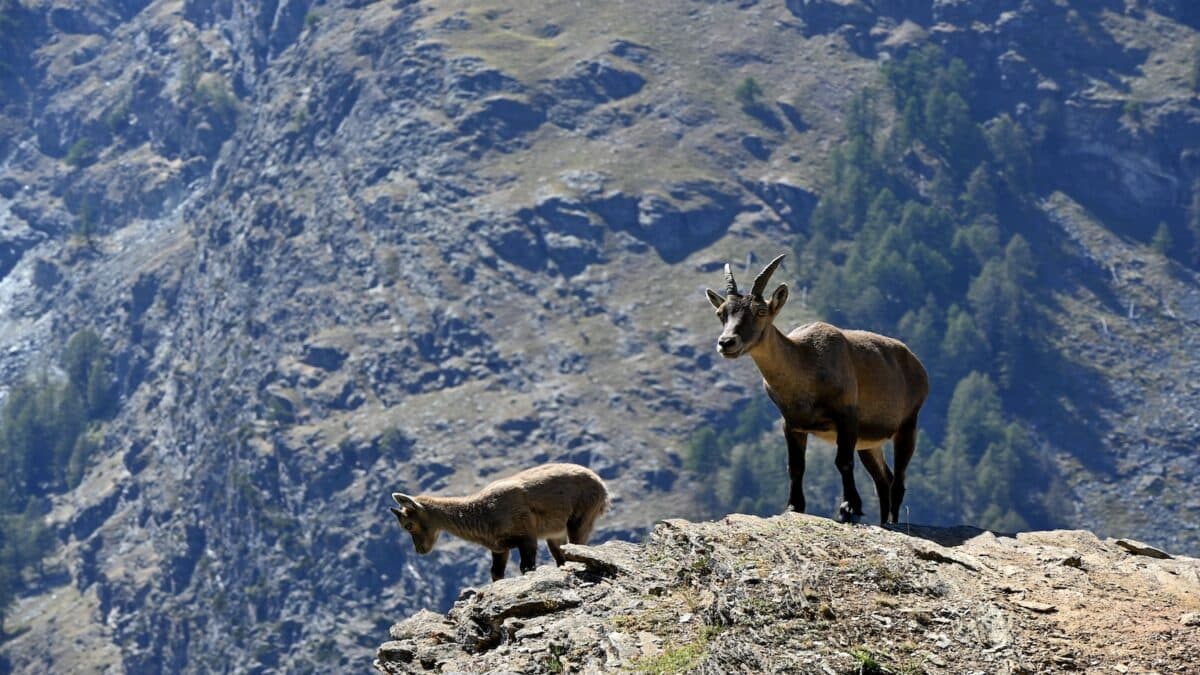
It might sound like an old camping myth, but there’s actually a very good reason.
If you’re hiking through mountain goat country in places like Glacier National Park, Olympic National Park, or other alpine areas in the western United States, rangers may encourage you to avoid urinating directly on or near trails.
The reason?
Mountain goats absolutely love salt.
And unfortunately for hikers, human urine is full of it.

Why Are Mountain Goats So Obsessed With Human Urine?
Mountain goats spend most of their lives high above the tree line, where food is plentiful during summer but natural salt deposits are surprisingly scarce.
Like all mammals, goats need sodium and other minerals to maintain healthy muscles, nerves, and body functions. In many mountain environments, finding those minerals means traveling long distances to natural mineral licks.
But humans have accidentally created an easier option.
Our sweat, backpacks, hiking poles, boots—and yes, urine—all contain salt that mountain goats crave. Over time, goats living near popular hiking trails have learned that people are an excellent source of the minerals they need.
The Problem With Peeing On The Trail
When hikers relieve themselves directly beside trails or campsites, goats often return to those exact locations to lick the ground and dig for the remaining salts.
Park biologists have documented goats:
- Pawing at soil where people have urinated.
- Licking rocks and vegetation soaked with urine.
- Chewing sweaty clothing and backpack straps.
- Following hikers in hopes they’ll stop for a bathroom break.
While it might sound amusing, these behaviors can become dangerous.
Habituated Goats Can Become Aggressive
As goats become accustomed to finding salt around people, they also become more comfortable approaching humans.
Researchers at Glacier National Park have found that some habituated goats not only seek salt from people but may also use crowds of visitors as protection from predators. Instead of making quick trips to natural mineral licks, they linger around busy overlooks and trails where humans are constantly providing salty rewards.
That loss of fear can lead to close encounters.
In 2010, a mountain goat in Olympic National Park fatally gored a hiker after following him along a trail. The animal had a long history of seeking salt from humans and displaying increasingly aggressive behavior before the attack.
Incidents like that are rare, but they’re a reminder that mountain goats are large, wild animals capable of causing serious injury.
What Rangers Recommend Instead
If nature calls while you’re hiking in mountain goat habitat, park officials generally recommend:
- Move well away from the trail before relieving yourself.
- Choose an area away from places where goats are likely to gather.
- If possible, urinate on rocks rather than vegetation or soil, which makes it harder for goats to access the salts.
- Never encourage wildlife by allowing goats to lick your skin, clothing, or gear.
- Keep at least 50 yards (45 meters) between yourself and mountain goats whenever possible.
It’s Not Just Urine
Mountain goats are attracted to just about anything salty.
That’s why hikers sometimes find goats sniffing around campsites, licking trekking pole handles, chewing backpack straps, or even licking the sweat off someone’s arm.
Earlier this year, visitors at Olympic National Park captured video of a mountain goat calmly licking the salt from a hiker’s arm—a reminder of just how powerful this instinct can be.
The Bottom Line
The next time you’re hiking above the tree line and a ranger tells you not to pee on the ground, they’re not trying to make your life difficult.
They’re trying to protect both you and the wildlife.
A little extra effort to move away from the trail can help prevent mountain goats from becoming conditioned to humans, reduce dangerous encounters, and keep these incredible alpine animals behaving like truly wild goats—not hikers’ four-legged salt seekers.