

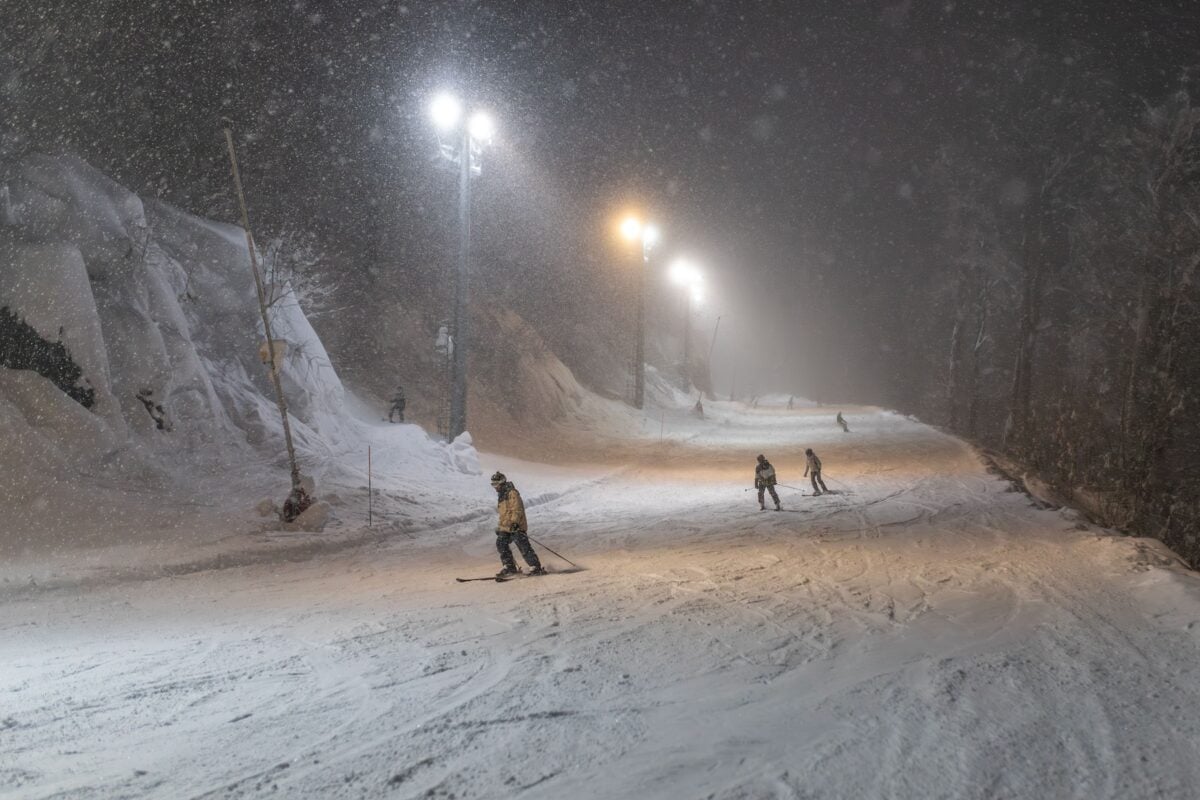
A major change could be coming to winter in America. For ski enthusiasts, the idea of Daylight Saving Skiing could soon become a reality, altering how we enjoy the slopes.
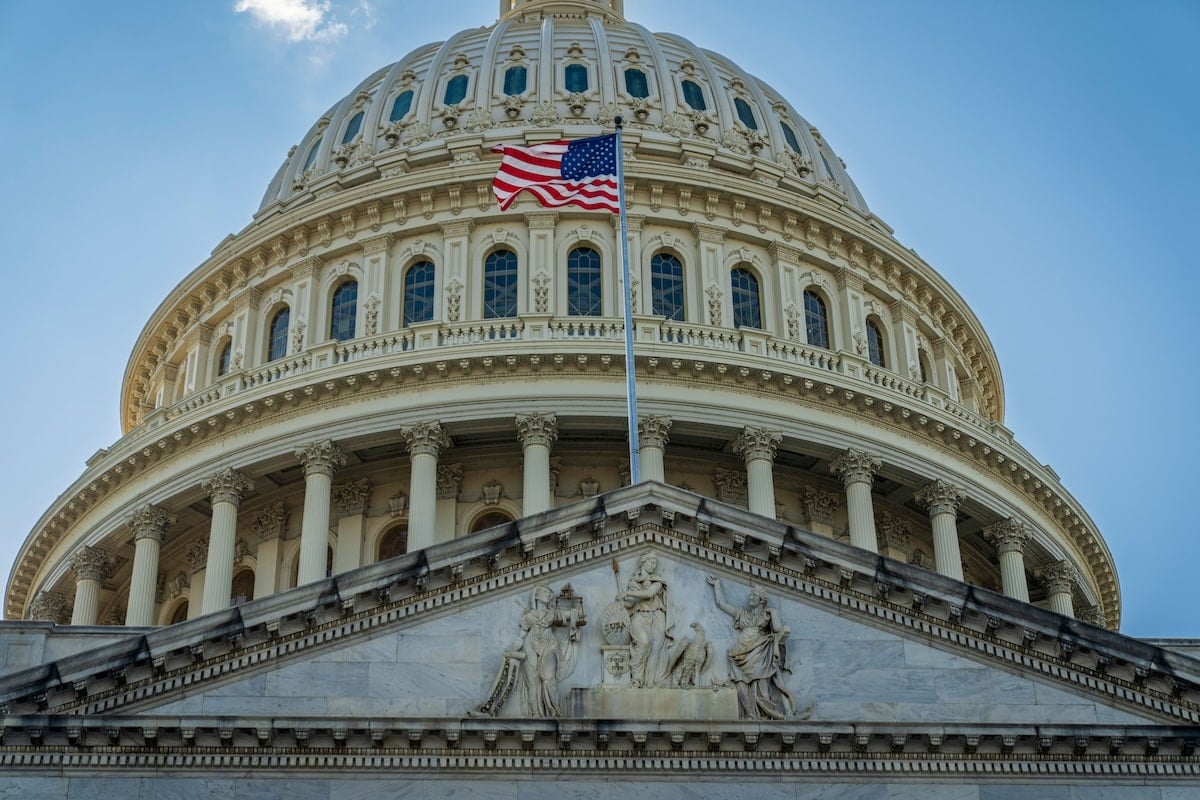
On Tuesday, the U.S. House of Representatives passed the Sunshine Protection Act, a bill that would make Daylight Saving Time permanent nationwide. Instead of “falling back” every November, Americans would stay on Daylight Saving Time year-round—if the Senate approves the legislation and it’s signed into law. The bill passed the House by a bipartisan 308-117 vote and now heads to the Senate, where its future remains uncertain.
While much of the debate has focused on sleep schedules and darker winter mornings, there’s another industry that could see a noticeable impact:
Ski resorts.
More Daylight Means More Time on the Mountain
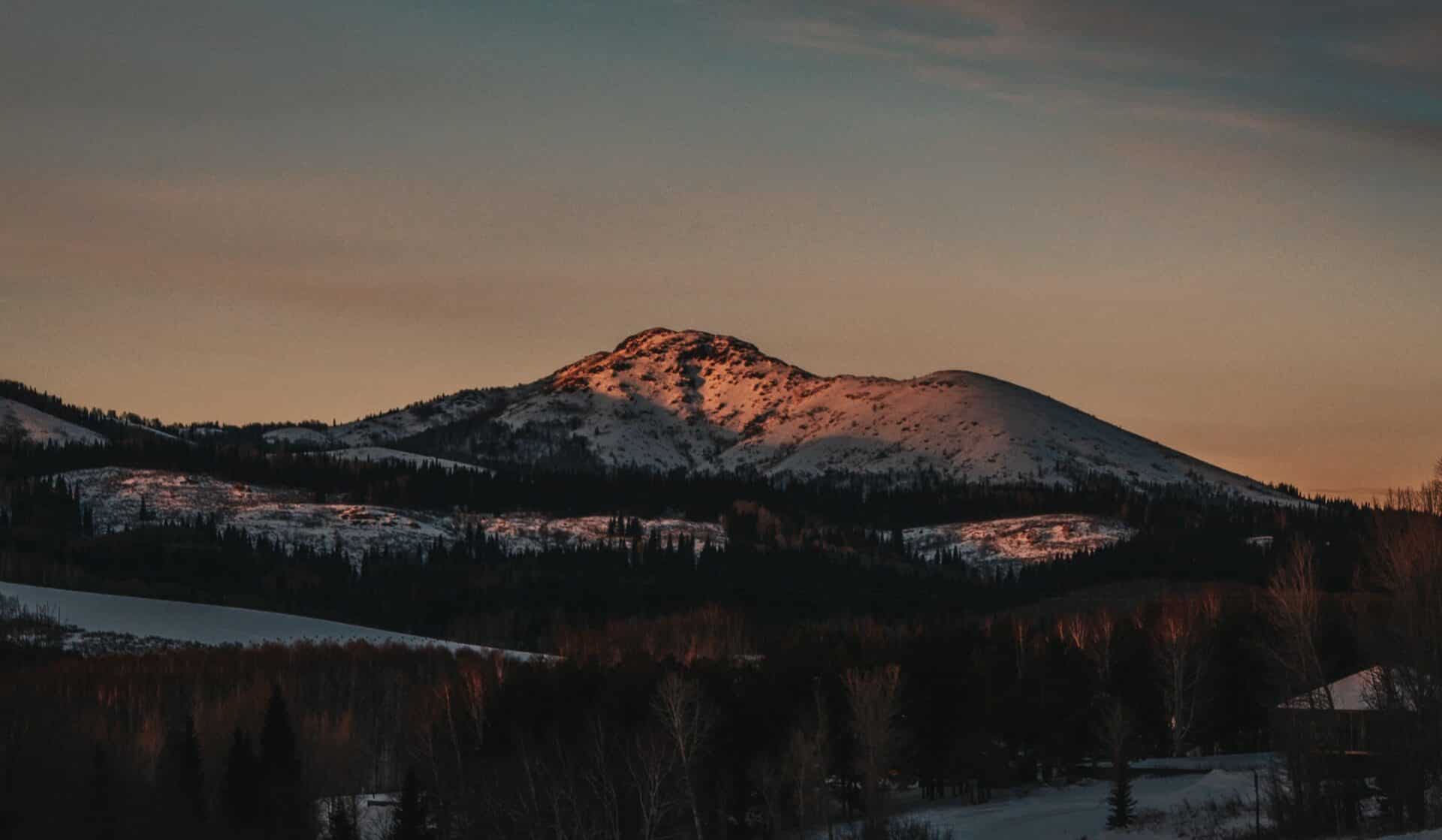
For most North American ski resorts, one of the biggest limitations during the heart of winter isn’t snow—it’s daylight.
By late December, many ski areas stop spinning lifts around 4:00 p.m., not because guests are finished skiing, but because daylight is disappearing.
If permanent Daylight Saving Time becomes law, sunset would occur roughly one hour later throughout the winter.
That means many resorts could potentially:
- Extend lift operations by 30-60 minutes
- Offer more beginner lessons after school
- Increase late-afternoon ticket sales
- Spread crowds over a longer ski day
- Give visitors more daylight for scenic chairlift rides
For destination resorts, even an extra hour of daylight could encourage guests to squeeze in “just one more run.”
Night Skiing Could Become Even Better
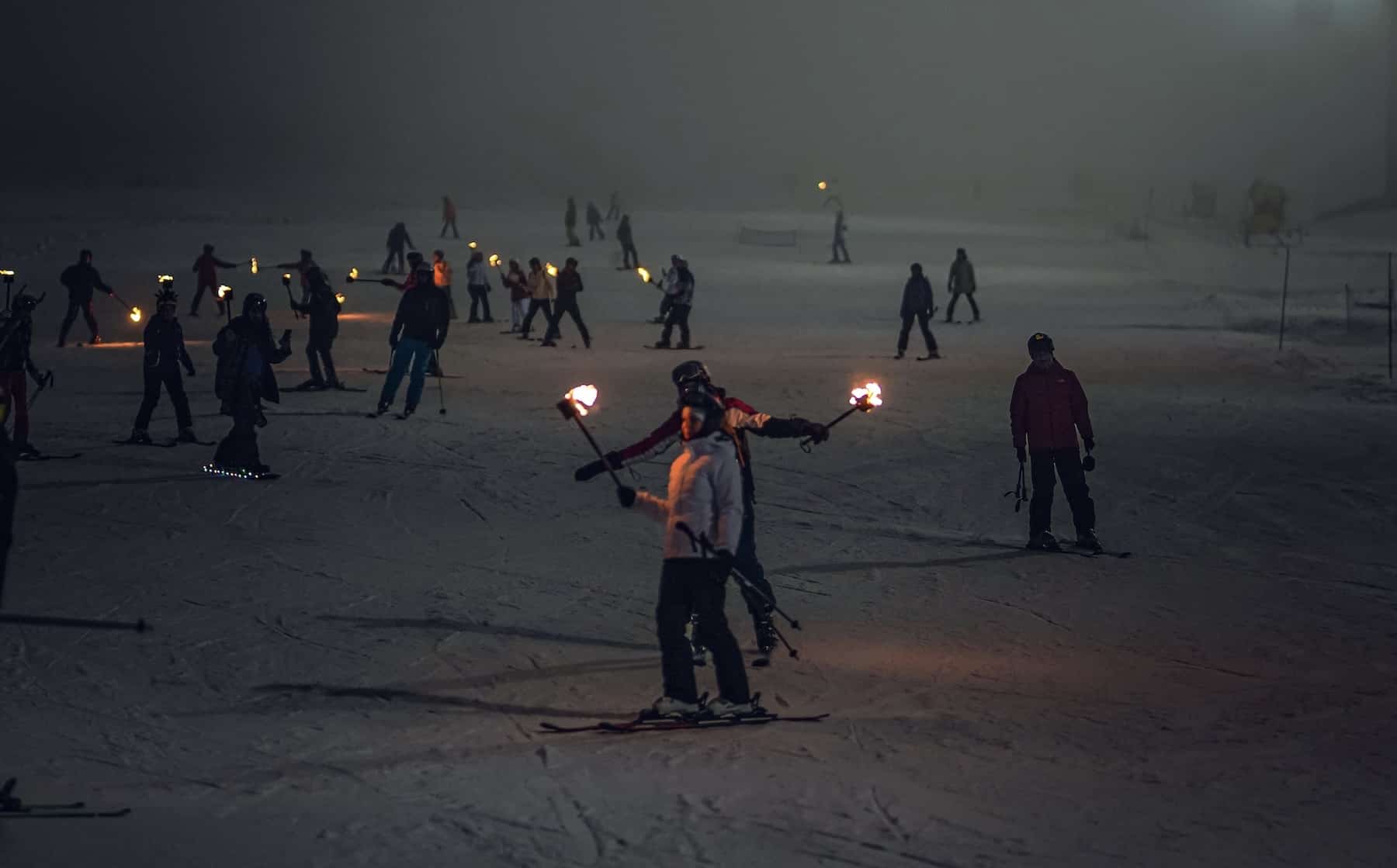
Resorts that already offer night skiing—such as Brighton, Keystone, Boreal, Mt. Hood Skibowl, and many East Coast mountains—might benefit in a different way.
Instead of beginning under complete darkness, the first hour of night skiing would start during twilight, making the transition smoother and potentially attracting more families and casual skiers.
It also creates better conditions for:
- Terrain parks
- Ski races
- Evening events
- Learn-to-ski programs
Après-Ski Could Get a Major Boost
Ask almost any ski town business owner what keeps visitors around after the lifts stop.
It’s daylight.
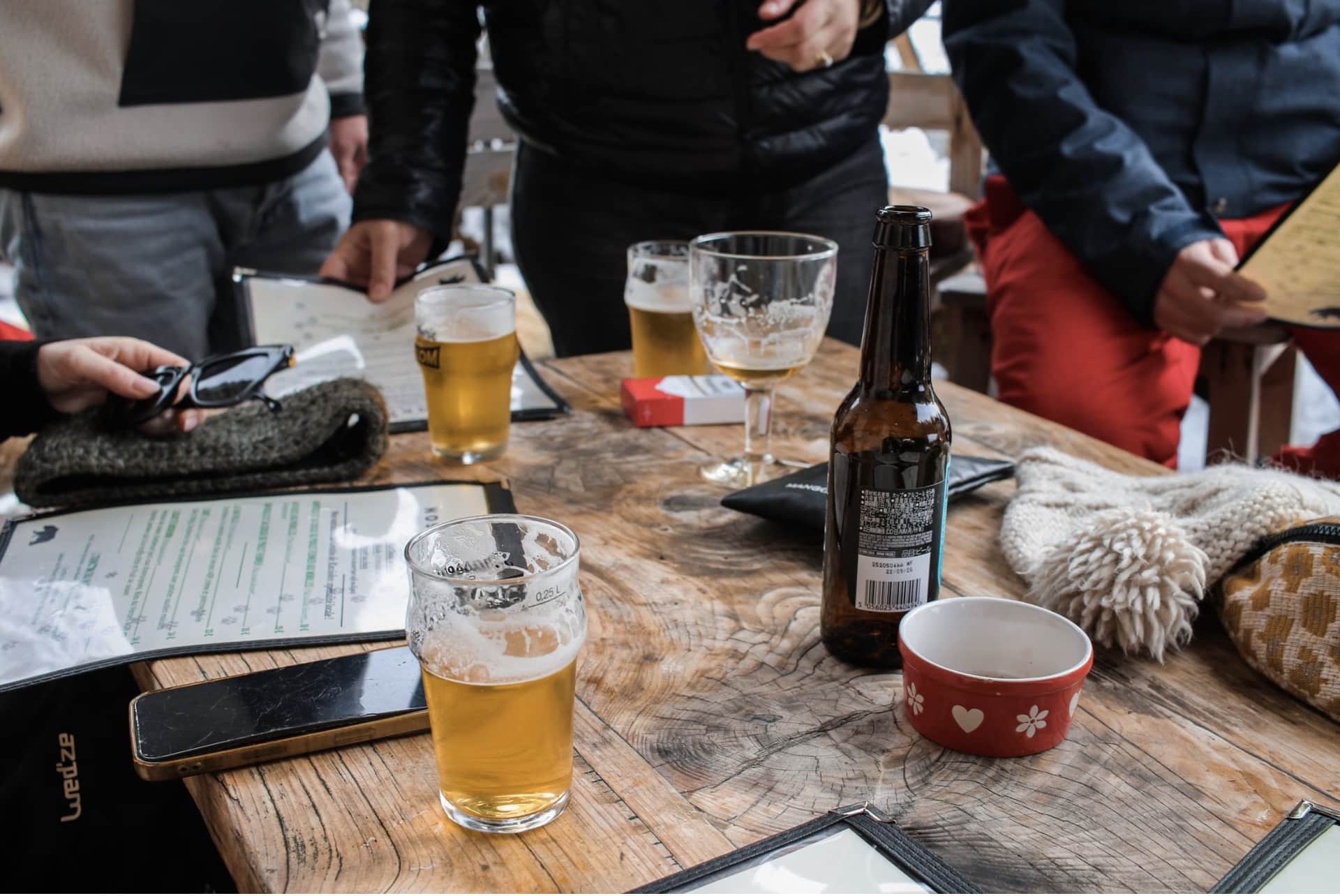
Restaurants, breweries, patios, shopping districts, and village events generally perform better when people aren’t immediately heading indoors after sunset.
Visitors may linger longer outdoors, browse shops, or enjoy après-ski before dinner instead of heading straight back to their lodging.
The Downside: Darker Winter Mornings
The biggest criticism of permanent Daylight Saving Time is exactly what ski resorts would also notice:
The sun would rise later.
In many mountain towns, sunrise during midwinter could occur after 8:00 a.m., and in some northern locations even closer to 9:00 a.m.
That creates challenges for:
- Ski school drop-offs
- Morning commuters driving icy mountain roads
- Resort employees traveling before dawn
- Avalanche control teams that begin work well before lifts open
Many ski patrollers, snowcat operators, and lift mechanics already start work in darkness. Permanent Daylight Saving Time would extend that period during the winter months.
Would Resorts Change Their Hours?
Not necessarily.
Most resorts base operating hours on available daylight, staffing, grooming schedules, and guest demand.
However, if sunset shifts an hour later, many mountains could decide it’s worthwhile to:
- Keep lifts running until 4:30 or 5:00 p.m.
- Expand twilight lift tickets
- Offer later ski school sessions
- Add more afternoon events
- Increase beginner terrain availability
For destination resorts competing for vacation dollars, another hour on the mountain is a compelling selling point.
A Better Experience for Vacationers
For travelers, the biggest benefit may simply be how a ski vacation feels.
Imagine finishing your last run at 4:30 p.m. and still having daylight to:
- Walk through the village
- Grab après-ski on an outdoor patio
- Take family photos
- Ride a scenic gondola
- Watch the mountains glow during alpenglow
That extra hour of natural light can make a ski day feel significantly longer without changing the amount of time guests spend on the slopes.
It’s Not Law Yet
Despite Tuesday’s overwhelming House vote, permanent Daylight Saving Time has not become law.
The bill must still:
- Pass the U.S. Senate
- Be signed by the President
Previous versions of similar legislation have stalled in the Senate, so it’s far from guaranteed.
The Bottom Line
Whether you’re a skier, snowboarder, resort operator, or simply someone who enjoys winter afternoons outside, permanent Daylight Saving Time could noticeably change the ski experience.
Longer daylight after the lifts start spinning could mean:
- More skiing
- More après-ski
- More business for mountain towns
- Better family experiences
- More flexibility for afternoon visitors
Of course, those benefits would come with the tradeoff of much darker winter mornings—a compromise that continues to divide lawmakers, sleep experts, and the public.
If Congress ultimately decides to “lock the clock,” America’s ski resorts may end up among the biggest winners.