

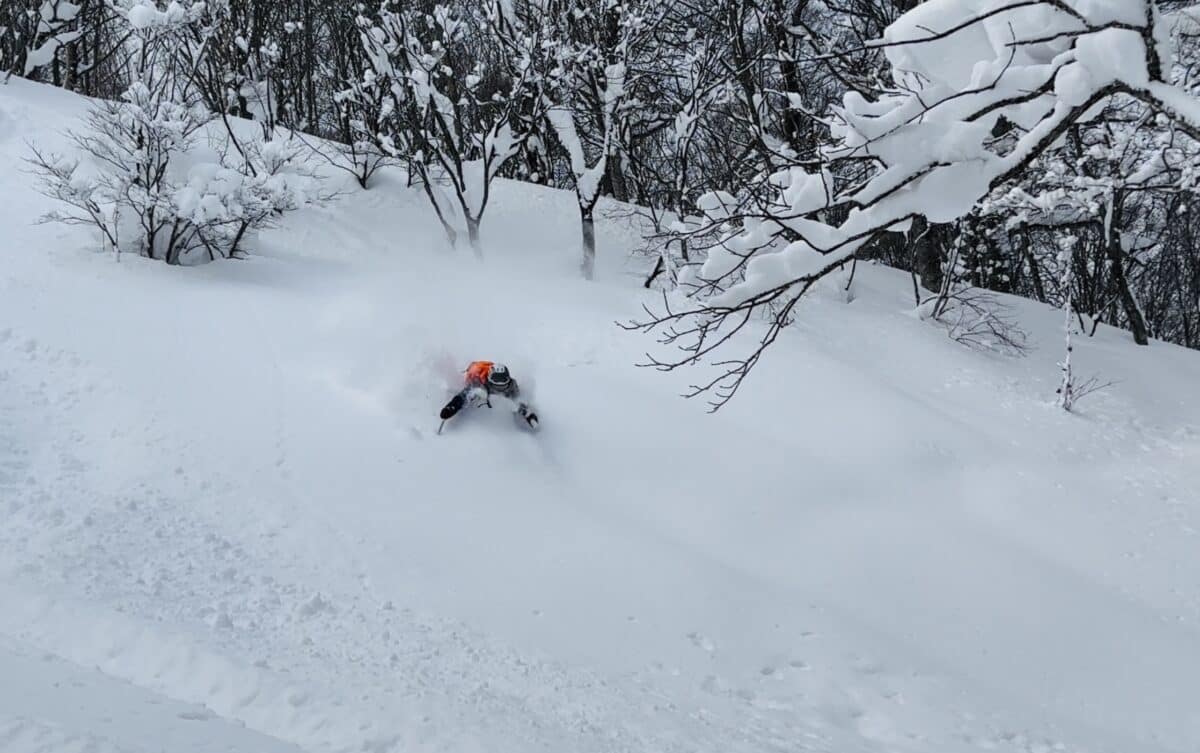
Meteorologists are increasingly confident that a powerful El Niño will shape the upcoming winter—and if history repeats itself, several ski resorts across western North America could be in line for exceptional snowfall.
No one can predict exactly how much snow will fall at any one mountain months in advance, but seasonal climate patterns can provide important clues. And right now, one signal is standing out above the rest: El Niño is expected to be one of the strongest in decades.
Historically, winters dominated by a strong El Niño shift the Pacific jet stream farther south, funneling storm after storm into California, Utah, southern Colorado, Arizona, and parts of the Southwest. The result can be massive snow totals, deep Sierra snowpack, and some of the best powder skiing of the decade.
If this year’s pattern develops as expected, these seven resorts appear especially well positioned.
Related: El Niño Is Here To Stay: Here’s What It Means For The Ski Season Ahead
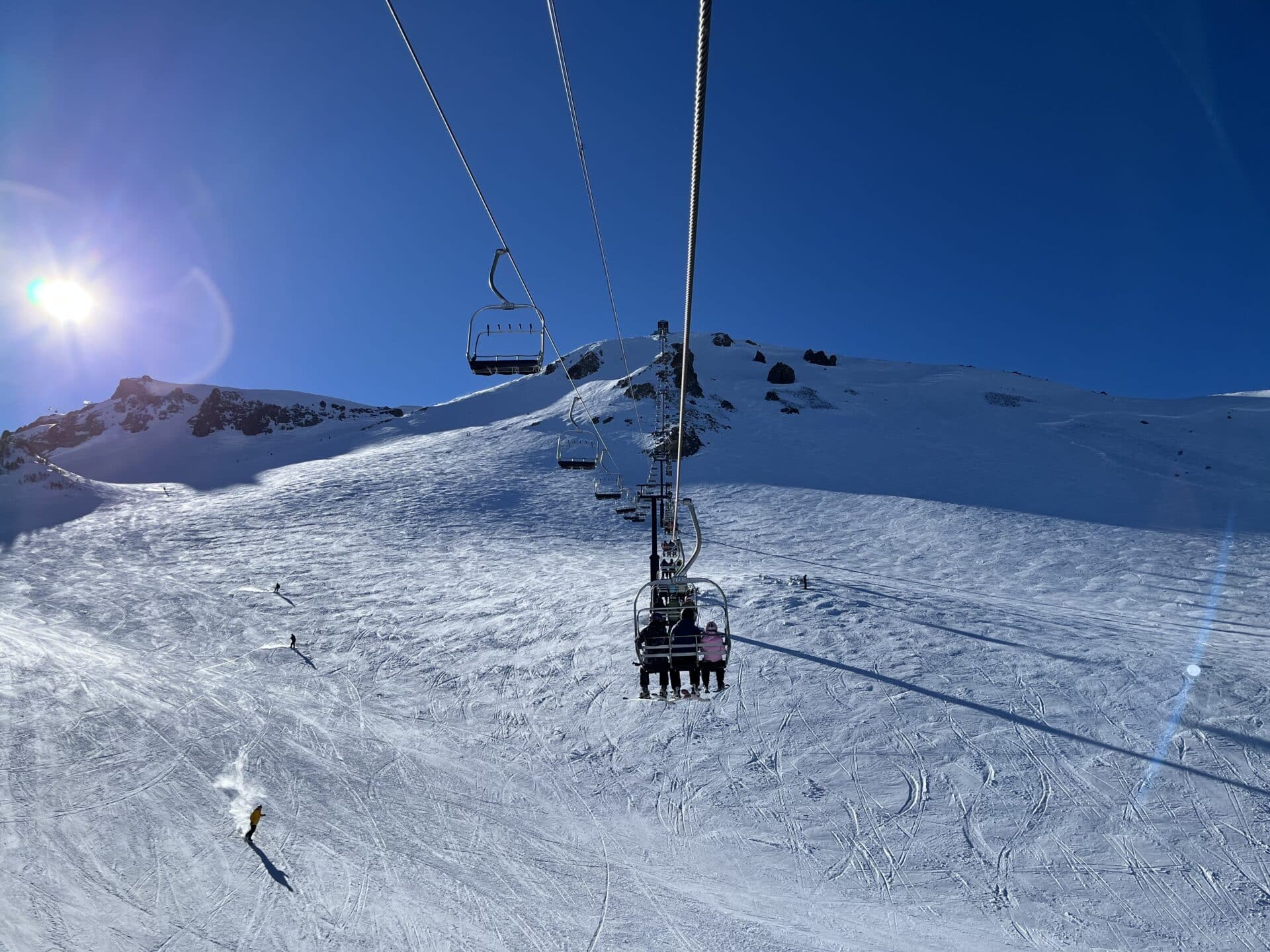
1. Mammoth Mountain, California
If there’s one resort powder chasers will be watching closely this winter, it’s Mammoth.
Strong El Niño winters have a long history of producing monster Sierra snowstorms, and Mammoth’s high elevation allows it to capitalize on nearly every Pacific storm. Atmospheric rivers that bring flooding rain to lower elevations often translate into multiple feet of snow on Mammoth’s upper mountain.
It’s no coincidence that many of Mammoth’s biggest winters have occurred during active El Niño seasons.
Average annual snowfall: 400+ inches
2. Palisades Tahoe, California
Few mountains are built to take advantage of a stormy Pacific winter like Palisades Tahoe.
When California enters an active storm cycle, Palisades regularly posts some of the largest snowfall totals anywhere in North America. Consecutive atmospheric rivers can bury KT-22 and the resort’s legendary terrain under several feet of fresh snow in just a matter of days.
If forecasts verify, Palisades could once again become one of the snowiest ski areas on the continent.

3. Alta Ski Area, Utah
Alta hardly needs an introduction among powder skiers.
Already famous for averaging more than 500 inches of Utah’s famously light snow each season, Alta often thrives when Pacific moisture combines with cold Wasatch temperatures.
While Utah isn’t as consistently favored as California during every El Niño, Little Cottonwood Canyon has a habit of making the most of active storm tracks.
Average snowfall: 550+ inches
4. Snowbird, Utah
Just down the road from Alta, Snowbird shares many of the same advantages.
Steep terrain, high elevation, and exceptional snow retention make it one of North America’s premier powder destinations. If Pacific storms line up this winter, Snowbird could once again spend much of the season measuring snowfall in feet instead of inches.

5. Wolf Creek, Colorado
Colorado’s snowiest ski area could become even snowier.
Wolf Creek averages around 430 inches of snowfall annually, and strong El Niño winters often steer moisture into southern Colorado more effectively than La Niña years.
Locals know that when storms favor the San Juan Mountains, Wolf Creek is often the first resort reporting waist-deep powder.
6. Arizona Snowbowl, Arizona
Arizona probably isn’t the first place that comes to mind when people think about powder skiing—but maybe it should be this winter.
One of the hallmarks of strong El Niño events is increased winter precipitation across the Southwest. At over 11,000 feet, Snowbowl sits high enough to convert many of those storms into impressive snowfall.
If the forecast holds, Snowbowl could quietly enjoy one of its best seasons in years.

7. Revelstoke Mountain Resort, British Columbia
British Columbia doesn’t always see the biggest boost from El Niño, but Revelstoke rarely disappoints.
With enormous vertical, a favorable location, and consistently deep snow, Revelstoke remains one of the safest bets for outstanding skiing almost every winter.
Even if storm tracks wobble north at times, Revelstoke is well positioned to cash in.
Not Every Resort Benefits From El Niño
A stronger El Niño doesn’t automatically mean a snowy winter everywhere.
Many lower-elevation ski areas in the Pacific Northwest, along with portions of New England, often see warmer-than-average conditions during strong El Niño years. That can translate into more rain events, higher snow levels, or fewer blockbuster storms.
Of course, seasonal forecasts describe broad atmospheric trends—not individual storms. A single nor’easter or Arctic outbreak can completely change the picture for any region.
The Bottom Line
It’s still only July, and plenty can change before the first chair spins. But the atmosphere is already sending one of its clearest signals.
If this strong El Niño develops as expected, California’s Sierra Nevada, Utah’s Wasatch Range, southern Colorado, and parts of the Southwest could become the epicenter of North America’s deepest powder this winter.
For skiers and snowboarders dreaming about face shots, bottomless tree runs, and powder mornings, this is one forecast worth watching.