

A potentially record setting El Niño is expected to shape weather patterns across North America this winter, giving some ski states a much better chance at a deep snowpack while making conditions more challenging for others. Seasonal outlooks cannot predict snowfall at individual resorts, but decades of research have established clear trends during strong El Niño winters.
According to the National Oceanic and Atmospheric Administration, the developing El Niño is expected to become one of the strongest on record. During these events, warmer than average sea surface temperatures in the tropical Pacific shift the jet stream across North America. That shift often brings wetter conditions to the southern United States while much of the northern tier experiences warmer than average temperatures.
Here are the states that stand to gain the most, along with those that could see the biggest drawbacks if the classic El Niño pattern develops.
States Most Likely To Benefit
California
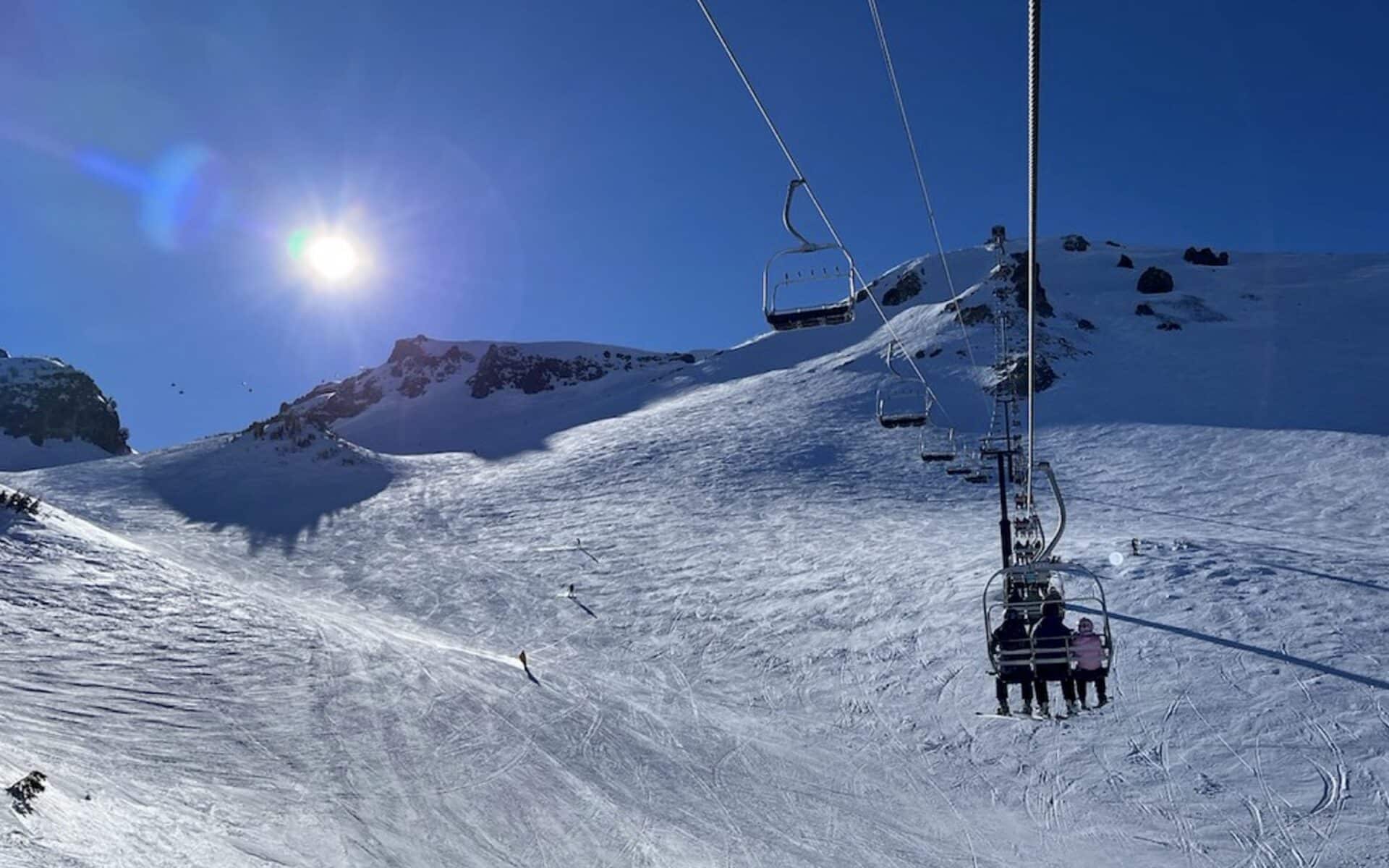
California is often the biggest winner during a strong El Niño. The southern jet stream frequently directs more Pacific storms into the Sierra Nevada, increasing the odds for above average snowfall and an impressive snowpack. While no winter is guaranteed, historical patterns consistently place California among the strongest beneficiaries of major El Niño events.
New Mexico
New Mexico typically enjoys much better odds during strong El Niño winters. Storm systems are more likely to track across the Southwest, bringing increased snowfall to mountains throughout the state. Resorts like Taos Ski Valley often benefit when this pattern develops.
Arizona
Arizona is another state that frequently sees improved snowfall during El Niño winters. Additional Pacific moisture can produce a more active storm cycle across the high country, giving Arizona Snowbowl and other mountain areas a better chance at building a solid base.
Southern Colorado

Colorado does not respond uniformly to El Niño. Southern Colorado usually benefits much more than the northern half of the state because storms are more likely to follow a southern track. Resorts like Wolf Creek have historically performed well during strong El Niño years.
Southern Utah
Southern Utah occasionally receives a boost from the same storm systems that benefit Arizona and New Mexico. The effect is generally weaker than farther south, but snowfall odds still improve compared to many northern mountain regions.
States Most Likely To Face Challenges
Washington
Washington often experiences one of the strongest negative responses during El Niño winters. The Pacific Northwest typically turns warmer than average, and fewer storms reach the Cascades. Lower elevation resorts are especially vulnerable because more precipitation falls as rain instead of snow.
Oregon
Oregon shares many of Washington’s challenges. Mount Hood resorts can still receive major storms, but the overall climate signal favors fewer snow producing systems and more frequent warm periods that reduce snow quality.
Idaho

Much of Idaho lies north of the preferred El Niño storm track. The result is often below average snowfall and warmer temperatures, particularly across the northern part of the state. Conditions can still vary dramatically from one storm cycle to the next, but the historical odds lean against Idaho during strong El Niño events.
Montana
Montana also tends to see warmer than average winters during major El Niño events. Resorts can certainly enjoy individual powder cycles, but the long term climate signal suggests reduced snowpack potential compared to neutral or La Niña winters.
Northern Colorado
Unlike the southern part of the state, northern Colorado often sits outside the most favorable El Niño storm track. Resorts around Steamboat, Winter Park, and Rocky Mountain National Park can still have excellent seasons, but the historical relationship is much weaker than in southern Colorado.
Northern Utah

Northern Utah occupies a transition zone between favorable and unfavorable El Niño influences. The Wasatch can still produce legendary snowfall because of lake effect enhancement and local terrain, but strong El Niño winters do not consistently favor northern Utah the way they do California or the Southwest.
Remember That Seasonal Outlooks Are About Odds
Seasonal climate outlooks are probability forecasts rather than snowfall predictions. A strong El Niño changes the likelihood of certain weather patterns, but it cannot determine exactly when storms will arrive or how much snow any resort will receive.
Some of the snowiest weeks on record have occurred during winters that did not fit the expected pattern. Likewise, a state favored by El Niño can still experience extended dry spells. Local weather systems, atmospheric rivers, and mountain terrain all continue to play a major role throughout the season.
Still, if history is any guide, California and much of the Southwest enter this winter with the best chance of seeing above average snowfall, while the Pacific Northwest and portions of the northern Rockies face the greatest risk of a disappointing season.
