


For decades Colorado’s moose have been treated as modern arrivals after state wildlife officials transplanted animals from Wyoming and Utah during the late 1970s. That history has fueled the widespread belief that moose are non native to the state and has even influenced discussions about wildlife management inside Rocky Mountain National Park.
A newly published study led by researchers from the University of Colorado Boulder argues that assumption is wrong.
According to the research team, multiple lines of historical, archaeological, and Indigenous evidence suggest moose have lived in Colorado and across the southern Rocky Mountains for centuries and likely much longer.
Looking Beyond The 1970s Reintroduction
Modern Colorado’s growing moose population traces back to translocation efforts that began nearly 50 years ago. Since then the animals have flourished across the high country, particularly inside Rocky Mountain National Park where their browsing has altered vegetation and sparked ongoing debates about ecosystem impacts.
Because today’s population originated from reintroduced animals, many people have labeled moose as outsiders to Colorado. Lead author William Taylor, an associate professor of anthropology at CU Boulder and curator of archaeology at the CU Museum, said the archaeological record tells a much different story.
His team examined museum collections, archaeological reports, historical newspapers, scientific journals, photographs, and historical records while also incorporating Indigenous knowledge from Tribal partners throughout the southern Rockies.
Rather than finding evidence that moose were absent before modern wildlife management, researchers uncovered repeated documentation showing the animals were part of Colorado landscapes long before the twentieth century.
Ancient Evidence Supports A Long History
One of the strongest pieces of evidence came from archaeological collections housed at the CU Museum.
Taylor revisited material excavated decades ago from the Jurgens archaeological site in northwestern Colorado where earlier researchers had already identified moose remains dating back thousands of years to the early Holocene.
The team also documented historical newspaper reports describing moose sightings dating back to Colorado’s earliest years of settlement. Researchers combined those records with museum specimens, archival photographs, and paleontological evidence to build what they describe as a consistent picture of long term moose occupancy in the southern Rockies.
Indigenous Knowledge Filled Critical Gaps
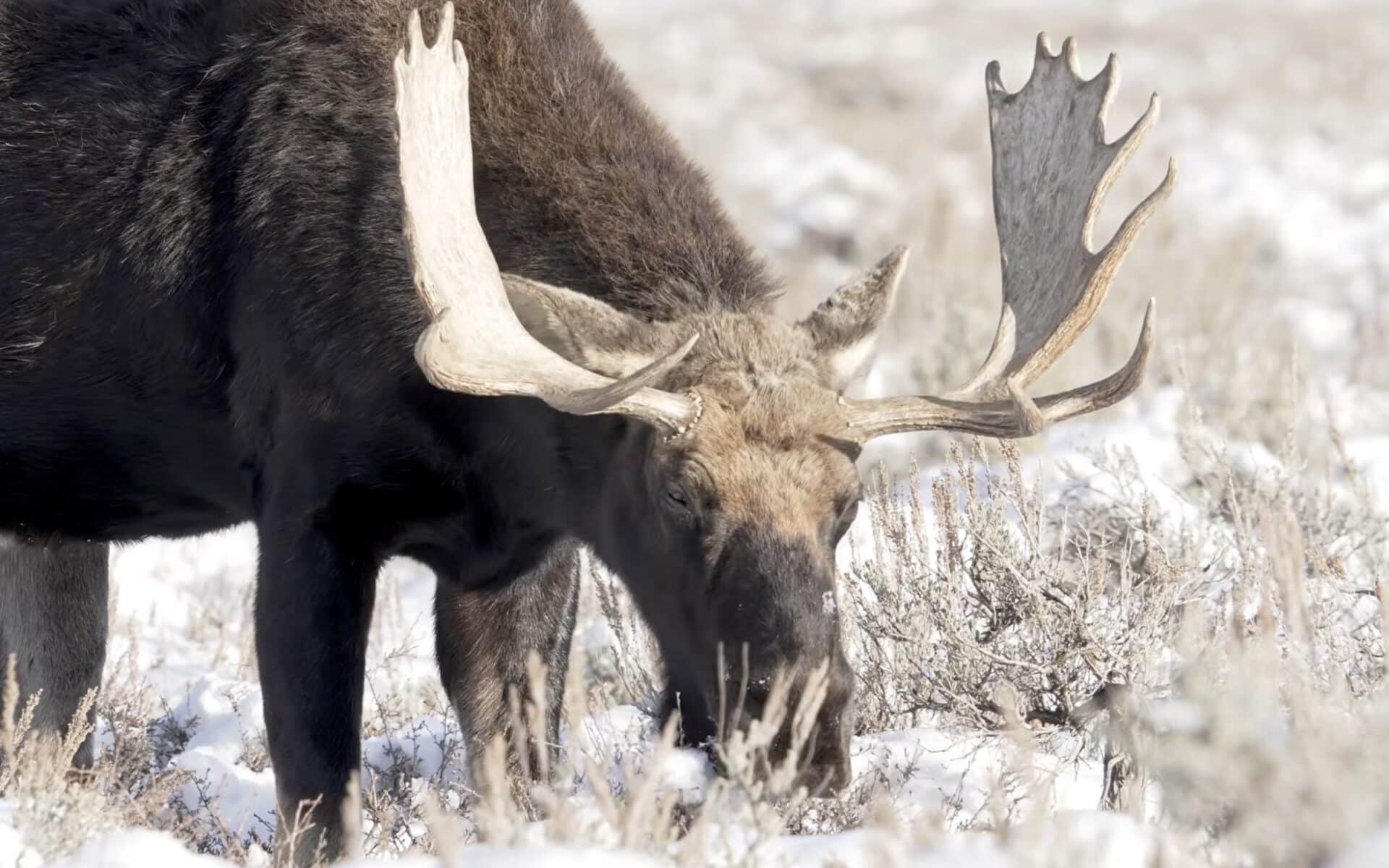
Researchers say one of the most important parts of the project involved working with Tribal cultural leaders and incorporating Indigenous histories alongside archaeological evidence.
Northern Arapaho Tribal Historic Preservation Officer Crystal C’Bearing explained that moose have long held cultural significance for her people and continue to be used in traditional clothing, regalia, and ceremonial items.
The study also references historical accounts from the Jicarilla Apache describing moose in northern New Mexico before disappearing from portions of the southern Rockies.
Researchers argue these oral histories reinforce physical evidence showing that moose were familiar to Indigenous communities across the region long before modern wildlife agencies moved animals into Colorado.
What The Findings Could Mean
The study does not suggest that managers should ignore the ecological impacts created by today’s expanding moose population. Instead the authors argue those impacts should be viewed through a broader historical lens.
They note that predators, hunting, and natural landscape changes once helped regulate large herbivores throughout the Rockies. Modern protected landscapes often lack many of those natural controls, meaning high moose numbers do not necessarily indicate the species is out of place.
Researchers believe recognizing moose as a historic part of Colorado ecosystems could influence future management decisions while encouraging greater collaboration with Tribal nations that have centuries of experience interacting with the species.
The team also says the same research approach could help answer similar questions about other wildlife species across North America by combining archaeology, historical records, and Indigenous knowledge to better understand how ecosystems have changed over time.