

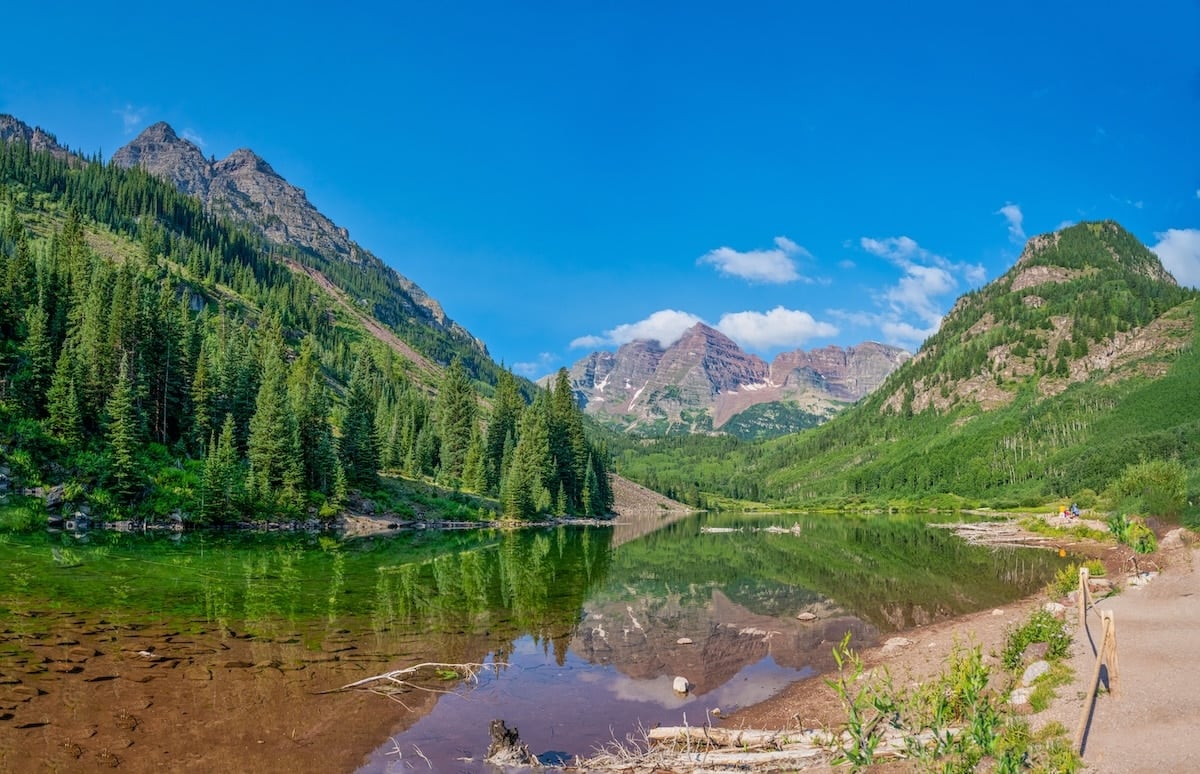
Think the coldest ski towns in America only shine in winter? Think again.
These legendary mountain destinations are famous for bone-chilling January mornings, deep powder, and world-class skiing. But once the snow melts, they transform into some of the most spectacular summer vacation spots in North America, offering wildflower-filled meadows, hiking, mountain biking, fly fishing, rafting, wildlife viewing, and crisp mountain air that feels like a welcome escape from the summer heat.
Here’s why some of America’s coldest ski towns deserve a spot on your summer travel bucket list.
RELATED: Winter Weather Forecast 2027: Snowfall Outlook For Next Winter
America’s Coldest Ski Towns
When discussing the coldest ski towns in America, we’re referring primarily to average January low temperatures, which are the coldest of the year. Data from long-term climate records shows that many of the coldest destinations are clustered in the northern Rockies, Colorado, and Alaska.
While base towns may experience average lows ranging from 4°F to 16°F, temperatures on the upper mountain can often run 10–25 degrees colder, especially during Arctic outbreaks. Add in mountain winds, and wind chills frequently plunge well below zero.
Ironically, those same high elevations and northern latitudes make these destinations wonderfully cool during July and August.
Big Sky, Montana
Average January Low: ~4°F
Big Sky earns its reputation every winter with consistently frigid temperatures and some of the best powder skiing in North America. The cold, dry climate helps preserve exceptional snow quality throughout the ski season.
Why Visit in Summer
Summer completely transforms Big Sky.
Located just an hour from Yellowstone National Park, visitors can spend mornings spotting bison, elk, bears, and wolves before returning to cool mountain evenings. Hiking trails wind through alpine meadows bursting with wildflowers, while mountain bikers enjoy miles of lift-served terrain.
Other popular activities include:
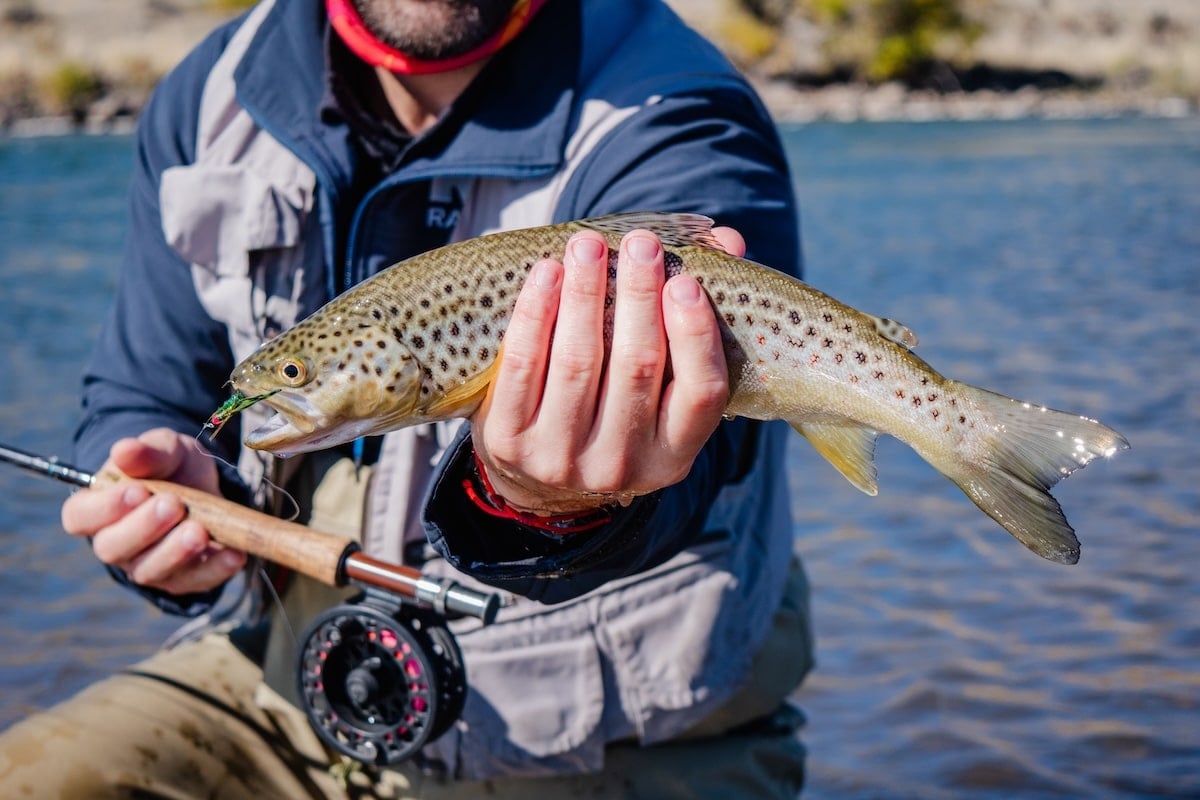
- Fly fishing on the Gallatin River
- Whitewater rafting
- Scenic chairlift rides
- Ziplining
- Wildlife photography
- Stargazing beneath exceptionally dark skies
Big Sky rarely experiences the oppressive heat found across much of the country, making it one of the best summer escapes in the West.

Jackson Hole, Wyoming
Average January Low: 5–6°F
Jackson Hole is synonymous with steep skiing, legendary powder, and dramatic Teton scenery.
Winter visitors know it for deep snow and challenging terrain, but summer may be equally impressive.
Why Visit in Summer
Grand Teton National Park sits just minutes away, while Yellowstone is only a short drive north.
Summer highlights include:
- Hiking beneath the Tetons
- Float trips on the Snake River
- Moose and bison viewing
- Scenic gondola rides
- Mountain biking
- World-class fly fishing
The historic town of Jackson also comes alive with outdoor concerts, farmers markets, western art galleries, and lively restaurants.

Aspen, Colorado
Average January Low: 7–10°F
Aspen has long been known for luxury skiing, four interconnected mountains, and glamorous après-ski.
Summer reveals an entirely different side of town.
Why Visit in Summer
Aspen’s high elevation keeps daytime temperatures pleasantly cool while surrounding mountains provide endless recreation opportunities.
Popular activities include:
- Hiking Maroon Bells
- Road cycling over Independence Pass
- Mountain biking
- Music festivals
- Farmers markets
- Gondola rides with panoramic views
The combination of historic downtown charm and spectacular mountain scenery makes Aspen one of Colorado’s premier summer destinations.
Telluride, Colorado
Average January Low: Approximately 6–15°F
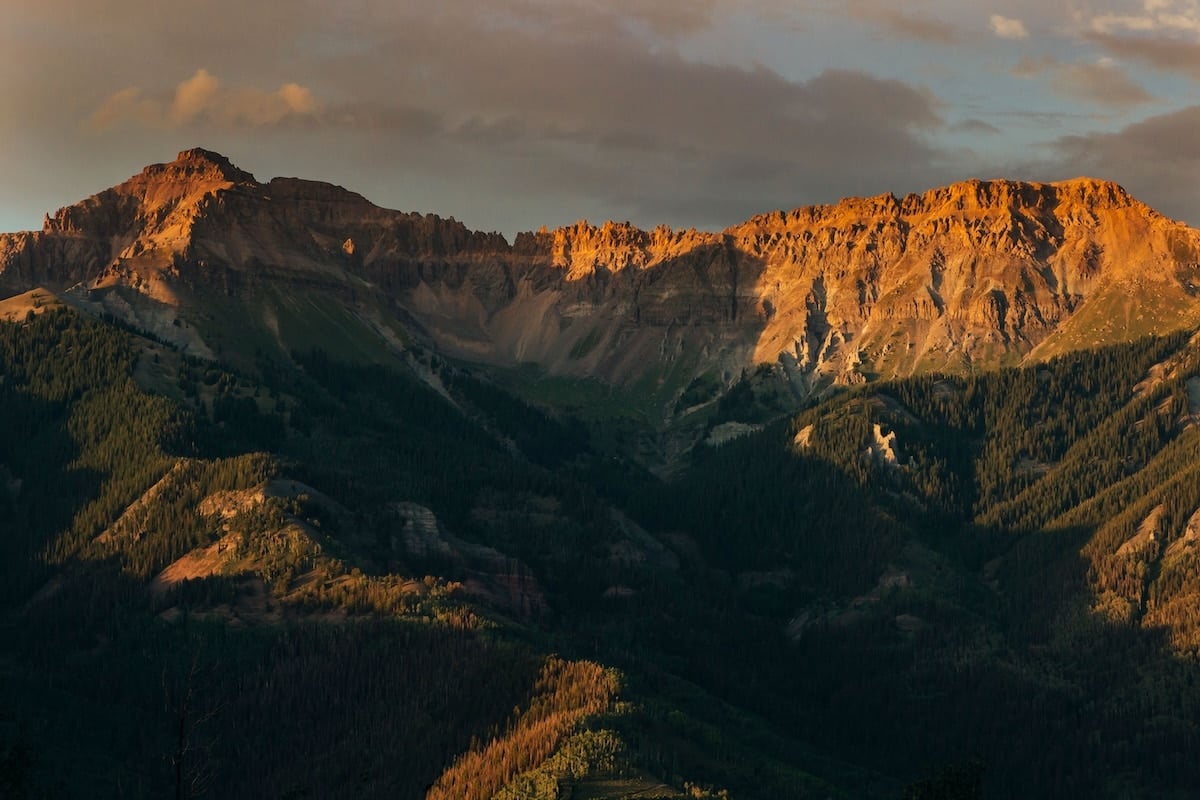
Nestled inside one of Colorado’s most dramatic box canyons, Telluride experiences cold, snowy winters that help build its outstanding skiing reputation.
Why Visit in Summer
Many longtime visitors argue Telluride is even prettier without snow.
Summer offers:
- Waterfall hikes
- Free gondola rides between Telluride and Mountain Village
- Music festivals
- Jeep tours
- Rock climbing
- Scenic alpine drives
Wildflowers blanket surrounding peaks while cool mountain temperatures make hiking comfortable even during July.
5. Girdwood (Alyeska Resort), Alaska
Average January Low: 11–16°F
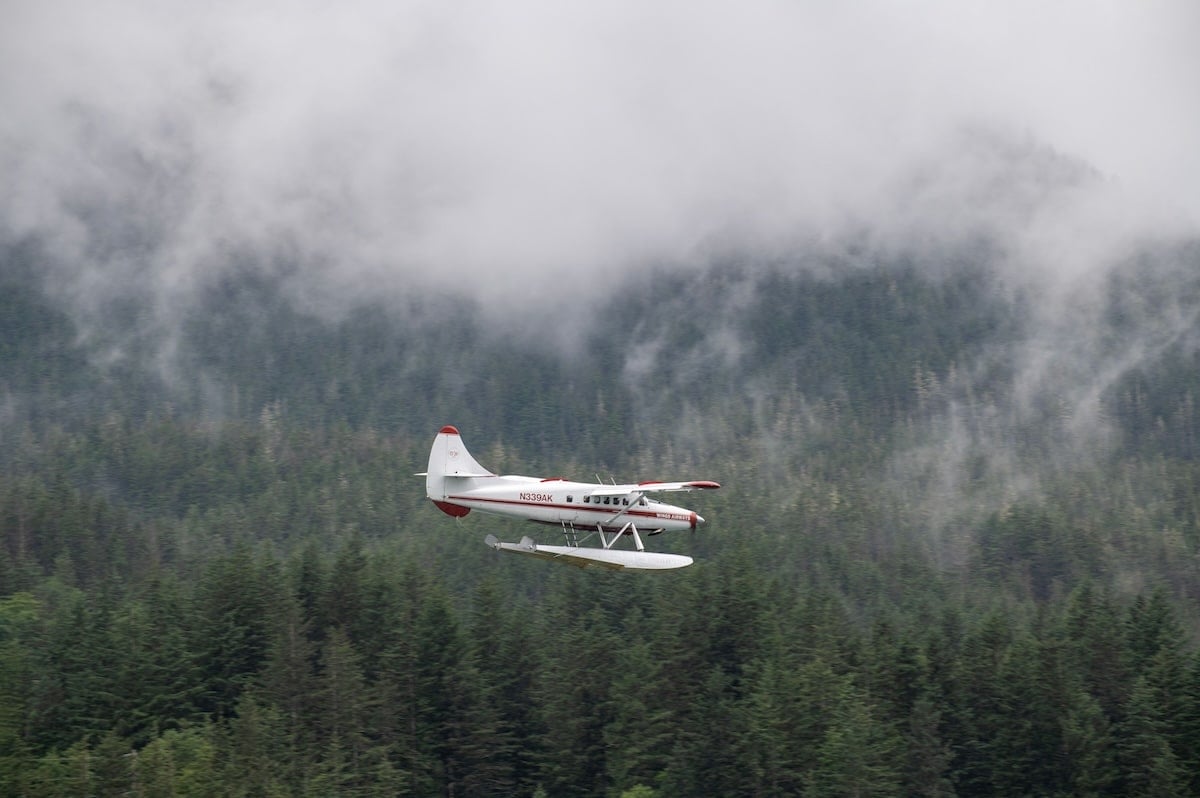
As America’s northernmost major ski resort, Alyeska receives extraordinary snowfall—often 400 to 600 inches annually.
Why Visit in Summer
Summer in Girdwood offers a true Alaska adventure.
Visitors can enjoy:
- Glacier hikes
- Whale watching
- Salmon fishing
- Scenic tram rides
- Wildlife viewing
- Kayaking among glaciers
Thanks to Alaska’s long summer days, there’s plenty of daylight for exploring mountains, forests, and coastal fjords.
Other Cold Ski Towns Worth Visiting in Summer
Stowe, Vermont
Average January Low: ~8–9°F
One of New England’s most picturesque mountain towns, Stowe trades snow-covered slopes for covered bridges, hiking trails, breweries, and scenic drives through Vermont’s Green Mountains.
Whitefish, Montana
Average January Low: ~16°F
Whitefish serves as an outstanding base for exploring Glacier National Park during summer while offering mountain biking, paddleboarding, and hiking around Whitefish Lake.

Alta & Snowbird, Utah
Although nearby valley temperatures are somewhat warmer, these high-elevation resorts enjoy cool mountain summers perfect for hiking, wildflowers, and scenic tram rides high into the Wasatch Range.
Why Cold Ski Towns Make Incredible Summer Destinations
The same characteristics that create incredible skiing also create fantastic summer vacations.
Higher elevations generally mean:
- Cooler daytime temperatures
- Comfortable sleeping weather
- Lower humidity
- Cleaner mountain air
- Outstanding hiking
- Incredible wildflower displays
- Fewer mosquitoes than lower elevations
Many ski lifts also operate throughout summer, allowing visitors to enjoy panoramic mountain views without the climb.
Winter’s Cold Creates Summer Beauty
Long winters and abundant snowfall feed rivers, waterfalls, alpine lakes, and wildflower meadows throughout the warmer months.
The result is spectacular scenery that often surprises first-time visitors expecting ski towns to be quiet during the offseason.
Instead, many mountain communities are bustling with festivals, outdoor recreation, and visitors looking to escape scorching summer temperatures elsewhere.
Whether you’re exploring Yellowstone from Big Sky, hiking beneath the Tetons in Jackson Hole, admiring the Maroon Bells near Aspen, attending a music festival in Telluride, or watching glaciers calve into the ocean near Alyeska, America’s coldest ski towns prove they deserve a place on every summer travel itinerary.