

GUEST AUTHOR: Tony Harrison
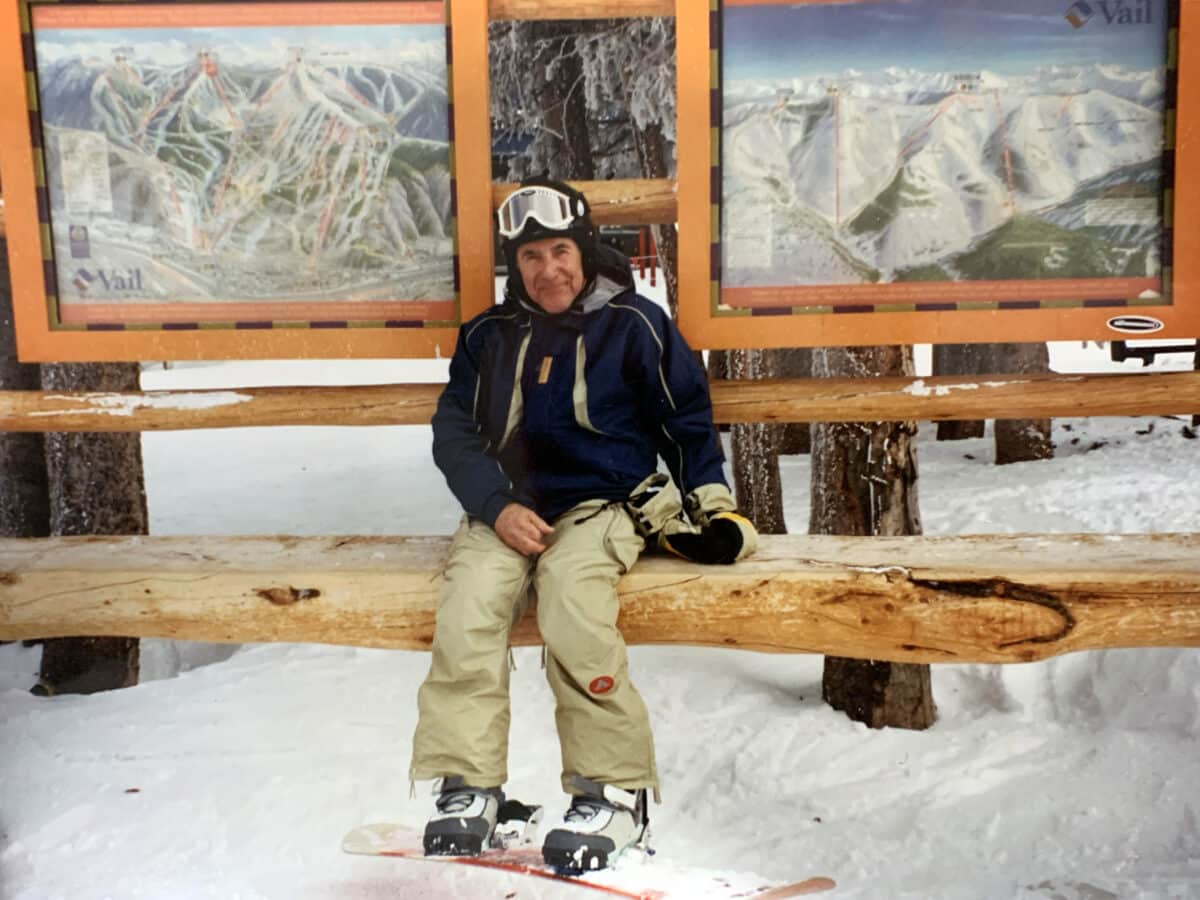
OREM, Utah (April 15, 2026) — Paul Alden, one of the key behind-the-scenes architects of competitive snowboarding in North America, died on April 9, 2026. He was 89.
In the mid-1980s, when snowboarding was still fighting for the right to exist at ski resorts, Alden was doing the work that rarely gets noticed — working the phones, navigating institutional resistance, and helping build the organizational infrastructure that allowed the sport to grow into what it is today.
Born Nov. 19, 1936, in New York City, Alden came to snowboarding through his son David Alden, a Burton Snowboards team member through the 1980s. David recalls that for Christmas in 1968 his father purchased the family Snurfers, the predecessors of snowboards, marking the start of a path that would lead Paul and his family to a lifetime of involvement with the snowboard industry.
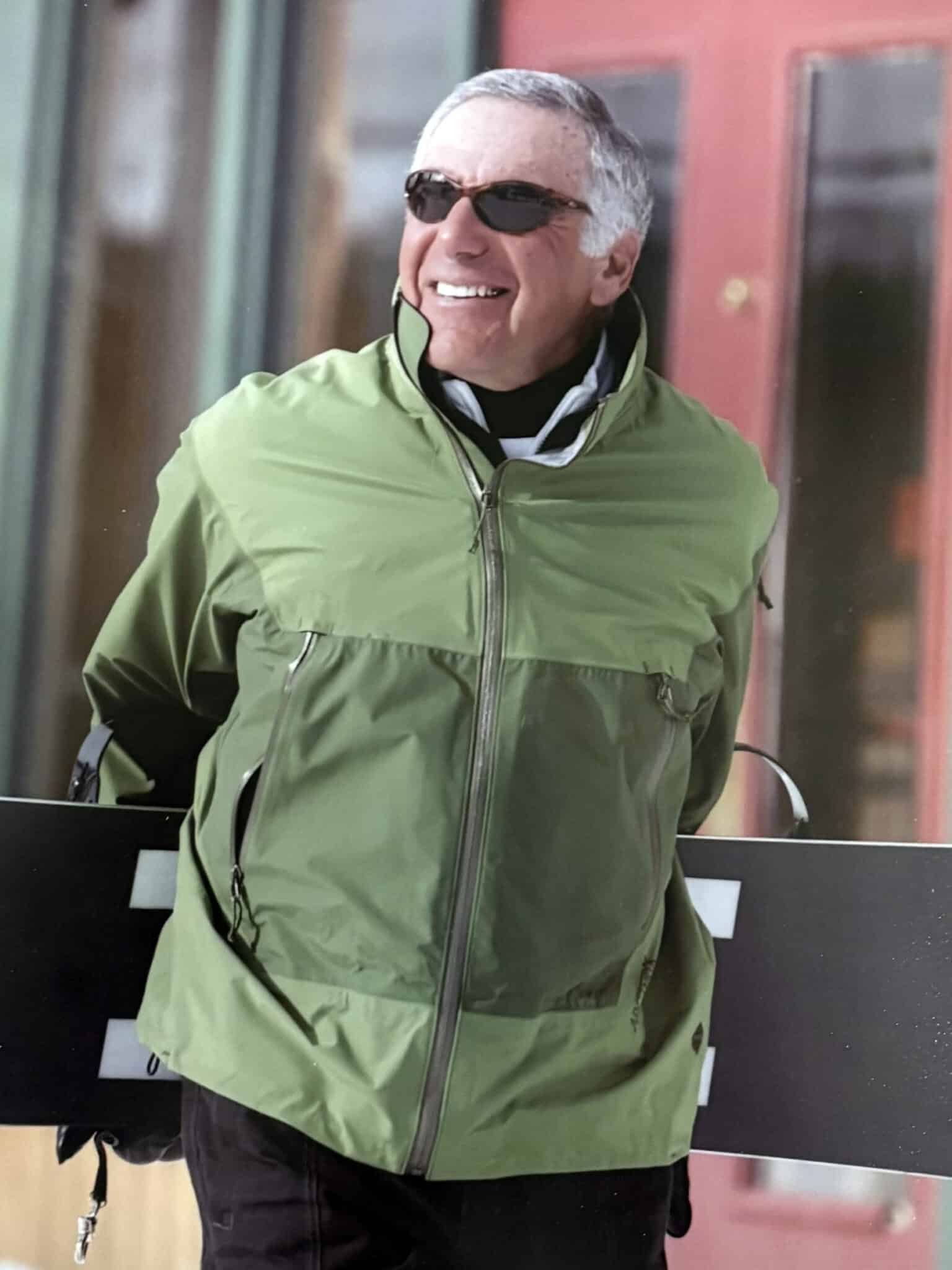
Paul’s involvement grew organically from David’s connection to Burton, and by the mid-1980s Paul had become, in the words of those who worked alongside him, a catalyst for all things in the snowboard industry, and instrumental off the snow.
Alden worked at Burton from 1984-1990, and one of his earliest and most consequential contributions was helping to resolve the insurance problem that kept snowboarding locked out of major ski resorts. Working alongside Jake Burton and others, Alden engaged directly with insurance industry representatives to make the case for snowboarding. When those companies revised their policies to cover the sport, ski areas across the country gained the legal footing they needed to open their lifts to riders. The number of resorts allowing snowboarding grew from 40 in the 1984-85 season to 476 by 1990. Today, there are only three ski areas in North America that still prohibit snowboarding: Alta Ski Area and Deer Valley Resort in Utah and Mad River Glen in Vermont.
In 1986, Alden was part of the effort to convince Breckenridge Ski Resort management to host the World Snowboarding Championships — specifically to accept the halfpipe as a legitimate competitive format. Breckenridge became the home of the World’s for two consecutive years, drawing major sponsorship from Swatch and significant national media attention, establishing competitive snowboarding on its largest stage to that point.
The following year, on March 8, 1987 — the day after the second Breckenridge World Championships — Alden convened a group of riders and industry representatives and founded the North American Snowboard Association. Originally named NASA, the organization was renamed NASBA to avoid confusion with the space agency. Its primary mandate was to partner with the Snowboard European Association to create a unified international World Cup circuit. That same year, the first World Cup season ran two events in the United States and two in Europe, establishing the competitive framework that would eventually feed into Olympic selection.
In 1992, Alden worked behind the scenes on efforts to negotiate a merger between the United States Ski Association and the United States Amateur Snowboard Association — an early attempt to bring snowboarding under an established Olympic sports umbrella. The negotiations ultimately failed, but the political groundwork laid during that period was part of the longer process that resulted in snowboarding’s inclusion in the 1998 Winter Olympics in Nagano, Japan. It has been contested at every Games since, evolving from two initial disciplines to a diverse program featuring six events for both women and men.
Alden played a pivotal role in convincing the International Olympic Committee to allow snowboarding. “Back then I thought he was wasting his time,” his son David recalls. “Little did I know.”
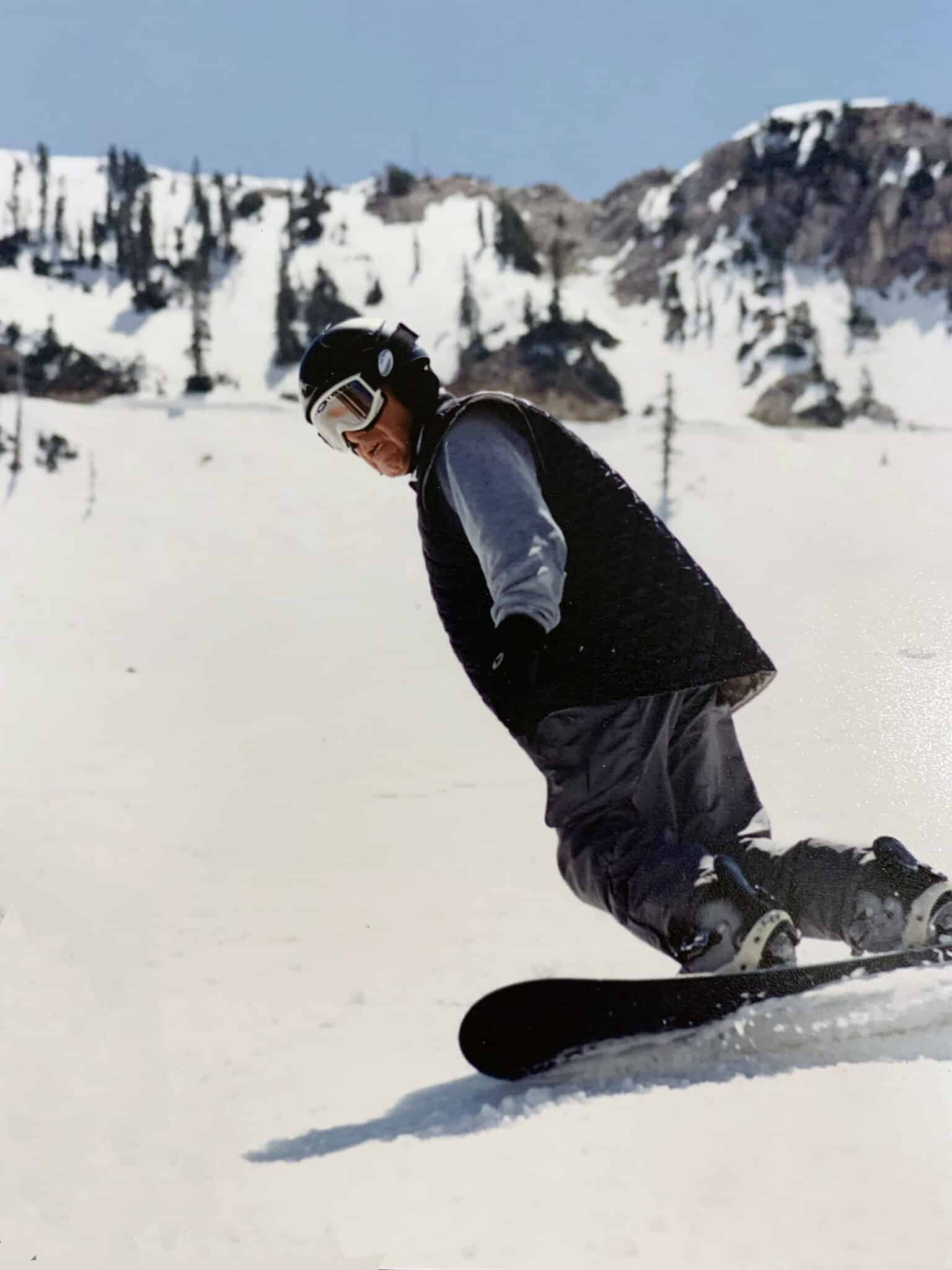
Away from the organizational work, Alden was a rider himself. He spent years teaching snowboarding at Grand Targhee Ski Resort in Wyoming — a reminder that his connection to the sport was personal, as well as professional.
Beyond his organizational work, Alden was involved in manufacturing and business development across the snowboard industry through the late 1980s and 1990s, working with companies and suppliers on both sides of the Pacific.
Alden’s manufacturing expertise extended into consumer products, as well. When his son Rick Alden founded Skullcandy in 2003 — the action-sports headphone brand that went public in 2011 — Paul managed the company’s offshore production operations in China during its formative years, applying the same manufacturing relationships he had built across the snowboard industry.
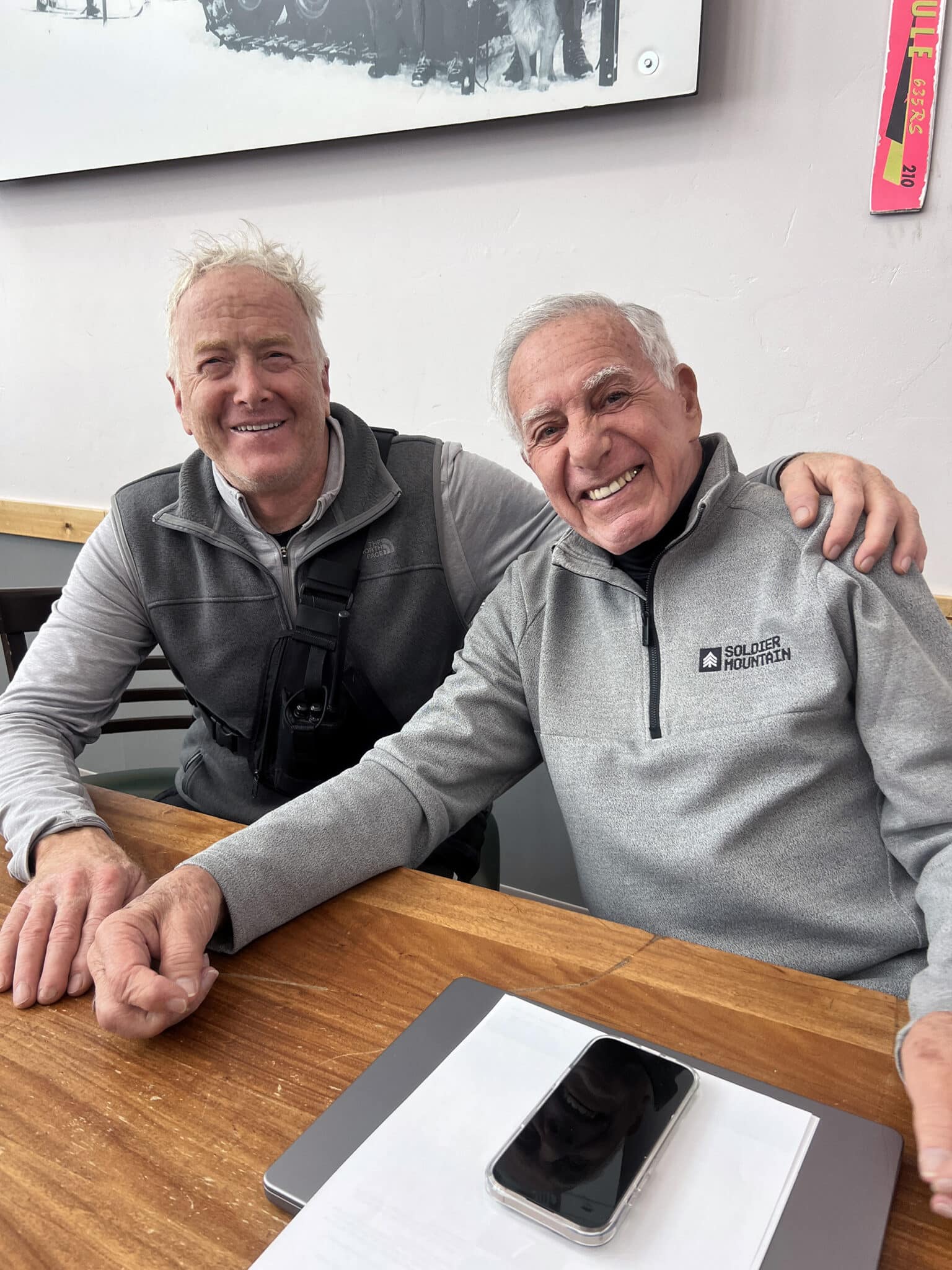
He continued working in the snowsports industry into his final years, serving as general manager for Soldier Mountain Ski Area in Fairfield, Idaho. He took great pride in working with a close-knit collaboration of owners, management, and staff that included his son David and grandson Dan Larkin, along with a group of longtime friends and colleagues.
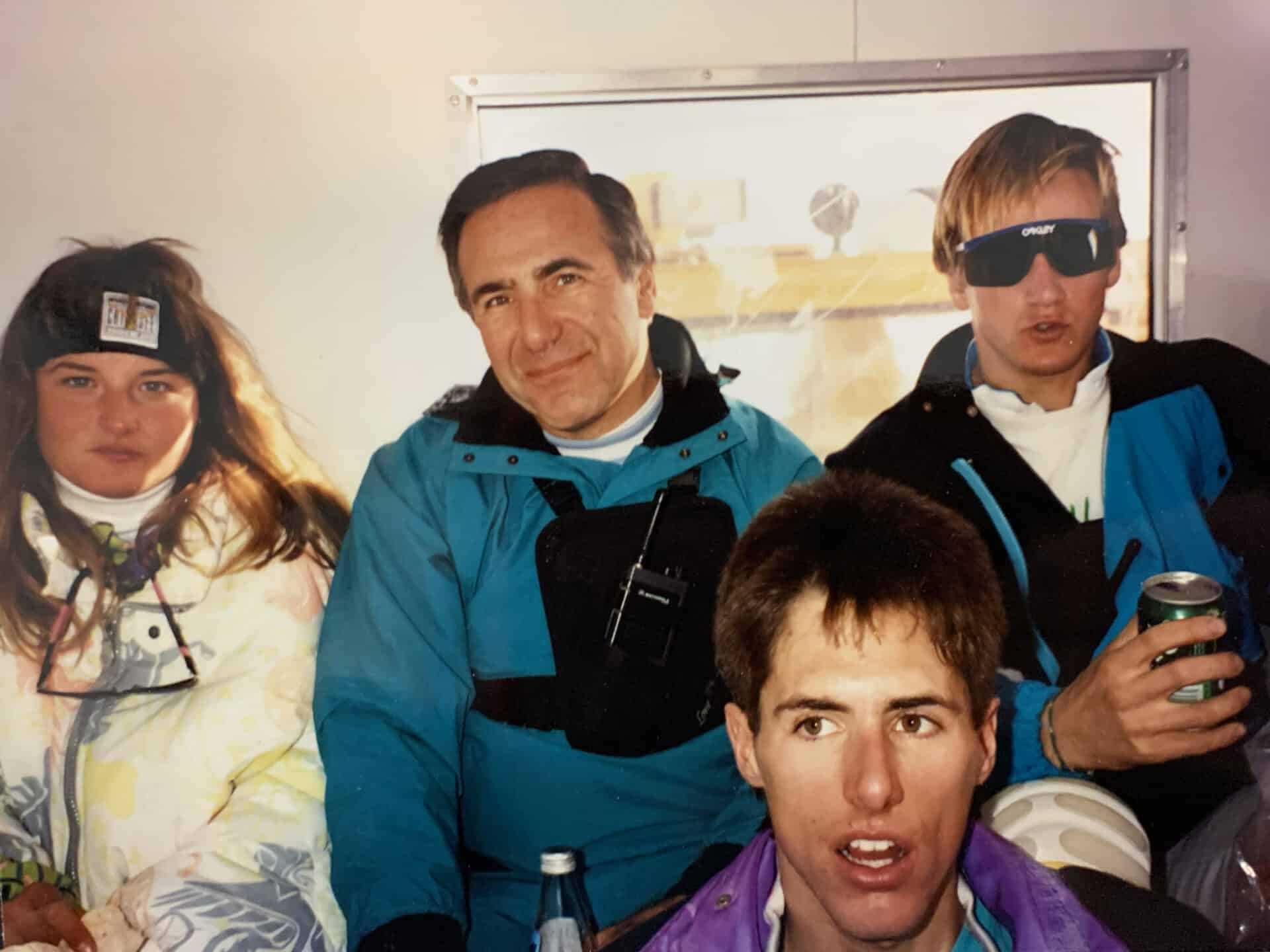
Snowboarding has lost several of its earliest pioneers in recent years — among them Jake Burton in 2019 and Tom Sims in 2012. Paul Alden’s death adds another name to that list — one of the people who were present at the creation, who made the calls, attended the meetings, and did the structural work that turned a fringe hobby into an Olympic sport.
Alden is preceded in death by his parents, Albert and Clarisse; and Scott, a son. He is survived by his wife Sharon; his children Mary (Jim) Moore, Carole (Doug) Andersen, David Alden, Rick Alden, and Clare Chadwick; 25 grandchildren; and 37 great-grandchildren.
A viewing will be held Friday April 17 from 6-8 p.m. at The Church of Jesus Christ of Latter-day Saints meetinghouse at 135 East 2000 South in Orem, Utah. Funeral services will follow Saturday April 18, with a viewing prior to the 11 a.m. services from 10-10:45 a.m. Interment will be in the Alpine (Utah) City Cemetery.
