Switzerland — On October 3rd, the International Ski and Snowboard Federation (FIS) and the World Meteorological Organization (part of the United Nations) announced a Memorandum of Understanding to increase awareness of climate change’s impacts on the ski industry.
The agreement will allow the WMO to share its scientific findings regarding the climate with the heads of mountain tourism agencies. The two parties plan to create various joint activities and initiatives that will highlight the damage climate change is doing to winter sports and snow coverage. The five-year deal includes the option for automatic renewal.
“Ruined winter vacations and cancelled sports fixtures are – literally – the tip of the iceberg of climate change,” said Celeste Saulo, WMO Secretary-General. “Retreating glaciers, reduced snow and ice cover and thawing permafrost are having a major impact on mountain ecosystems, communities and economies and will have increasingly serious repercussions at local, national and global level for centuries to come.”
This year, the two sides will host various events. On November 7th, they plan on hosting a Webinar with 137 National Ski Area Associations and event organizers to detail the impacts of climate change and forecasting tools that will help with snow management. By increasing awareness, they hope to encourage more people to make noteworthy changes that will benefit our environment.

“The climate crisis is obviously far bigger than FIS − or sports, for that matter: it is a genuine crossroads for mankind. It is true, though, that climate change is, simply put, an existential threat to skiing and snowboarding,” said Johan Eliasch, President of FIS. “We would be remiss if we did not pursue every possible effort that is rooted in science and objective analysis. This is what we are trying to follow and what is at the core of this promising partnership with the WMO.”
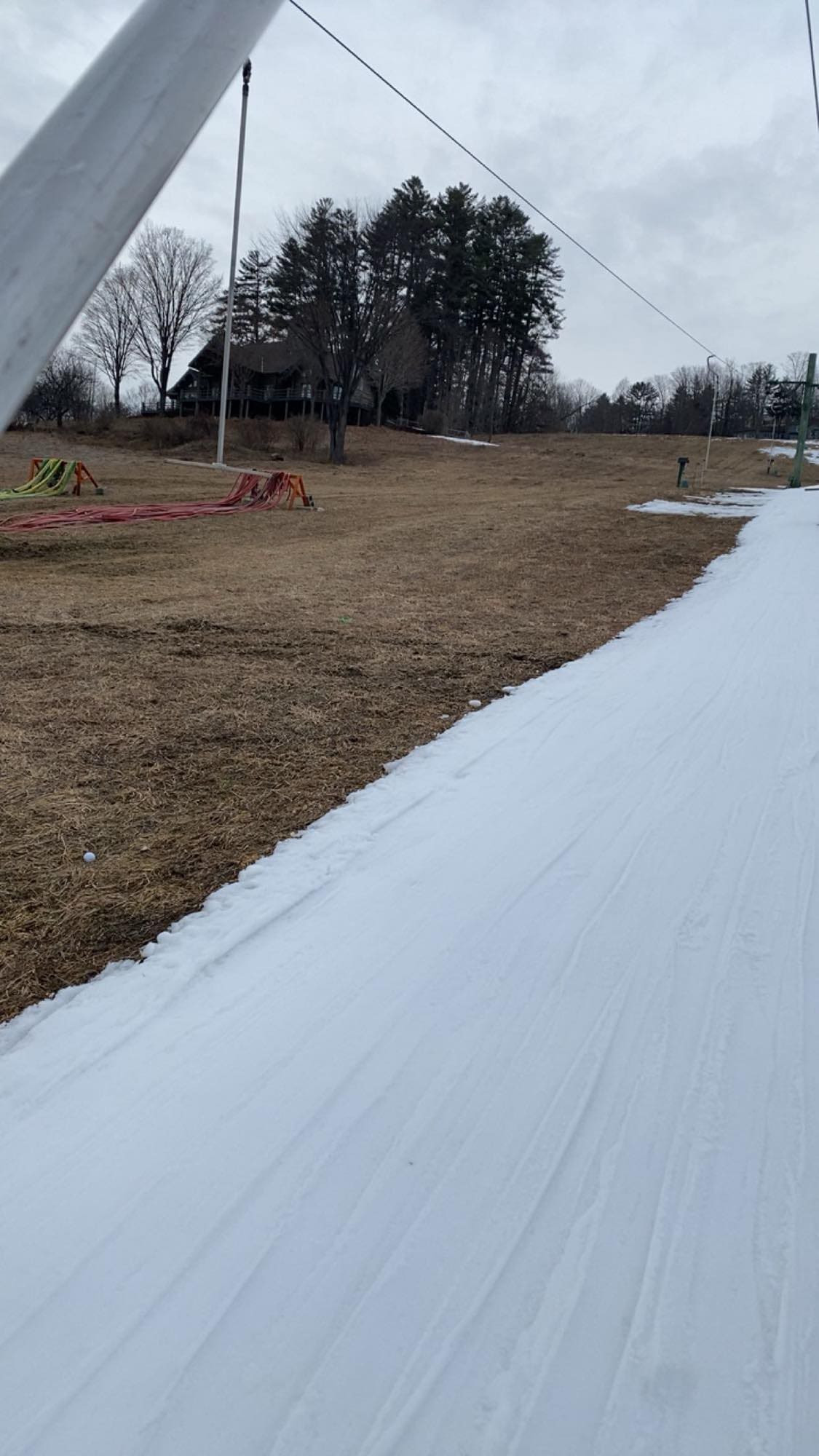
FIS organized 616 World Cup races last winter, 26 of which were canceled due to weather challenges. Some of the events were among the most notable on the calendar, with the Men’s downhills in Chamonix and the women’s downhill and GS at Germany’s Garmisch-Partenkirchen being axed.
Various studies have shown worrying signs for the ski industry. A study by MeteoSwiss and the Swiss Federal Office of Meteorology found that Switzerland’s glaciers have lost 60% of their volume since 1850. They also found that snow days at elevations below 800 meters have declined by 50% since 1970. Research from the Swiss Climate Change Scenarios CH2018 found that the zero degrees (celsius) level has risen from around 600 meters fifty years ago to 850 meters today. This warming is causing various ski areas in Europe to close for good. If there are insufficient efforts to curtail our warming planet, that zero-degree level will increase to 1,300–1,500 meters.