

Glacier National Park has confirmed a grizzly bear attack that injured a hiker on May 28th, according to reporting from KRTV.
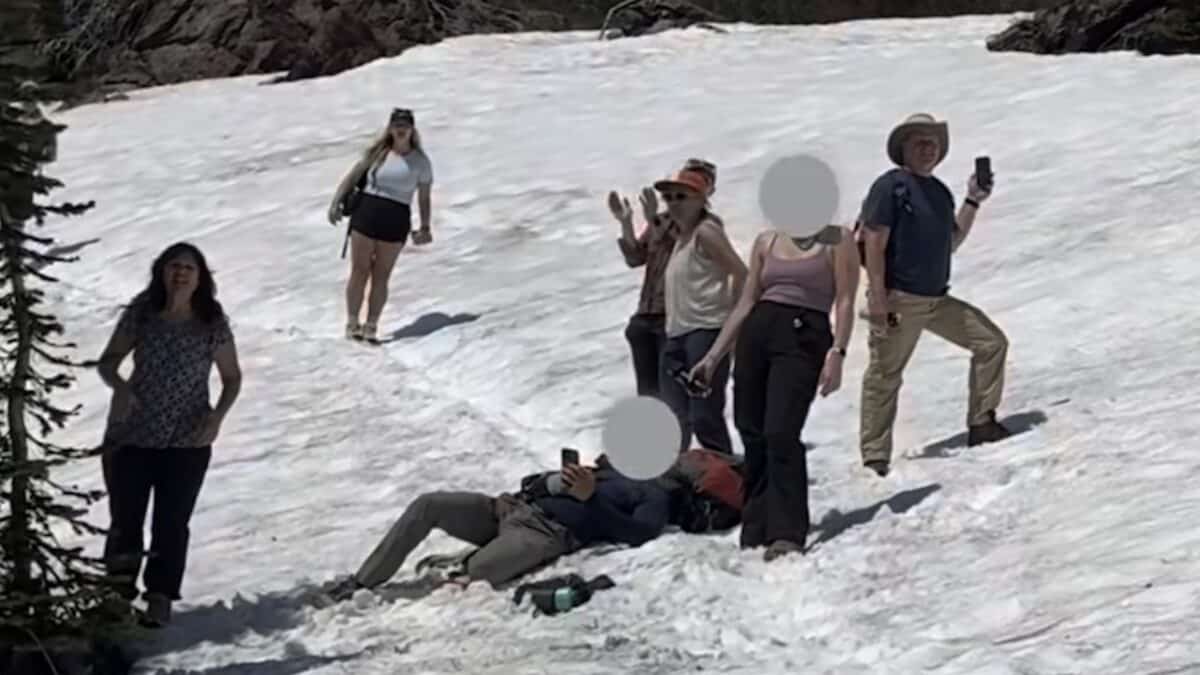
The incident occurred at approximately 12:45pm along the Grinnell Glacier Trail, in a snowfield about 3.5 miles up the trail. Park officials described it as a “surprise encounter,” noting that loud rushing water in the area made it difficult for either the man or the bear to detect one another in advance.
The bear charged the hiker, a 32-year-old man, fracturing his arm. Nearby hikers quickly came to his assistance and provided initial medical aid while the bear moved away from the area. At approximately 12:51pm park dispatch received an SOS message and responded by sending park staff along with an ALERT helicopter. The man was transported to Logan Health Medical Center in Kalispell for treatment.
Park officials have not announced any management actions regarding the bear.
The attack comes just a few weeks after search and rescue crews discovered the body of 33-year-old Anthony Pollio of Florida on May 6th about 2.5 miles up the Mt. Brown Trail, roughly 50 feet off the trail in a densely wooded area. His injuries were described as consistent with a bear encounter.
Grizzly Bears in Glacier
Glacier National Park is home to both black bears and grizzly bears. Researchers estimate the park harbors around 300 grizzly bears and 600 black bears. Grizzly bears are listed as threatened in the contiguous United States and will normally avoid humans when possible. More than 90 percent of a grizzly’s diet consists of plant material including grass, roots, berries, pine nuts, and mushrooms, along with insects; they occasionally prey on larger animals as well.
On the east side of Glacier, some grizzlies spend the entire summer in lowland meadows and aspen groves before returning to higher elevations to hibernate, while others move between the valleys and high country depending on where food is available throughout the season.
Bear Safety in Glacier National Park
The National Park Service urges all visitors to take bear safety seriously before heading into the backcountry. Intentionally approaching or viewing bears within 100 yards is prohibited, and visitors should maintain at least 25 yards from all other wildlife. nps
Hiking in groups significantly reduces the risk of a negative bear encounter. There have been no reported attacks on groups of four or more in Glacier. Calling out and clapping at regular intervals are effective ways to alert bears to your presence, as bears usually move away when they hear people approaching.
Bear spray has been shown to be the most effective deterrent against bear attacks and should be carried in an accessible location at all times on the trail. Hikers should be especially alert near streams, in dense vegetation, and around blind corners or rises in the trail, as these conditions can make it harder for bears to detect approaching people.
If a bear charges in a defensive manner, the NPS advises hikers not to run, to talk quietly, and to prepare to deploy bear spray. If contact appears imminent and no spray is available, falling face-down on the ground, clasping hands behind the neck, and leaving a pack on for protection are recommended.
