

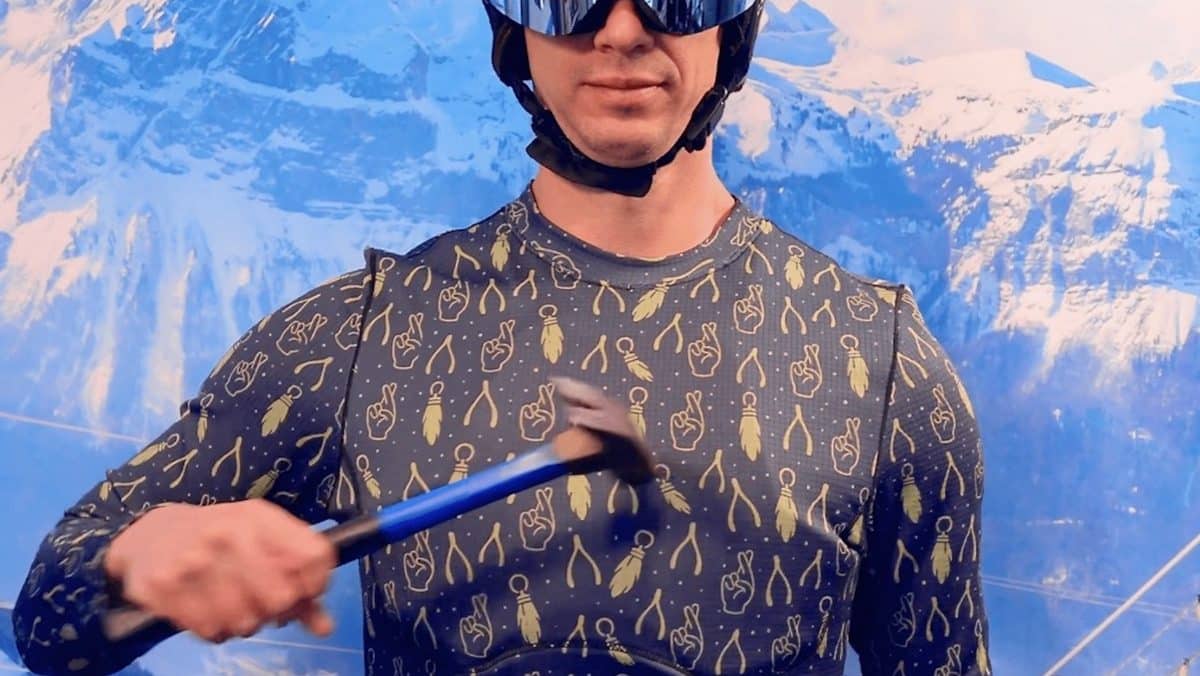
Two years ago, Marine veteran Ken Zavada was skiing at Breckenridge when a routine trip into the trees ended with him flat on his back in the snow, struggling to breathe after slamming into a protruding branch. Zavada said he had ducked into the trees for a bathroom break and was making his way back toward a blue run when he failed to see the branch. The impact was hard enough that a skier on a nearby trail heard the collision, entered the trees and helped him get back on his feet.
“AgroPelt was born that day” -Ken Zavada
Zavada and business partner Katie Brinkworth have since spent roughly two years developing AgroPelt, a ski and snowboard baselayer with removable D3O impact protectors positioned over the chest and back. The product is now on Kickstarter as the pair attempts to move it into full production.
The Idea Came From A Normal Day Of Resort Skiing
What makes Zavada’s accident relatable to the casual skier is that it did not happen while dropping a cliff or ripping down some gnarly couloir. He was just dipping into the woods for a bathroom break and got bonked by a branch.
The experience left him wondering why torso protection was not more common in skiing when protective gear is standard equipment in activities such as mountain biking and motocross. That question carried extra weight for Zavada, who previously served as an officer in the U.S. Marine Corps and was already familiar with wearing protective equipment.
The challenge was finding something he would actually want to ski in. Rather than developing a separate hard-shell armor vest, Zavada and Brinkworth began working on a product that would function like a normal baselayer while quietly incorporating impact protection beneath standard ski clothing.
Two Years Of Prototypes Followed
Zavada says the development process involved much more than simply sewing protective pads into a shirt. He and Brinkworth tested different fabrics and armor configurations while refining details including seams, stitching, thumbholes and the pockets that hold the protective inserts.
One of their goals was to keep the armor securely positioned without relying on zippers, Velcro, buttons or snaps that could add bulk or create uncomfortable pressure points underneath outerwear. The finished design is a long-sleeve baselayer intended to stretch and move like conventional technical apparel while holding removable D3O protectors against the chest and spine. The pads can be removed when the shirt needs to be washed.
D3O Protection Is Designed To Absorb Impact
The orange protective inserts are made by D3O, a company whose impact-absorbing materials are already widely used in motorcycle, mountain bike, ski racing and other protective equipment. AgroPelt says its chest and back inserts carry CE Level 1 impact-protection certifications, with D3O’s chest protection tested under the EN 1621-3 standard and its back protectors tested under EN 1621-2. The material remains relatively flexible during normal movement but is designed to absorb and disperse energy during an impact.
Protective Gear Without The Bulk
Dedicated chest and spine protection already exists in skiing, particularly among ski racers, terrain park athletes and people who also participate in sports such as mountain biking. AgroPelt is targeting a somewhat different skier by trying to make torso protection unobtrusive enough that someone could put it on in the morning as their normal baselayer rather than making a separate decision to wear body armor.
Zavada said the priority throughout development was making the shirt comfortable first. That could prove important if torso protection is ever going to become more common among recreational skiers and snowboarders, since protective equipment only works if people are actually willing to wear it.
Ski helmets followed a somewhat similar trajectory over the past several decades, moving from relatively uncommon equipment to a standard part of resort skiing for many people. Whether protective baselayers follow anything close to that path remains to be seen, but AgroPelt is built around the idea that added protection is more likely to catch on when it feels like part of a skier’s normal layering system.
AgroPelt Is Now On Kickstarter
The AgroPelt Kickstarter campaign is seeking $40,000 to help move the product into production. The campaign is scheduled to end Oct. 15 and follows Kickstarter’s all-or-nothing funding model, meaning the project must reach its goal for pledged money to be collected.
If you believe in the product don’t dawdle, this Kickstarter is about to expire and it needs a boost get it over the line. If you like it, support it and tell your friends. Only needs to work once to be invaluable.
