

A new study examining aggressive wildlife encounters in Canadian national parks has found that one species is involved in far more incidents than traditionally feared predators such as grizzly bears.
Researchers from the University of York analyzed thousands of human wildlife interactions recorded by Parks Canada between 2010 and 2023. The study, published in Frontiers in Conservation Science, examined how different recreational activities and animal species influenced aggressive encounters across 25 national parks and historic sites.
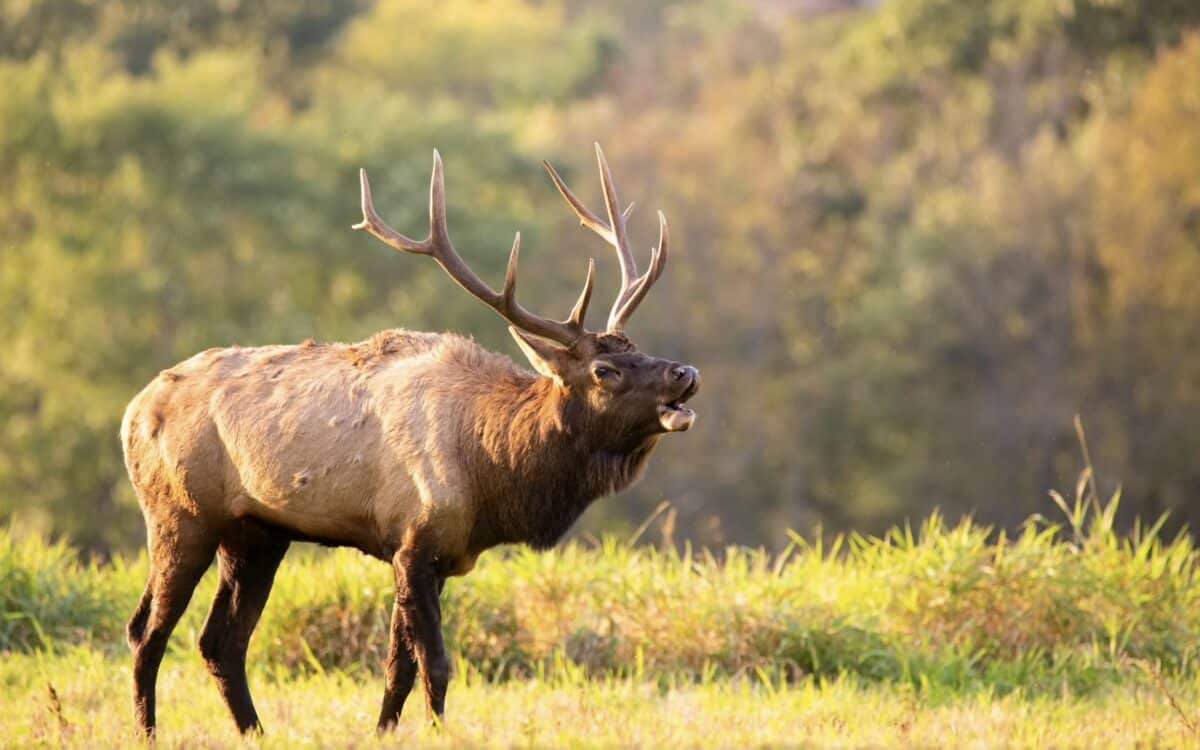
The findings revealed that elk were responsible for the highest number of aggressive encounters, accounting for nearly two thirds of all documented incidents among the five large mammal species studied.
Elk Account For The Majority Of Aggressive Encounters
The researchers analyzed 2,878 aggressive encounters involving elk, black bears, grizzly bears, mule deer, and coyotes. Elk accounted for 1,803 incidents, or 62.6% of the total. Grizzly bears ranked second with 413 aggressive encounters, followed closely by black bears with 377 incidents. Mule deer and coyotes had much lower totals, with 199 and 86 aggressive encounters respectively.
Elk behavior can be difficult for visitors to predict. While elk sometimes avoid humans, they do also use areas with human activity as protection from natural predators. This shifting response may contribute to unexpected encounters, with aggressive elk encounters being especially common around townsites, camping areas, and other locations where people and wildlife frequently overlap.
Hiking And Other Low Impact Activities Saw The Most Encounters
The study also found that low impact activities such as hiking, walking, wildlife viewing, and photography were linked to significantly more aggressive encounters than other activity categories. These activities accounted for 704 aggressive incidents, representing 24.5 percent of the total. The research suggests that quiet movement through remote areas may increase the chance of surprise encounters because hikers and wildlife may encounter each other at close range with little warning.
Grizzly bears showed a particularly strong connection with low impact activities. The study found aggressive grizzly bear encounters were significantly more frequent during hiking and similar activities, likely because trails often pass through areas with limited visibility.
How National Parks Can Reduce Wildlife Conflicts
Aggressive encounters are not simply caused by increasing visitor numbers. The overall number of incidents remained relatively stable from 2010 through 2023 despite changes in park visitation. Instead the study found that risk depends heavily on the combination of species and recreational activity.
The authors recommend targeted management strategies rather than broad restrictions. For elk, measures could include reducing wildlife and visitor overlap during sensitive periods such as calving and rut seasons. For grizzly bears, improving trail visibility, increasing bear safety requirements on higher risk routes, and using targeted closures could help reduce surprise encounters.
The researchers also highlighted the importance of visitor education. Understanding wildlife behavior and maintaining appropriate distances can help protect both people and animals. As outdoor recreation continues to grow across Canada, the study suggests that improving coexistence between visitors and wildlife will require a more detailed understanding of how individual species respond to different human activities.