

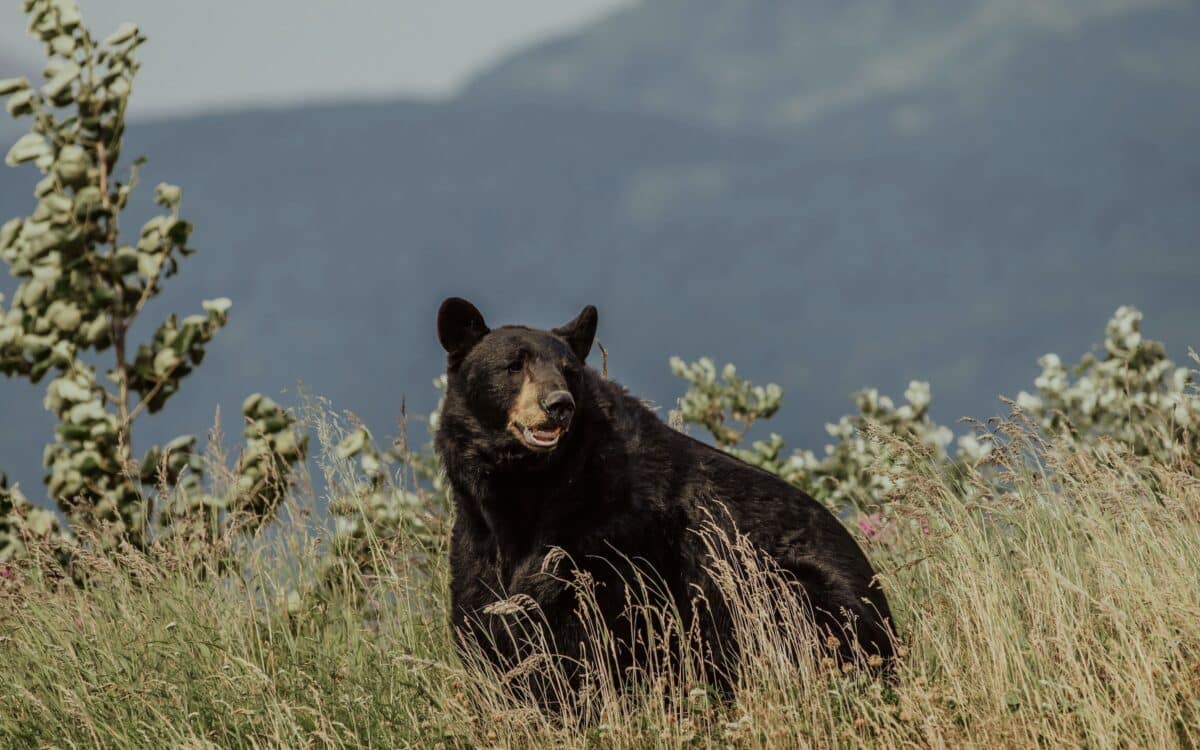
Colorado Parks and Wildlife has joined forces with Pitkin County and the municipalities of Aspen, Basalt, and Snowmass Village to launch a regional campaign aimed at reducing human and bear conflicts across the Roaring Fork Valley.
Ecounters continue to climb during one of the state’s most active summers in recent years. Officials say drought conditions have dramatically reduced natural food sources, pushing black bears into neighborhoods and downtown areas in search of an easy meal.
The campaign brings together state and local agencies under a single public education strategy designed to reach residents, visitors, and resort employees with consistent messaging about preventing bear encounters.
Bear Reports Climb Across Colorado
According to Colorado Parks and Wildlife, roughly 3,960 bear reports were documented statewide between January 1 and July 26. That represents a 68 percent increase compared to the 2,352 reports received during the same period last year. Pitkin County has also seen a noticeable increase. Wildlife officials recorded 331 bear reports during that timeframe, up nearly 31 percent from the 252 reports reported one year earlier.
More concerning than the overall increase is the sharp rise in property damage. Colorado Parks and Wildlife says incidents involving bears accessing food and damaging property have increased by 56 percent in the county.
“Historic drought conditions have led to an increase in bear activity in our residential and downtown areas this year. By aligning our outreach and education strategies across county and municipal lines, our hope is to eliminate the attractants that draw bears into our communities and keep both people and wildlife safe.” – CPW Area Wildlife Manager Matt Yamashita.
Why Bears Are Entering Neighborhoods
Midsummer is a critical feeding period for black bears. This year, severe drought has reduced the availability of berries and other natural food sources, forcing many bears to search for food in developed areas. The situation could become even more serious as fall approaches. During hyperphagia, the annual period when they prepare for winter denning, they can consume up to 20,000 calories each day.
Once bears discover unsecured garbage, pet food, bird seed, or other easy food sources around homes, they often return repeatedly and become increasingly comfortable around people. Community Response Officer Emily Casebeer said wildlife conflicts require a community wide effort because a single unsecured trash container can create problems for an entire neighborhood.
“Bears don’t care about town boundaries or city limits when they are in search of food. This partnership allows us to standardize our communication and education valley-wide. We are asking our residents, resort staff, and visitors to treat attractant management as a collective community duty.” – City of Aspen Parks and Open Space Wildlife Coordinator Lara Xaiz
Officials Urge Public to Follow Safety Basics
As part of the campaign, agencies are using bus advertisements, radio spots, digital media, printed materials, and community events to encourage residents and visitors to reduce attractants around homes.
Officials recommend six key steps including securing garbage and recycling, removing bird feeders, keeping pet food indoors, cleaning grills after use, avoiding feeding or approaching bears, and notifying neighbors when bears are active nearby.
Wildlife managers emphasize that bears will often return to natural habitat if they cannot find food in neighborhoods. Eliminating food rewards remains the most effective way to reduce dangerous human and bear conflicts across Colorado.