

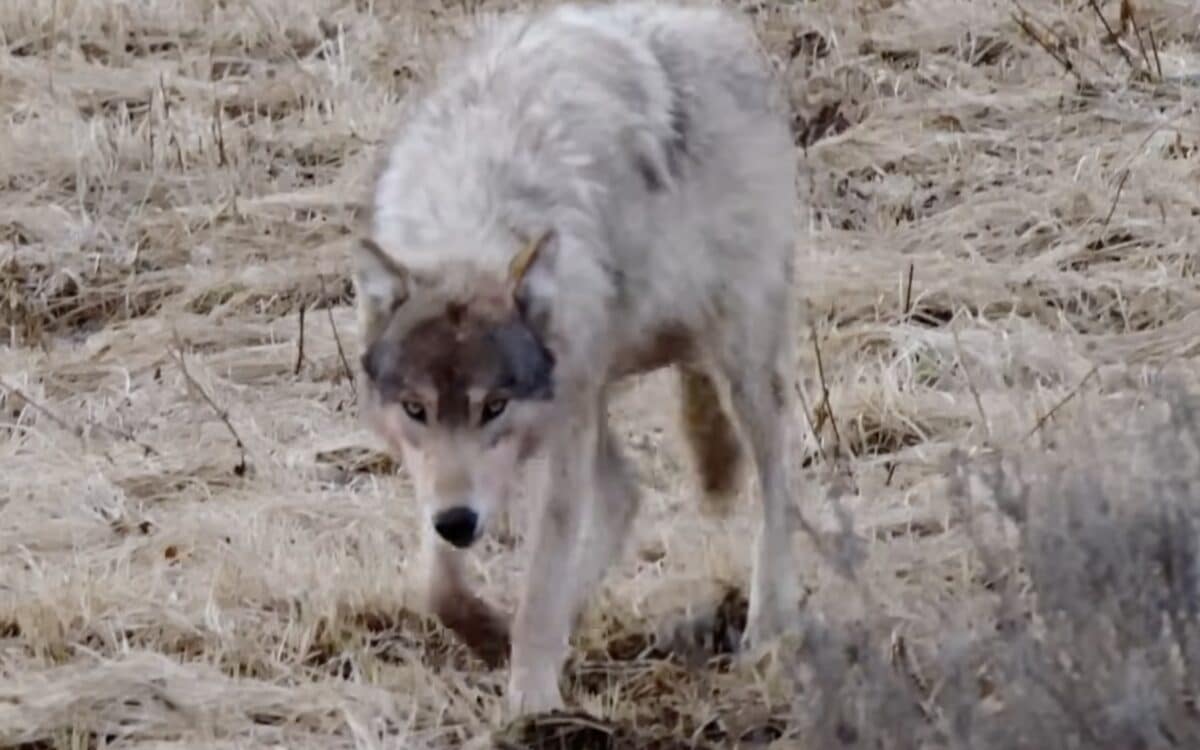
Colorado’s gray wolf restoration effort reached another milestone this week with the confirmation of a new pack in Eagle County. Colorado Parks and Wildlife announced that the newly identified Piney Ridge Pack marks the fourth confirmed reproducing pack in the state this year.
The agency has now confirmed successful reproduction in the Piney Ridge, One Ear, Three Creeks, and Copper Creek packs during 2026. Wolves typically produce litters of four to six pups, though determining exact numbers remains difficult because the young spend their earliest weeks in remote areas with dense vegetation and often remain hidden in underground dens.
Additional information about the state’s wolf packs will be included in Colorado Parks and Wildlife’s 2026 through 2027 annual report, which is scheduled for release in spring 2027.
Four Reproducing Wolf Packs
According to Colorado Parks and Wildlife Wolf Conservation Program Manager Eric Odell, locating pups during late spring and early summer presents significant challenges due to the animals’ secretive behavior and the rugged terrain they occupy. The agency is continuing to monitor all four reproducing packs throughout the year. Population estimates and minimum counts will be published in next year’s biological report once monitoring is complete.
The confirmation of another established pack represents more than just the population growth, as it is also an encouraging sign that the state’s reintroduced wolves are becoming established on the landscape.
Why Established Packs Matter
Wolves living in established packs have demonstrated higher survival rates than those traveling alone or dispersing into new areas. Data collected during the most recent biological year supports that trend. Between April 1st, 2025, and March 30th, 2026, Colorado recorded ten wolf mortalities. Seven of those deaths involved dispersing wolves while only three involved animals that were members of established packs.
Wolf Monitoring and Data Coordinator Dr. Brenna Cassidy said those early findings suggest that pack formation benefits both adult survival and successful reproduction as Colorado works toward the objectives outlined in its Wolf Restoration and Management Plan. The state’s wolf population does remain relatively small.
Established Territories Help Reduce Conflict
The formation of wolf packs also provides practical benefits for ranchers and wildlife managers. Once a pack establishes a territory, its movements generally become more predictable than those of dispersing. That allows Colorado Parks and Wildlife staff to better target conflict reduction efforts near livestock operations.
The agency continues working directly with producers in areas where activity has been documented. Wildlife managers deploy tools such as fladry, range riders, hazing efforts, and scare devices to reduce the likelihood of conflicts between wolves and livestock.
As Colorado’s wolf population expands through reproduction and natural migration, officials are also encouraging members of the public to report sightings, particularly those supported by clear photographs or video. Those reports help biologists track wolves that are not fitted with GPS collars and improve understanding of how the state’s growing population is expanding across Colorado.
Residents are reminded that gray wolves remain protected under both state and federal endangered species laws.