

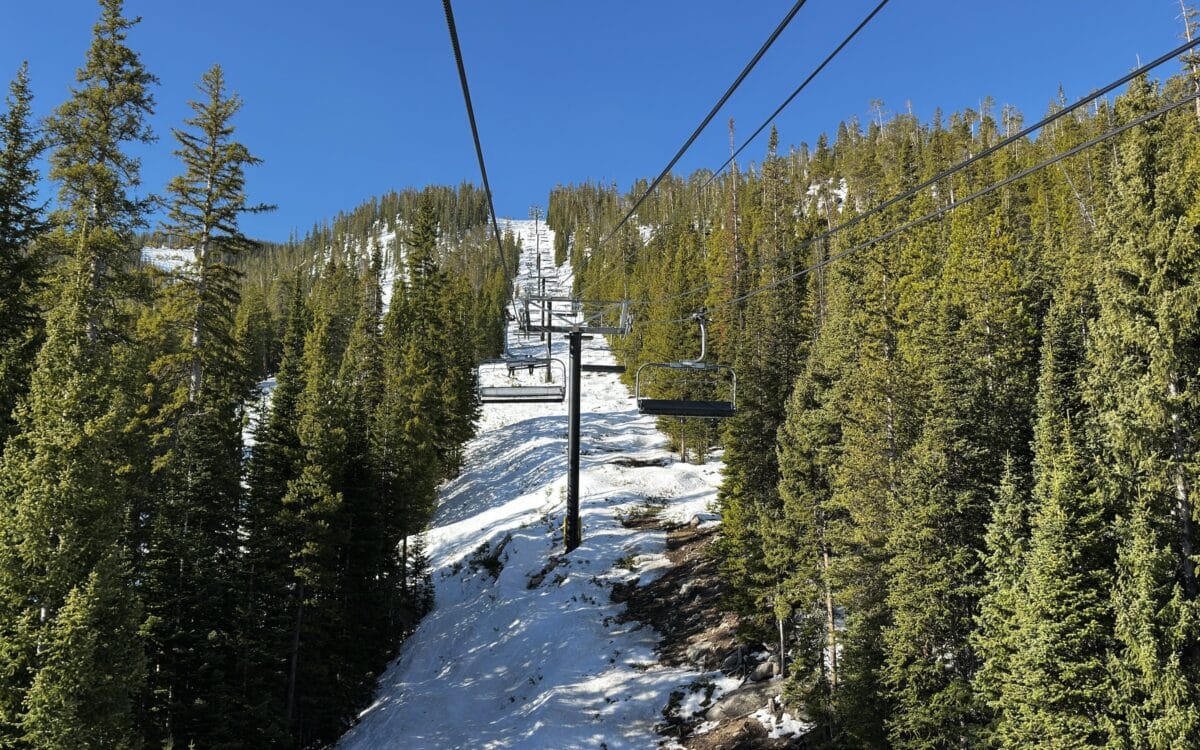
A new study published in the Proceedings of the National Academy of Sciences concludes that the historic snow drought that gripped the western United States during the winter and spring of 2026 was made dramatically more likely by greenhouse gas emissions.
Researchers found that snow conditions as severe as those seen across the West were about 4.4 times more likely in today’s climate than they would have been before widespread industrial greenhouse gas emissions. In the Upper Colorado River Basin, the odds increased even more sharply with researchers estimating the event was roughly 14 times more likely than under preindustrial conditions. The findings come after one of the lowest snowpack seasons in recent memory raised alarms for ski resorts, water managers, agriculture, and wildfire officials throughout the region.
Snowpack losses stretched across the West
The study examined snow water equivalent measurements collected around March 15th, which is typically near the seasonal peak for mountain snowpack. Researchers found exceptionally low snow conditions across much of the western United States. About half of the analyzed landscape recorded snowpack at or below the 10th percentile compared with recent decades. Roughly one fifth of monitored locations experienced their lowest March snowpack on record.
Scientists noted that the 2026 snow drought developed during a winter marked by unusually warm temperatures rather than exceptionally low precipitation. That combination meant much of the precipitation that normally would have fallen as snow instead arrived as rain or melted quickly after reaching the ground.
Water supplies and recreation face growing pressure
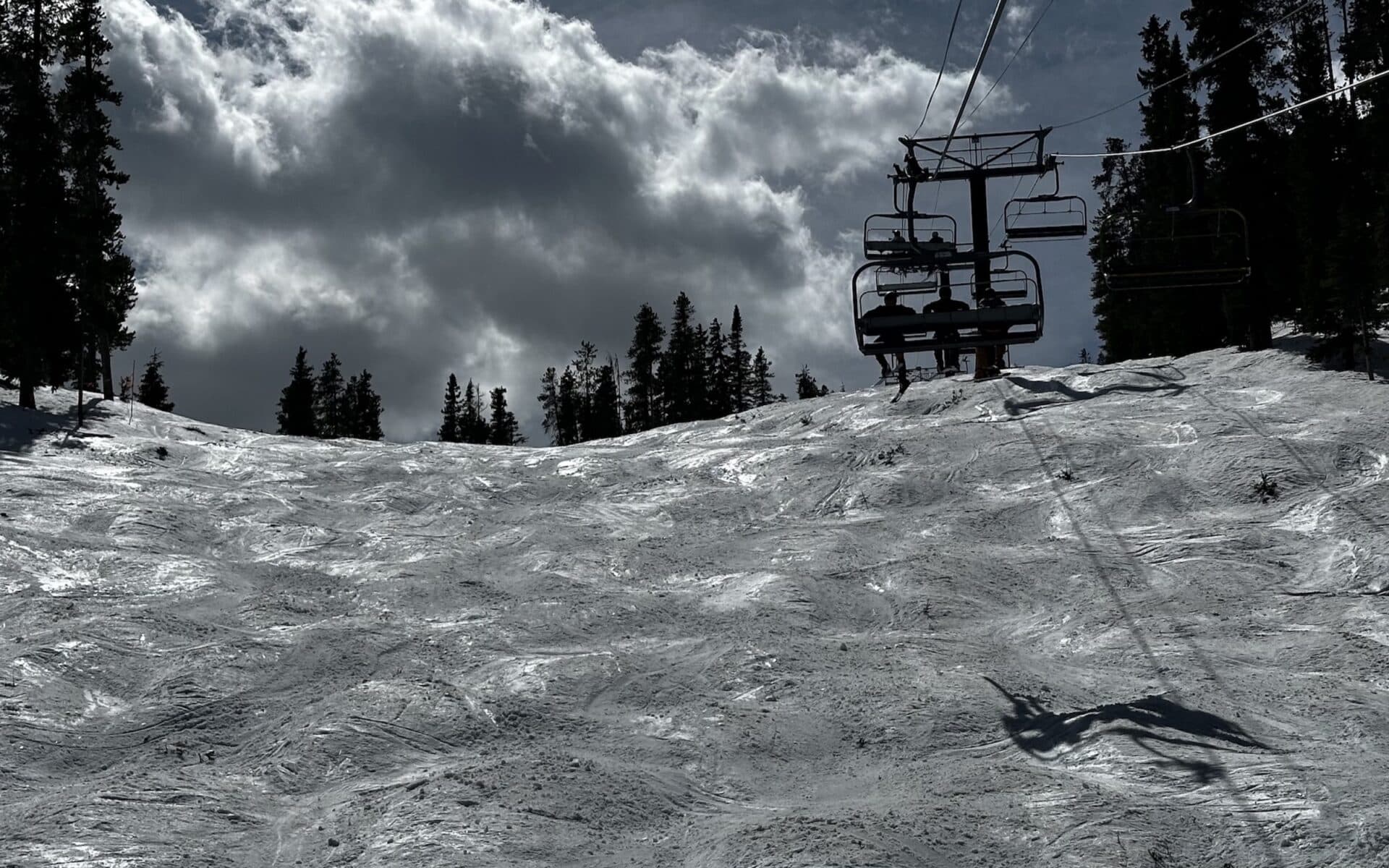
Low mountain snowpack has consequences that extend well beyond ski season. Snow acts as a natural reservoir that slowly releases water throughout the spring and summer. Researchers pointed to projections made by the US Bureau of Reclamation during the event that suggested Lake Powell could fall below the minimum level needed to generate hydropower under median conditions. The study also highlights increased risks for wildfire along with reduced water availability for agriculture, energy production, and cities.
The researchers estimate the missing snow volume across the western United States was about 40 cubic kilometers greater than would have been expected during a similarly rare event in the late 1800s. That amount exceeds the storage capacity of Lake Mead, the nation’s largest reservoir.
Severe snow droughts could become much more common
The study also looked ahead using a moderately high greenhouse gas emissions scenario. Researchers estimate that a snow drought comparable to the 2026 event has about a 10 percent chance of occurring each year during the 2020s. By the 2050s that probability rises to roughly 32 percent. By the 2090s it reaches 87 percent, meaning events of similar severity would become more common than not.
The authors stress these projections are not predictions but estimates based on current emissions pathways. They note that lower emissions would reduce the likelihood of future snow droughts.
