


A years long international investigation has ended with convictions in both the United States and Canada for three American hunters who illegally crossed the border into Canada’s Yukon Territory and killed two Dall sheep before bringing the animals back into Alaska.
The case involved an extensive partnership between American and Canadian law enforcement agencies and highlights the growing concern surrounding the protection of wildlife that moves freely across international boundaries.
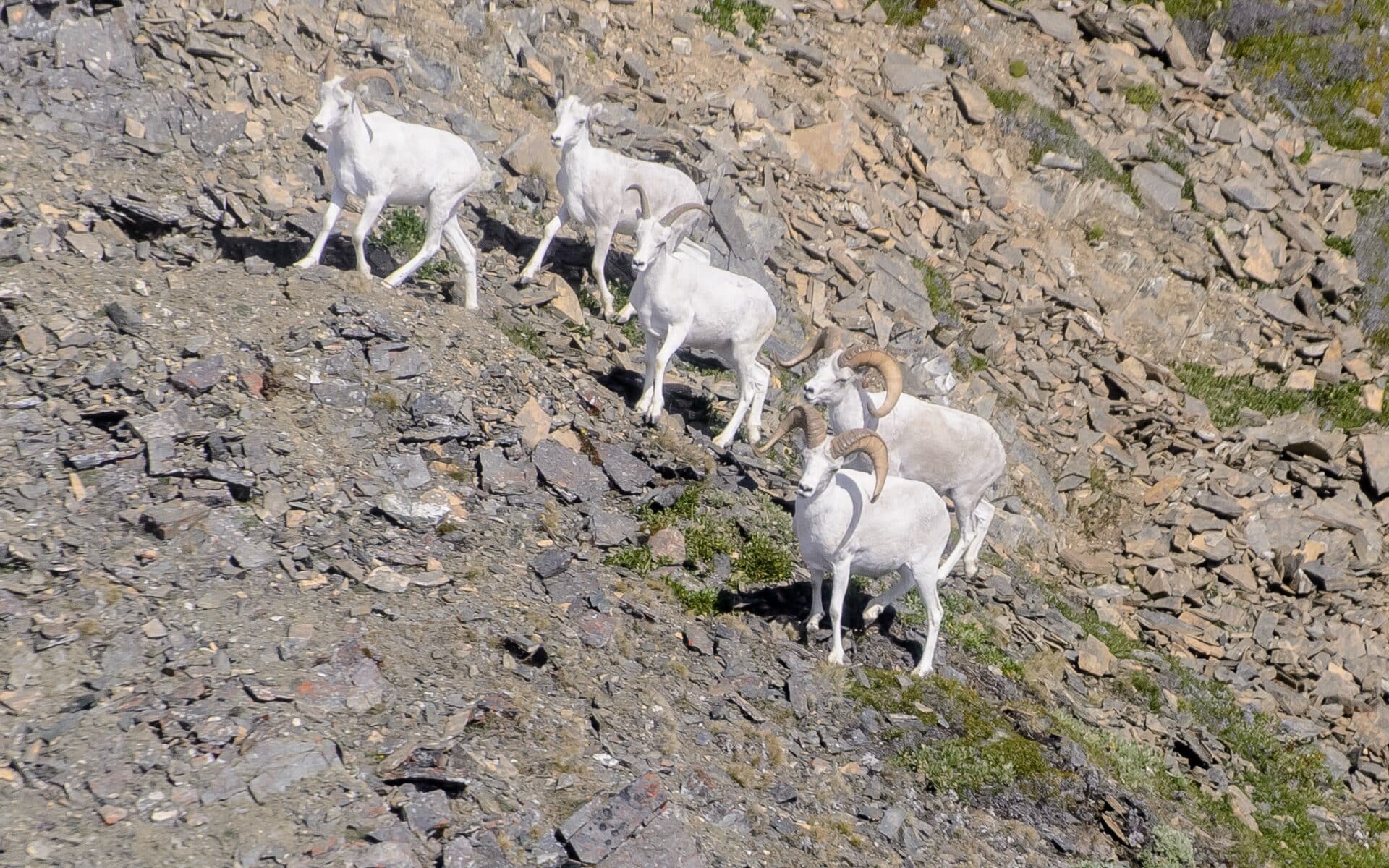
According to the National Park Service, the investigation centered on an illegal sheep harvest that began in August 2022 near the border between Wrangell-St Elias National Park and Preserve and the Yukon. Investigators determined that the hunters crossed into Canada without authorization, harvested two Dall sheep, then transported the animals back into the United States through the national park.
The convictions mark the conclusion of a complex case that required years of coordination between multiple agencies on both sides of the border.
Suspicious Hunting Activity Sparked Investigation
The investigation began after law enforcement rangers at Wrangell St Elias National Park and Preserve reported suspicious hunting activity near the international boundary in August 2022.
National Park Service Investigative Services Branch special agents worked alongside Alaska Wildlife Troopers, Yukon Conservation Officer Services, Parks Canada, Environment and Climate Change Canada, Alaska State Troopers, federal prosecutors in Alaska and Yukon Crown prosecutors to piece together what happened.
Investigators ultimately concluded that the three hunters illegally entered Canadian territory, harvested two Dall sheep in the Yukon, then transported the animals into the United States in violation of wildlife laws. Park officials said the case demonstrates how closely American and Canadian agencies work together when wildlife crimes cross international borders.
Acting Superintendent Joshua Scott said wildlife does not recognize political boundaries and protecting shared natural resources requires the same level of cooperation from law enforcement agencies.
Guilty Pleas in Both Countries
The three hunters pleaded guilty in courts in both Canada and the United States.
In Yukon Territorial Court they admitted to unlawfully harvesting the sheep. The court imposed fines, prohibited them from hunting for a period of time and ordered the forfeiture of seized property connected to the illegal hunt.
In the United States District Court for the District of Alaska the hunters pleaded guilty to Lacey Act violations involving the illegal import and transport of wildlife. Their sentences included probation, additional fines, and restitution payments. They also forfeited firearms, hunting equipment, and the illegally harvested sheep.

Seized Sheep Returned for Conservation and Education
Once the legal proceedings were complete the seized sheep horns were returned to the Government of Yukon in May 2026.
Officials said one set of horns will be used for wildlife education while the second set was donated to the National Park Service. The meat from the sheep was donated to the White River First Nation and money generated from the sale of the capes will support future conservation efforts.
Investigative Services Branch Chief Deb Flowers praised the collaboration between park rangers, special agents, Alaska Wildlife Troopers, Yukon Conservation Officer Services and other federal partners that brought the case to a successful conclusion.
The National Park Service said the outcome reinforces the importance of coordinated enforcement efforts in protecting wildlife populations that move across the Alaska and Yukon border. For hunters and outdoor recreationists, the case serves as a reminder that crossing international boundaries without authorization and violating wildlife regulations can result in criminal convictions in multiple countries along with substantial financial penalties and the loss of hunting privileges.