

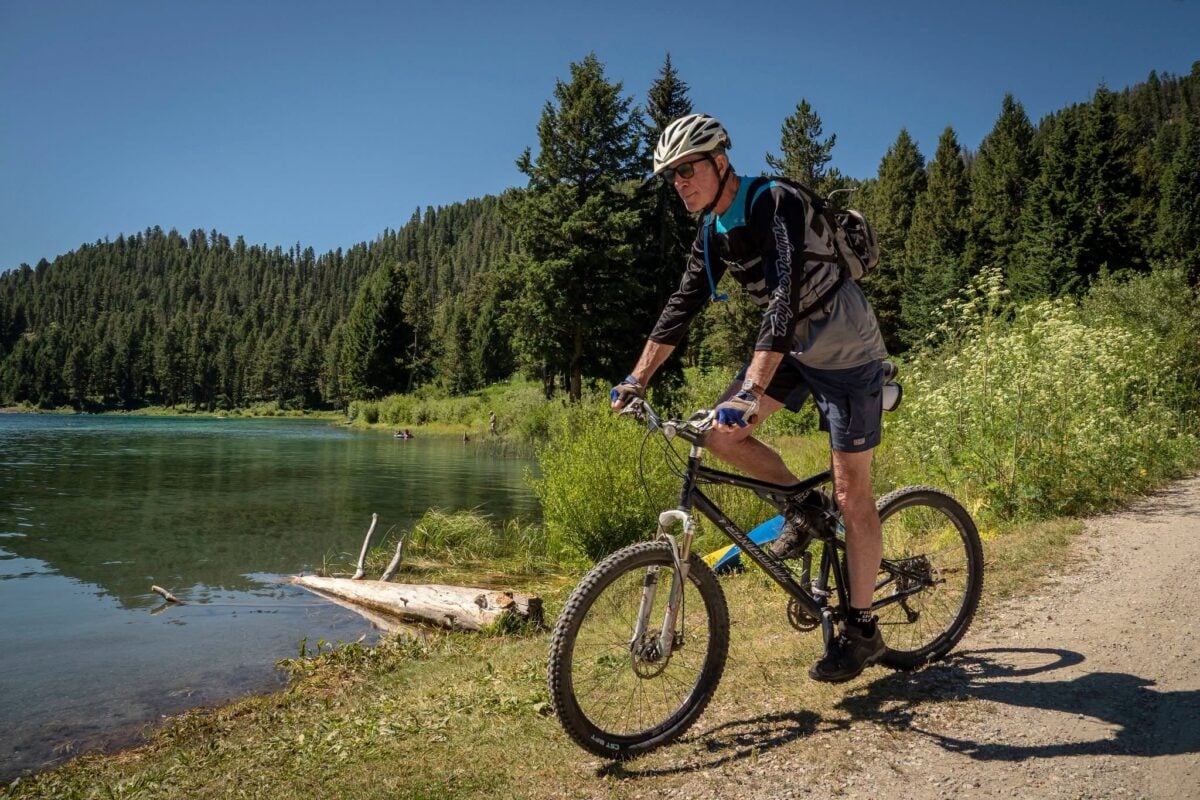
The Department of the Interior is seeking public input to identify locations for developing long-distance biking trails. The project is part as part of work implementing provisions of the Expanding Public Lands Outdoor Recreation Experiences Act.
The Biking on Long-Distance Trails Act (Section 121 of the EXPLORE Act) directs the Departments of Interior and Agriculture to identify no fewer than 10 long-distance biking trails that make use of existing trails and roads and no fewer than 10 areas where there is an opportunity to develop or complete future long-distance biking trails.
“By cutting red tape, harnessing the power of local partnerships, and utilizing existing infrastructure, this initiative will establish premier long-distance biking corridors that fuel local tourism while ensuring we remain responsible stewards of our nation’s abundant natural resources.” –Secretary of the Interior Doug Burgum. “

Members of the public are encouraged nominate trails and areas for consideration using the Bureau of Land Management’s web-based National Biking on Long-Distance Trails Act Nomination Tool. Trail and recreation managers, partner organizations, and other parties with an interest in biking on public lands are also asked to provide input. Nominations will be accepted through August 3rd, 2026.
Potential Trails Criteria:
- The trail is at least 80 miles long and publicly accessible.
- A majority of the trail is on federally managed public land (including lands managed by the Bureau of Land Management, U.S. Forest Service, National Park Service, U.S. Fish and Wildlife Service, and Bureau of Reclamation).
- The proposed route makes use of existing designated or otherwise officially available roads and trails.
- The trail is primarily on dirt or natural surface (short connector routes on paved or improved roads may be acceptable).
- The trail is open to bicycle use (not located within designated wilderness areas).
- The trail avoids conflicts with other trail uses, specifically other bicycling, hiking, horseback riding or pack and saddle stock uses; and purposes for which a trail was established under the National Trails System Act, if applicable.
- Ideally, nominated trails or areas have partner organizations or volunteer groups identified to assist with trail development and maintenance.
Nominations will then be evaluated to identify, develop and complete trails in a geographically equitable manner. The trail identification process will consider potential concerns related to management of all public land resources, including cultural resources, and sacred areas to ensure tribal interests are incorporated to the maximum extent practicable.
“Calling all bicyclists! The Forest Service and Department of Interior are seeking public input related to identifying and developing long-distance biking trails on federal lands. As part of the Biking on Long-Distance Trails Act, Section 121 of the EXPLORE Act, we are looking to identify long-distance biking trails that make use of existing trails and roads, and we are seeking nominations for opportunistic locations to develop or complete future long-distance biking trails.” -US Forest Service
About The Biking on Long-Distance Trails Act:
This bill establishes requirements related to long-distance bike trails.
The Department of the Interior and the Department of Agriculture (USDA) shall identify
- not fewer than 10 long-distance bike trails that make use of existing trails and roads, and
- not fewer than 10 areas in which there is an opportunity to develop or complete a trail that would qualify as a long-distance bike trail.
Interior and USDA shall
- develop a process to allow members of the public to comment regarding the identification of trails and areas; and
- consider the identification, development, and completion of long-distance bike trails in a geographically equitable manner.
The Department concerned shall ensure that each identified long-distance bike trail or area does not conflict with
- the uses of any trail or road that is part of that long-distance bike trail;
- multiple-use areas where biking, hiking, horseback riding, or use by pack and saddle stock are existing uses;
- the purposes for which any trail was or is established under the National Trails System Act; and
- any area managed under the Wilderness Act.
The Department concerned shall also ensure that each identified long-distance trail or area complies with land use and management plans of the federal recreational lands that are part of that long-distance bike trail.
