
Some mountains are off limits not because they are too dangerous to summit, but because governments, indigenous communities, and religious traditions have decided they should remain untouched. YouTuber Curiosity Dude broke down nine peaks around the world that climbers cannot legally or culturally access in a recent video, including discussing exactly why climbing them is banned.
The list features mountains on six continents and covers a wide range of restrictions. In Colombia, Pico Simon Bolivar sits on indigenous sacred land where outside access requires tribal permission that is rarely granted. In the Himalayas, Kangchenjunga stands as the third highest mountain on Earth yet most climbers voluntarily stop just short of the true summit out of respect for local spiritual traditions dating back to the first ascent in 1955.
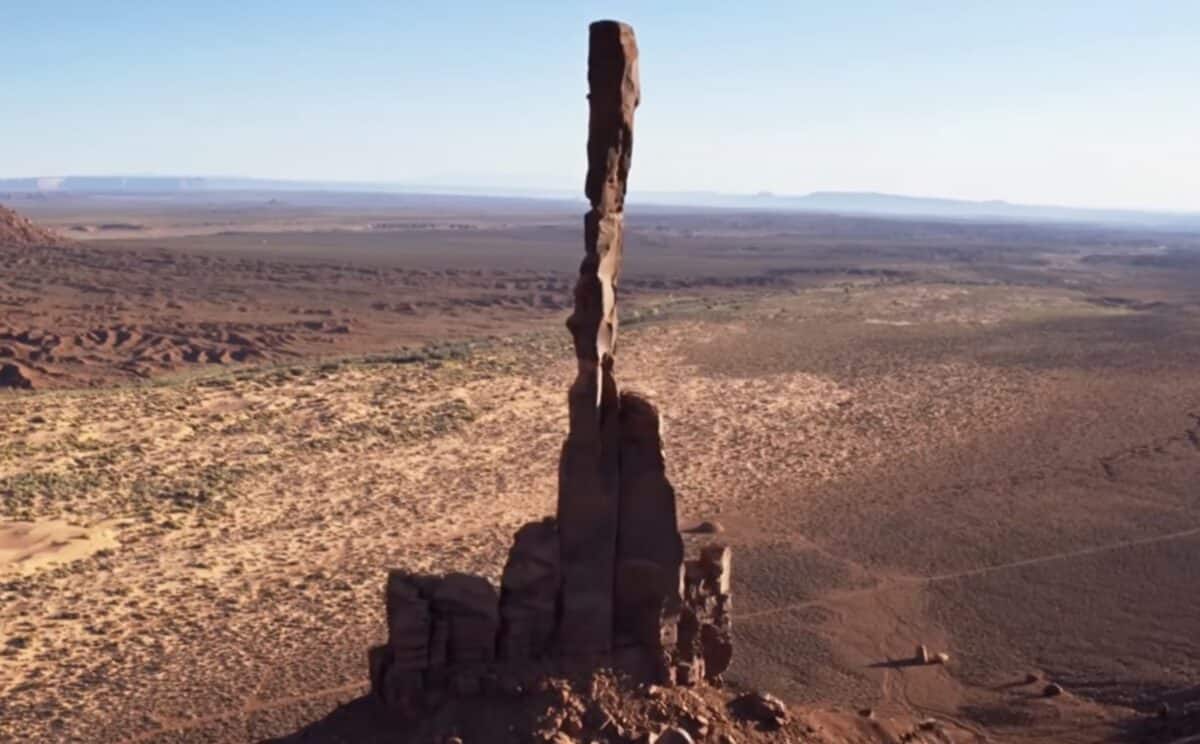
Monument Valley’s Totem Pole sandstone spire has been closed to climbers since the mid-1970s, with a film crew working on a Clint Eastwood movie reportedly the last group ever permitted on top, while Australia’s Big Ben volcano on Heard Island has seen only three successful summits in recorded history due to its UNESCO-protected status and extreme remoteness.
Finishing off the list are Cheyenne Mountain in Colorado, which houses a hardened NORAD command center inside solid granite, Soufriere Hills in Montserrat, whose ongoing eruptions buried the island’s capital city, Mount Merapi in Indonesia, Mantap Mountain in North Korea, site of the country’s nuclear weapons testing program, and Mount Paektu, also in North Korea, which the government has mythologized as the birthplace of Kim Jong-il.