

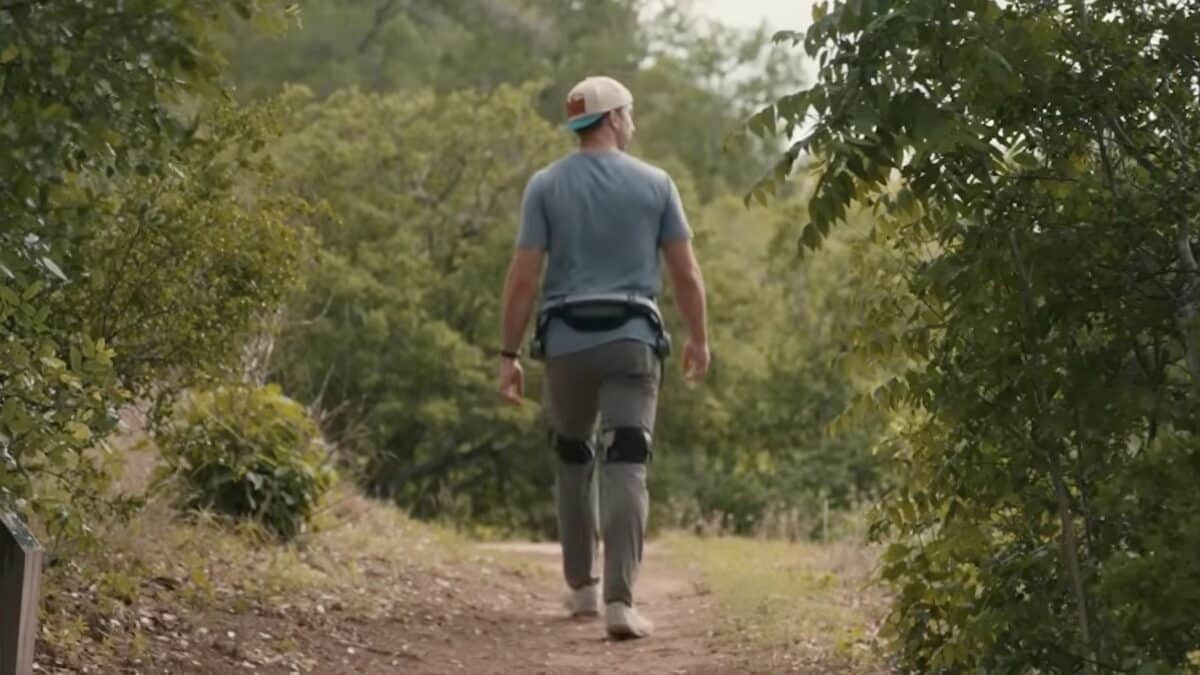
A new wave of wearable technology called “e-hiking” is dividing the outdoor community, and the conversation is just getting started. Devices like the Hypershell exoskeleton strap onto your waist and assist your legs on the trail, promising a 22% reduction in heart rate and a 20% reduction in oxygen consumption. Chris, the founder of Greenbelly Meals, recently tested one out and shared his take in the video below.
Critics argue the devices undermine the whole point of hiking, with some calling for outright bans, but a significant number of users are people with disabilities and older hikers who say the technology has given them their mobility back. One user reported taking a 6 km walk with no stopping after years of being sidelined by rheumatoid arthritis.
The debate fits into a broader pattern of technology clashing with outdoor culture. Drones were banned from national parks in 2014. Ebikes launched years of debate and litigation over access to non-motorized trails. Navigation apps like Far Out replaced paper guidebooks and eventually won people over. Each time, the outdoor community wrestled with the question of when helpful gear crosses a line.
The Hypershell operates quietly enough that it probably would not disturb other hikers, but it may qualify as motorized transport under the Wilderness Act, the same law used to challenge ebike access. China has already started renting exoskeletons at trailheads, with over 200 users in the first week, half of them senior citizens.
Personally I see these exoskeletons as extremely helpful devices for those with disabilities or elderly hikers, but I personally think I’ll have a hard time respecting someone who’s perfectly able to hike a mountain using one of these simply to make the hike easier. It begs the question, do we hike for the challenge or just to reach the top?