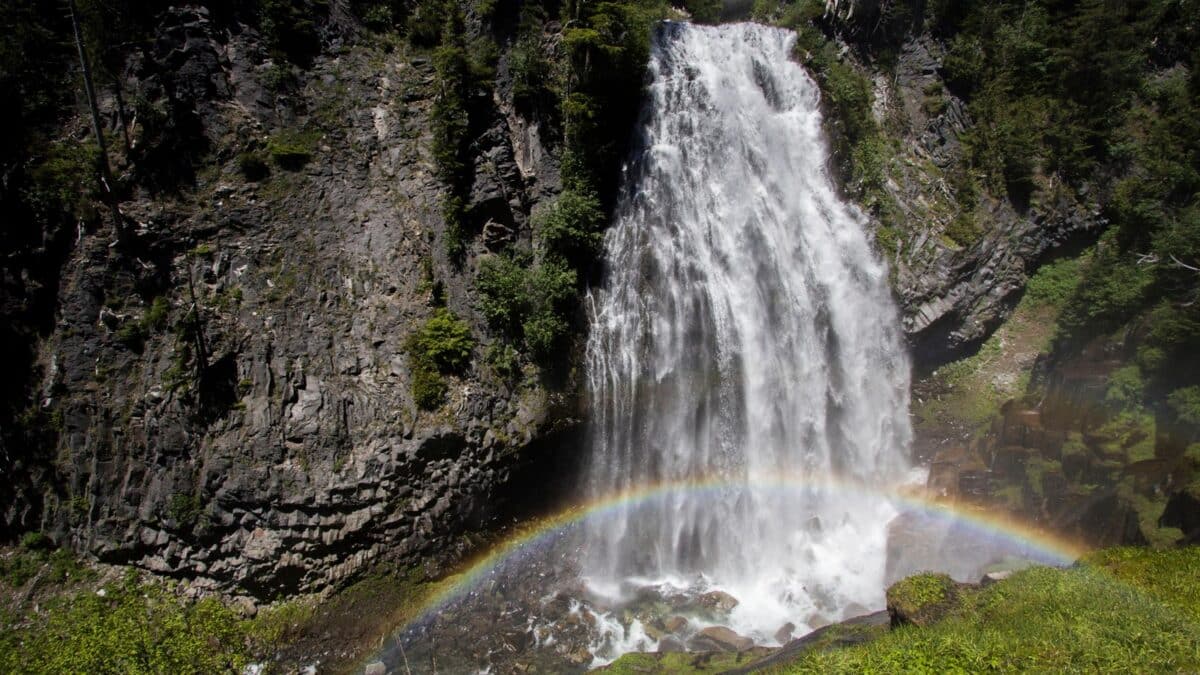
Washington State — Starting Monday, April 13, Mount Rainier National Park’s Paradise and Narada Falls areas will have no water or flush restrooms available due to essential repairs of the water main.
The water outage will start at 7:00 am, Monday, April 13, and is expected to last until Thursday, April 16, at 7:00 am. Once water is restored, non-potable water for flush restrooms will be available, but it will take at least 48 hours for the system to be flushed and retested for potable water. Drinking water is expected to be available starting Saturday, April 18.
Rangers at Mount Rainier ask visitors to plan ahead to avoid unnecessary complications. Porta-potties will be available at Paradise and Narada Falls during the outage. The closest flush restrooms are in Longmire. If you plan on visiting the areas of Paradise and Narada Falls, bring your own drinking water and don’t expect to have refill stations available.
The Jackson Visitor Center at Paradise will be open on Monday, 10:00am – 4:00 pm. The visitor center is normally closed Tuesday-Thursday and there are no other services open at Paradise during this time of the year. Water and food are available at the National Park Inn in Longmire, open daily.
About Mount Rainier’s Water Supply:
The loss of perennial snowfields during the past thirty years, combined with the potential for lower annual snowpack and increased air temperatures, is decreasing water supplies.
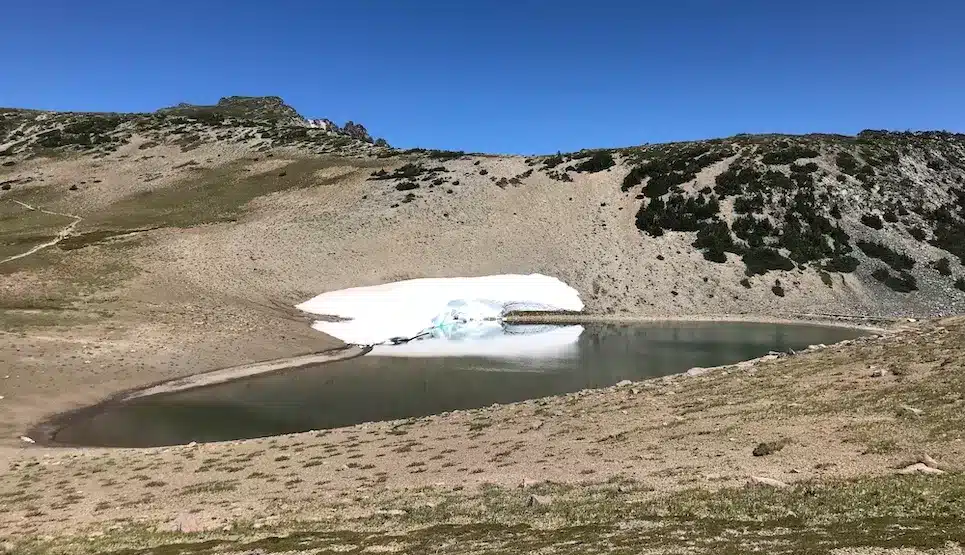
Mount Rainier National Park’s water supply primarily depends on streams and lakes fed by snowmelt and perennial snowfields. For example, the water at Sunrise comes from Frozen Lake, entirely fed by snowmelt. Warming temperatures correspond with shifts from solid to liquid precipitation (more rain, less snow) resulting in earlier snowmelt. This means there is less water later in the summer.
Park visitation is increasing, putting more pressure on the limited park water supplies. While Mount Rainier National Park is taking steps to develop a range of water supply options and park management strategies to adapt to climate change, please do your part when visiting by not wasting water.
Please Help Conserve Water @ Mount Rainier National Park
When you visit the park:
- Fill up reusable water bottles before you arrive and bring sufficient water for everyone. This is smart not only to help conserve park water supplies but also for personal health and safety. Most park locations do not have water for sale.
- Reusable water bottles are available at the Longmire General Store, the Paradise Camp Deli at the Jackson Visitor Center, the Tatoosh Café at the Paradise Inn, and the Sunrise Day Lodge. Some facilities are only open during the summer; check Operating Hours when planning a visit.
- Water fountains, available during the summer season only, are located at:
- Longmire, near the Wonderland Trailhead.
- Paradise, next to the plaza restrooms and inside the Jackson Visitor Center (open year-round).
- Sunrise, near the flagpole.
- Ohanapecosh, next to the visitor center and in the Ohanapecosh Campground.
- White River Campground, including by the day use parking area.
- Cougar Rock Campground.
- Box Canyon, by the viewpoint parking area.
- Grove of the Patriarchs, next to the trailhead.
- Some picnic areas.
- Use a vault toilet. Vault toilets don’t require water. They are located at Carbon River Entrance, Mowich Lake Entrance/Paul’s Peak Trailhead, Mowich Lake, Kautz Creek, Grove of the Patriarchs Trailhead, Tipsoo Lake, and at Sunrise east of the day lodge.
- Stop leaks. If you see a leaky faucet or water line in the park, please let park staff know.
- Don’t flush trash. Every time a cigarette butt, facial tissue, or other trash gets flushed, water is wasted—between 1.5 gallons with a low-flow toilet to up to 7 gallons for older models.
If you are staying overnight:
- Turn off the water while brushing your teeth. This alone saves three gallons of water per day.
- Take shorter or fewer showers and minimize baths. Even a one- or two-minute reduction in showers can save up to 700 gallons of water per month. A full bath can use between 30 to 50 gallons.
- Use dish washing water (remove food particles) or capture bathing water to douse campfires.