

The Utah Department of Transportation temporarily closed several popular backcountry recreation areas above Little Cottonwood Canyon on Monday, October 19, while crews used helicopters to service remote-controlled avalanche mitigation equipment ahead of the 2026-27 ski season.
The closure affected the south ridge of Mount Superior, the ridgeline extending toward Cardiff Peak and Cardiff Pass, and terrain beyond East Hellgate. Restrictions began at midnight and were scheduled to remain in effect until 5 p.m. Monday, temporarily limiting access to some of the Wasatch Mountains’ most recognizable backcountry terrain.
Little Cottonwood Canyon Road, which provides access to Alta and Snowbird ski resorts, remained open during the operation. The restrictions applied to designated backcountry areas where crews were working.
Helicopter Operations Above Little Cottonwood Canyon
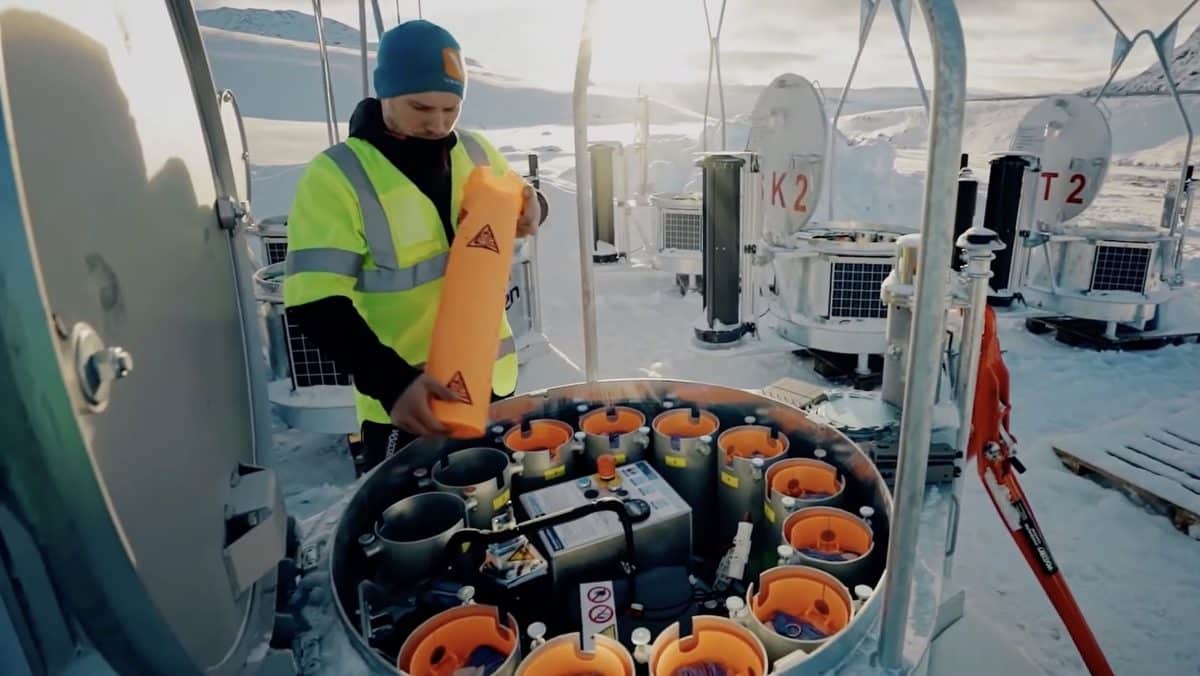
The work involved UDOT’s network of remotely operated avalanche-control towers, which are installed on steep slopes above State Route 210 to reduce the risk of avalanches reaching the highway.
UDOT spokesperson John Gleason told KSL that crews were servicing the stationary towers and preparing their explosive charges for winter. Approximately 20 towers have been installed in the canyon as part of an ongoing effort to modernize avalanche mitigation.
The systems allow avalanche professionals to trigger controlled slides remotely rather than traveling into hazardous terrain or relying on artillery fired from positions elsewhere in the canyon.
Monday’s work was the latest in a series of preseason operations. UDOT also temporarily restricted access to the Upper North Side of Little Cottonwood Canyon on October 7 while crews conducted helicopter-supported work on avalanche-control equipment.
The department has used helicopters for tower installation, maintenance and restocking explosive charges in terrain that can be difficult or dangerous to reach on foot.
Replacing Military Artillery With Remote Avalanche Control
The remote-controlled equipment is part of a larger effort to move away from the military howitzers historically used to protect Little Cottonwood Canyon Road.
For decades, avalanche crews relied on artillery to deliberately release unstable snow before it could slide naturally onto the highway. Although effective, the method required firing live explosive projectiles into steep mountain terrain, sometimes over developed areas.
In 2024, UDOT began installing 16 Wyssen Avalanche Towers along the Mount Superior ridgeline. The remotely operated systems use explosive charges suspended above the snowpack to initiate controlled avalanches.
The work was part of a broader transition that included the retirement of Alta’s historic howitzer avalanche gun, which had been used for avalanche mitigation for decades.
Unlike artillery, the towers can be activated remotely during storms and other periods when direct access to avalanche starting zones would be dangerous.
The equipment also allows crews to target specific avalanche paths without firing projectiles across the canyon.
Keeping the Road to Alta and Snowbird Open
Avalanche mitigation is essential in Little Cottonwood Canyon, where steep mountains rise directly above the highway serving two of Utah’s best-known ski resorts.
According to UDOT’s avalanche safety information, the canyon contains 64 identified avalanche paths, and more than half of State Route 210 is exposed to avalanche hazards. More than 50 buildings are also located in potential avalanche paths.
During major winter storms, avalanche danger can force UDOT to close the highway while crews conduct mitigation work, temporarily cutting off access to Alta, Snowbird and nearby residences.
Remote avalanche-control systems are intended to make those operations safer and more efficient, although highway and backcountry closures will still be necessary when conditions warrant.
Monday’s closure was a scheduled preseason equipment operation, not a response to an active avalanche emergency. The work was intended to ensure the systems are ready when substantial winter snowfall arrives.
UDOT encourages anyone planning to recreate in the Cottonwood Canyons to check its current road restrictions and avalanche-related closures before traveling.
With both Alta and Snowbird preparing for their winter openings, the latest operation is another reminder that extensive work takes place above Little Cottonwood Canyon before the first chairlifts begin turning.
