

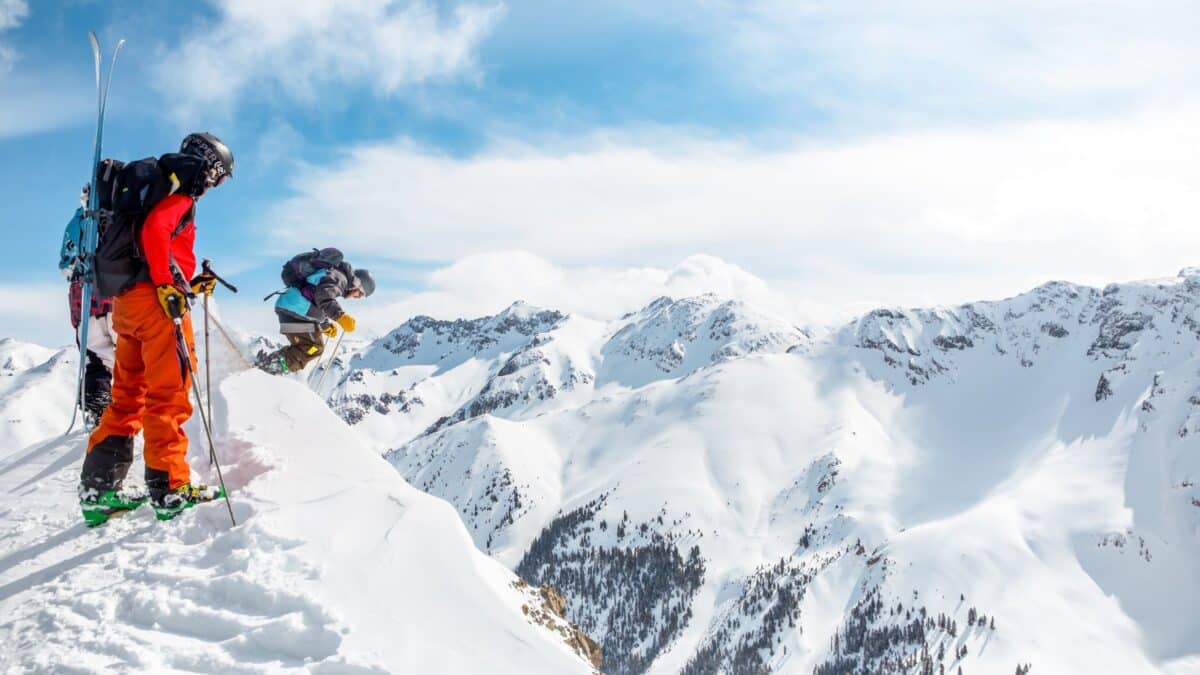

From skiing an active volcano in Japan to riding a single chairlift into Colorado’s San Juan Mountains, these ski areas are a long way from heated lifts and slopeside sushi.
Heated chairlifts. Flawless corduroy. Luxury base villages. Slopeside sushi. The modern ski resort has gotten very, very comfortable.
But there are still places where skiing feels like an actual adventure.
Some of these mountains have almost no groomed trails. Others require avalanche gear just to get on the lift. One sits above the Arctic Circle. Another is in an Alaskan city you can’t drive to.
For skiers who like their mountains unpolished, these ten are some of the wildest lift-accessed skiing anywhere on earth.
1. La Grave, France
La Grave might be the closest thing to a ski resort that isn’t actually a ski resort.
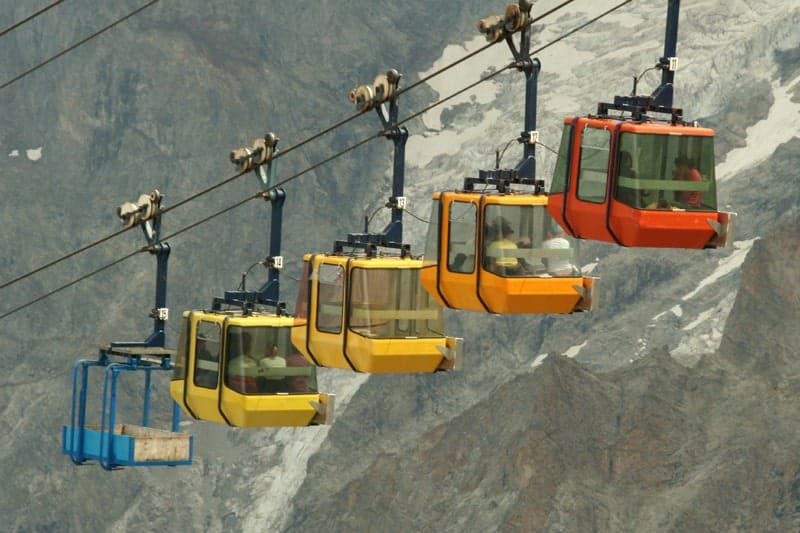
A distinctive cable car hauls skiers to roughly 10,500 feet beneath the towering peaks of the French Alps. From there it’s glaciers, steep couloirs, wide snowfields and raw alpine terrain in every direction.
Apart from a limited marked area on the glacier, the mountain is ungroomed, unmarked and unsecured against avalanches. Depending on conditions, a single descent can cover more than 7,000 vertical feet.
There’s no sprawling base village and no network of perfect groomers. La Grave is a place where the mountain dictates the experience.
Hiring a qualified guide is strongly recommended.
What makes it wild: More than 7,000 feet of largely untamed vertical.

Official website: La Grave
2. Silverton Mountain, Colorado, USA
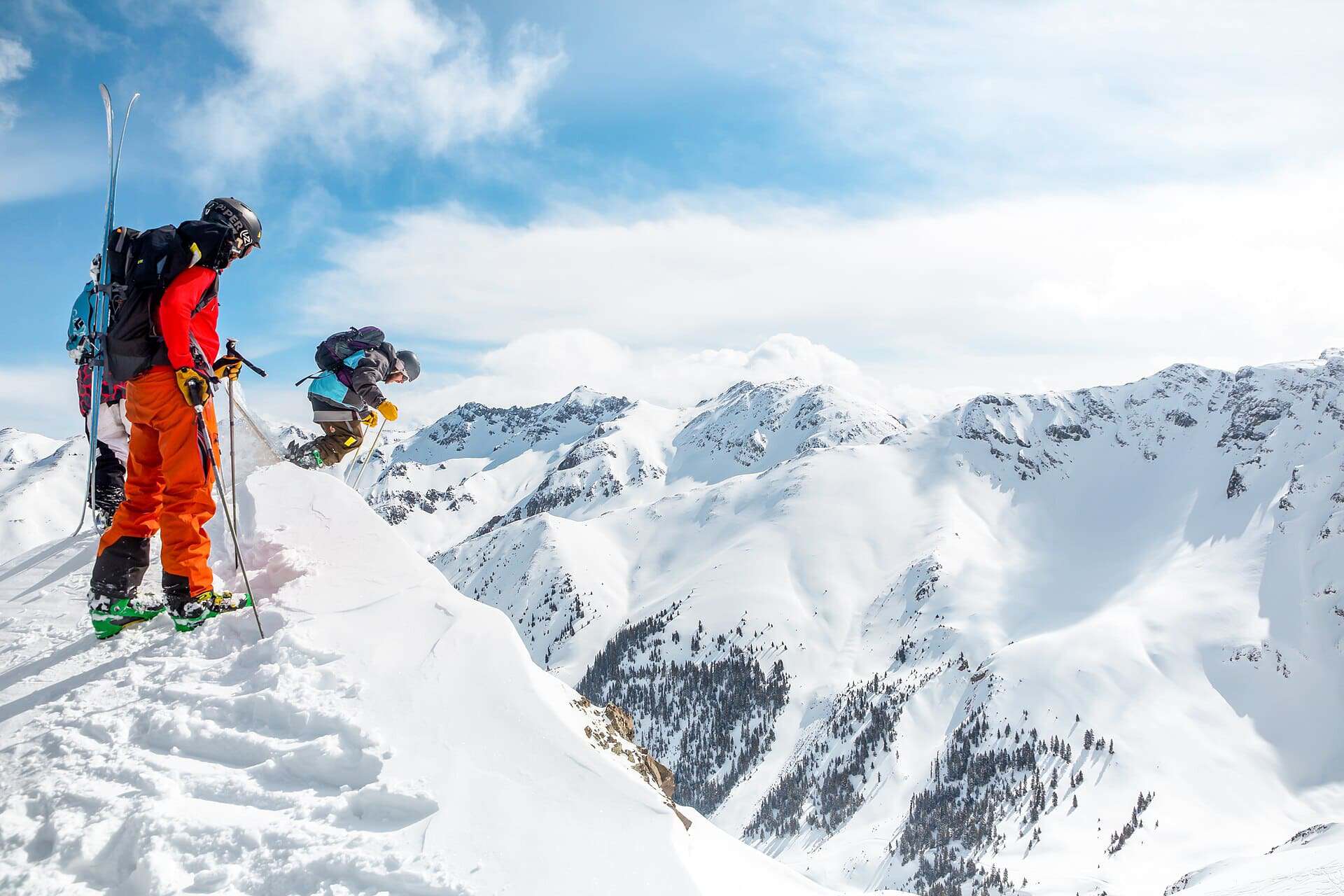
Tucked into Colorado’s San Juan Mountains, Silverton Mountain built an international reputation on a beautifully simple formula: one double chairlift and a whole lot of mountain.
The lift unloads at 12,300 feet, beneath a summit that tops out at 13,487. There are no beginner runs, no groomers and no base village.
Much of the winter runs as guided-only skiing, with unguided access during a designated spring season. Avalanche transceivers, shovels and probes are mandatory for everyone riding the chair.
Silverton is about as close as American resort skiing gets to the backcountry.
What makes it wild: One double chairlift accessing nothing but advanced and expert terrain.
Official website: Silverton Mountain
3. Gulmarg, Kashmir, India
High in the mountains of Kashmir sits one of the most extraordinary ski destinations in Asia.
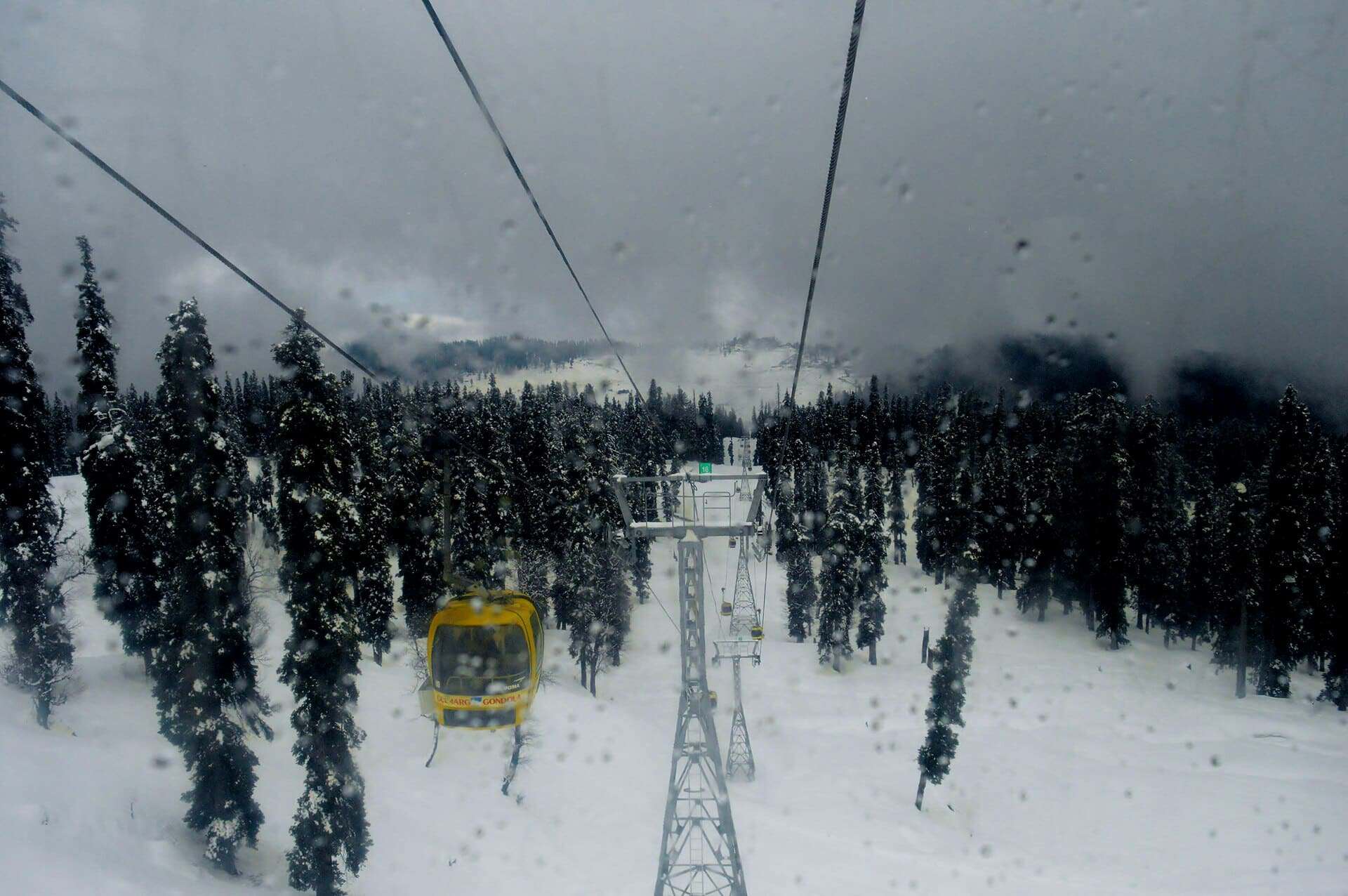
The Gulmarg Gondola carries skiers to nearly 13,100 feet, opening up enormous alpine snowfields ringed by Himalayan peaks. The scale of it makes most ski resorts look like toys.
Gulmarg has a long-standing reputation among powder skiers for its high-elevation terrain and vast off-piste, though avalanche danger and extreme mountain weather are serious concerns.
Worth noting: the U.S. State Department advises against travel to Jammu and Kashmir, including Gulmarg, due to security risks.
What makes it wild: Lift-accessed Himalayan skiing above 13,000 feet.

More information: Kashmir Tourism
4. Craigieburn Valley, New Zealand
New Zealand’s club fields are among the most wonderfully unconventional ski areas on earth, and Craigieburn Valley is the poster child.
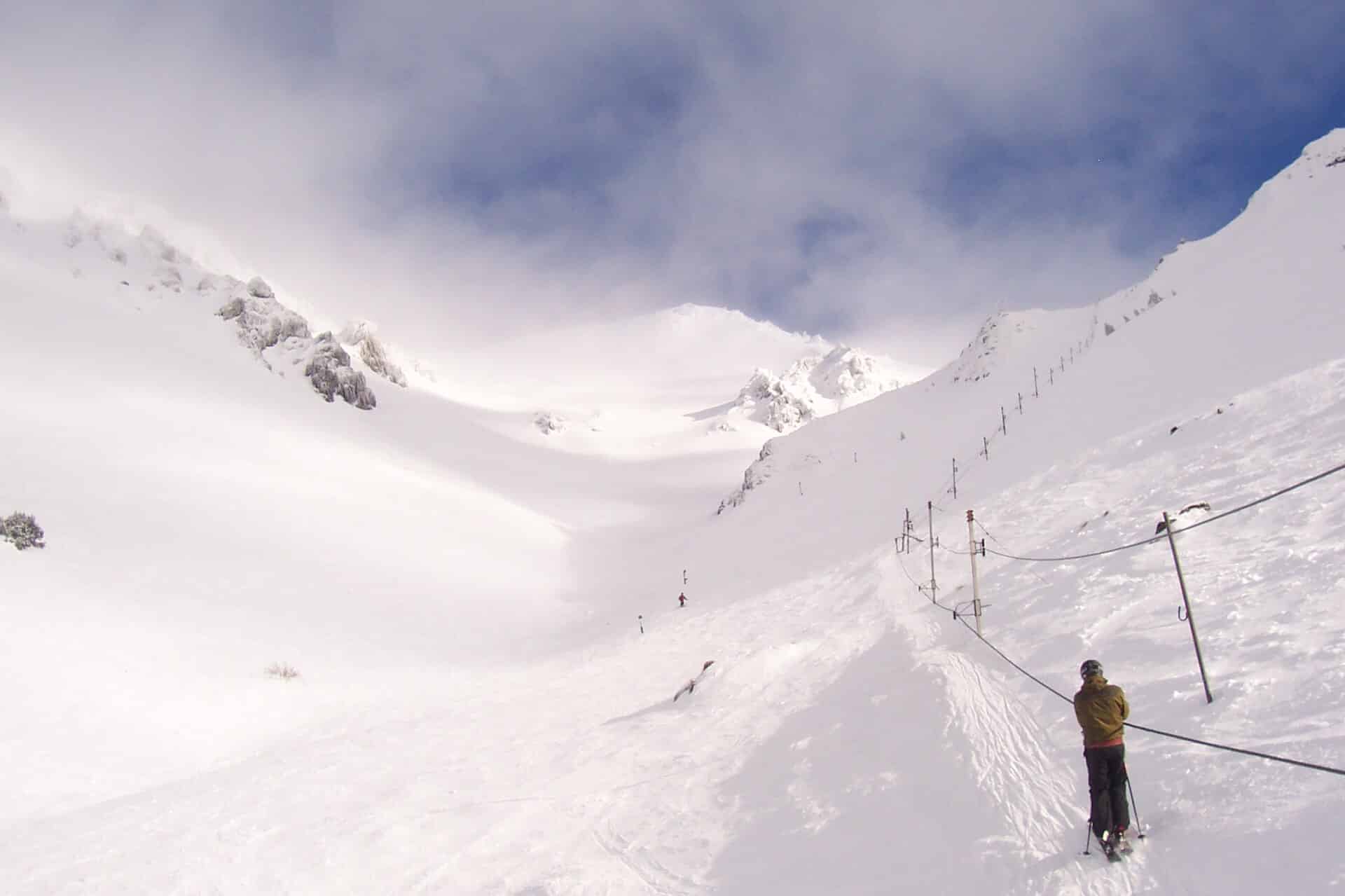
Set in the Southern Alps of the South Island, Craigieburn has no groomed runs and no conventional chairlifts.
Instead you get up the hill on three rope tows, gripped with a piece of hardware called a nutcracker.
The payoff is roughly 1,640 vertical feet of natural terrain: steep basins, tight chutes and wide-open bowls.
If you think modern resorts have gotten a little too polished, Craigieburn is the antidote.
What makes it wild: No chairlifts, no grooming and a club-skiing culture that hasn’t changed much in decades.

Official website: Craigieburn Valley
5. Eaglecrest Ski Area, Alaska, USA
Getting to Eaglecrest is an adventure before you ever click in.
The ski area sits near Juneau, a state capital with no road connection to the rest of the North American highway network. You arrive by plane or by boat.
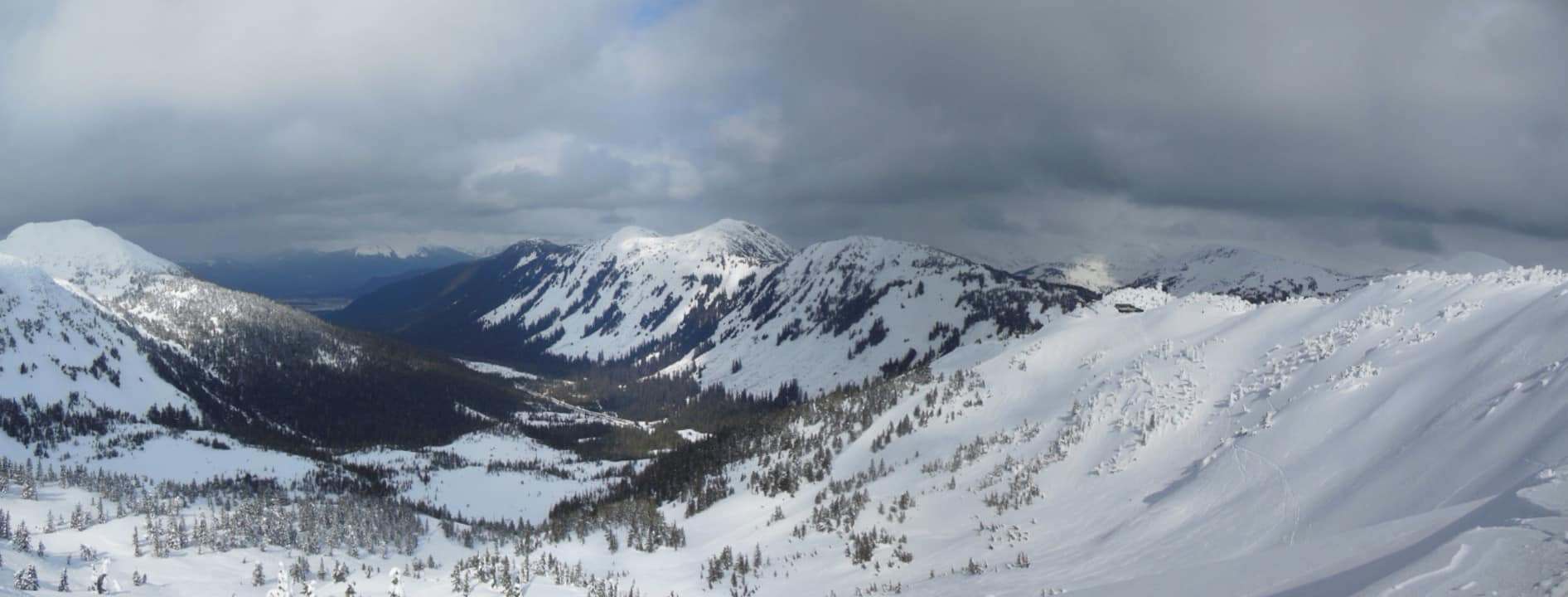
Once there, you get more than 640 acres, 1,620 feet of vertical, classic double chairs and views across the Alaskan wilderness.
Eaglecrest also opens onto a huge amount of backcountry terrain beyond the boundary.
What it lacks in luxury it more than makes up for in character.
What makes it wild: A remote Alaskan ski area surrounded by mountains and coastal wilderness.

Official website: Eaglecrest Ski Area
6. Tetnuldi, Georgia
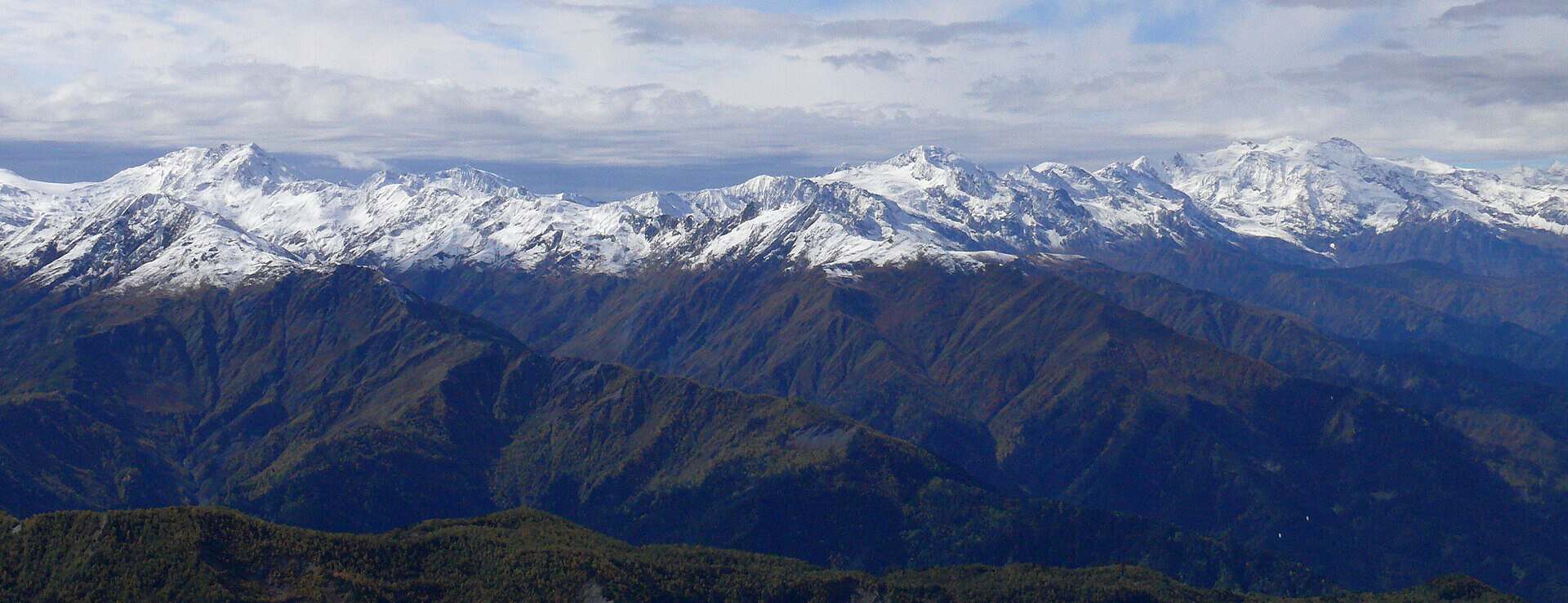
In the remote Svaneti region of Georgia, Tetnuldi sits among the big peaks of the Greater Caucasus.
The lifts climb past 10,300 feet into wide-open, largely treeless alpine terrain.
Tetnuldi has hosted Freeride World Tour qualifiers, which has pulled international attention toward a region most North American skiers have never heard of.
Off the hill, Svaneti is known for its medieval stone towers, old villages and seriously dramatic mountain scenery.
It feels about as far from Vail or Park City as a ski trip can get.
What makes it wild: Expansive freeride terrain in the remote Caucasus.

More information: Georgia Tourism
7. Las Leñas, Argentina
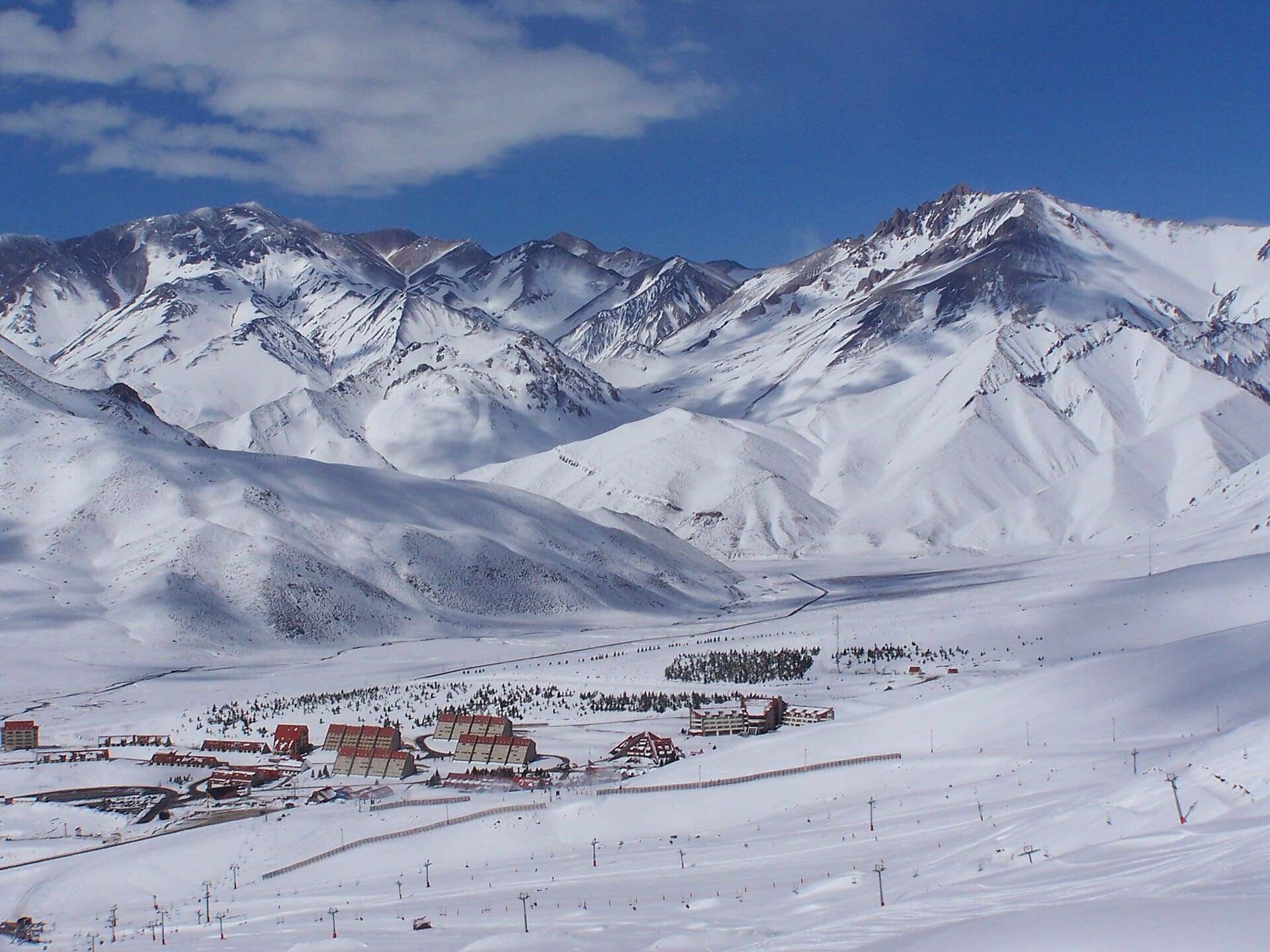
Deep in Argentina’s Andes, Las Leñas holds some of the most impressive lift-accessed big-mountain terrain in the Southern Hemisphere.
The resort tops out around 11,253 feet with nearly 3,900 feet of vertical. The landscape is vast and treeless: steep couloirs, huge powder bowls, rocky ridgelines and enormous alpine faces.
The crown jewel is the legendary Marte chairlift. When weather and avalanche conditions let it spin, Marte serves up the kind of freeride terrain that would require a helicopter almost anywhere else.
Wind, snow and avalanche danger can keep it shut for days at a time. But when Marte opens after a big storm, Las Leñas is as good as skiing gets.
For serious big-mountain skiers, it’s a bucket-list trip.
What makes it wild: The Marte chair and endless rugged Andean freeride terrain.

Official website: Las Leñas
8. Asahidake, Japan
Deep Japanese powder, on the slopes of an active volcano.
That’s Asahidake.
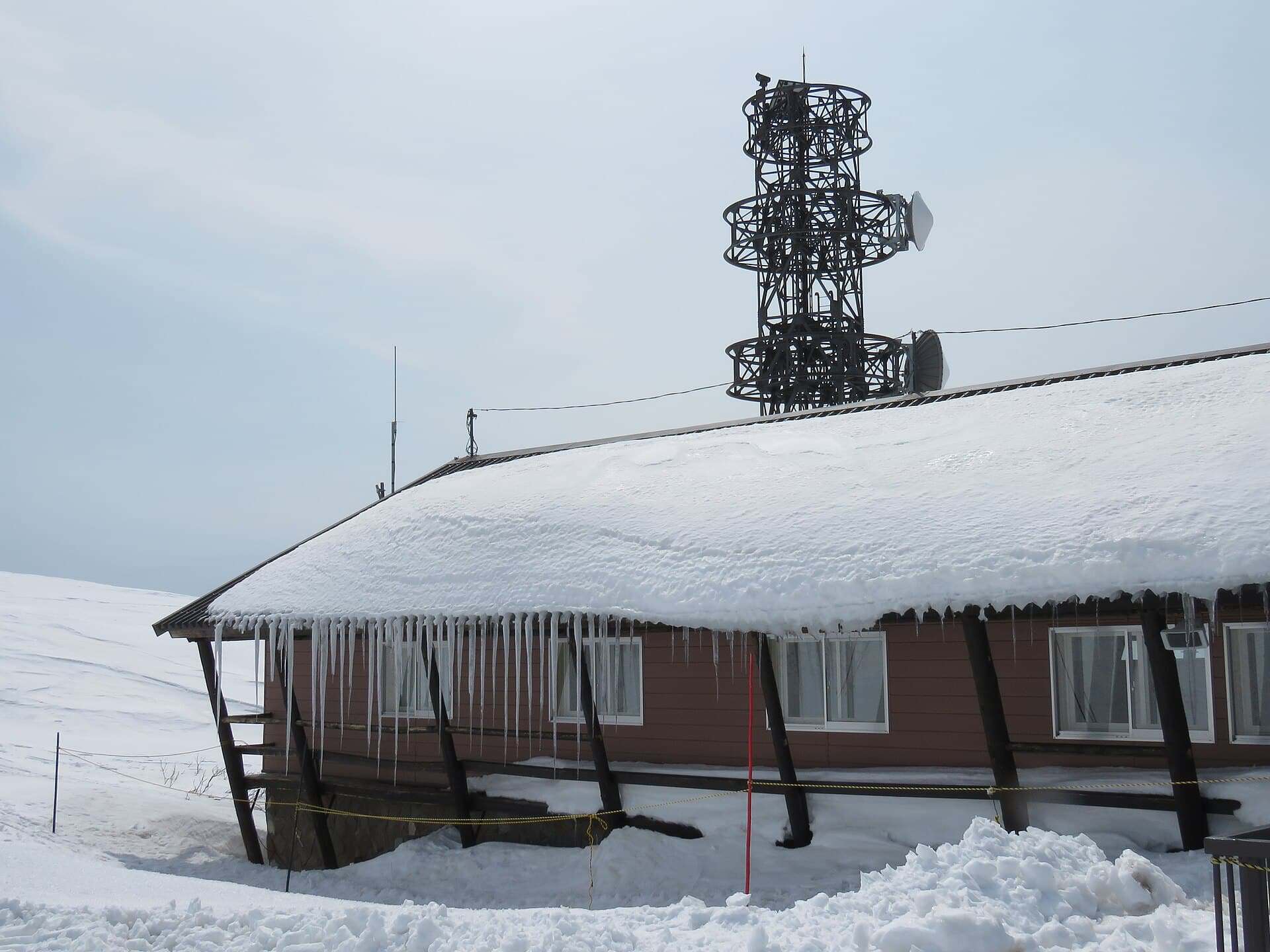
Inside Daisetsuzan National Park, Asahidake is the highest mountain on Hokkaido. A ropeway lifts visitors to roughly 5,250 feet, where volcanic terrain, steaming fumaroles and absurdly snowy forests make for a landscape you don’t forget.
There are marked ski courses, but this is not run like a conventional resort. Rescue services outside the courses are limited, and the weather can turn navigation into a genuine problem in minutes.
Best left to properly equipped skiers with the right experience and local guidance.
What makes it wild: Powder skiing on an active Japanese volcano.

Official website: Asahidake Ropeway
9. Riksgränsen, Sweden
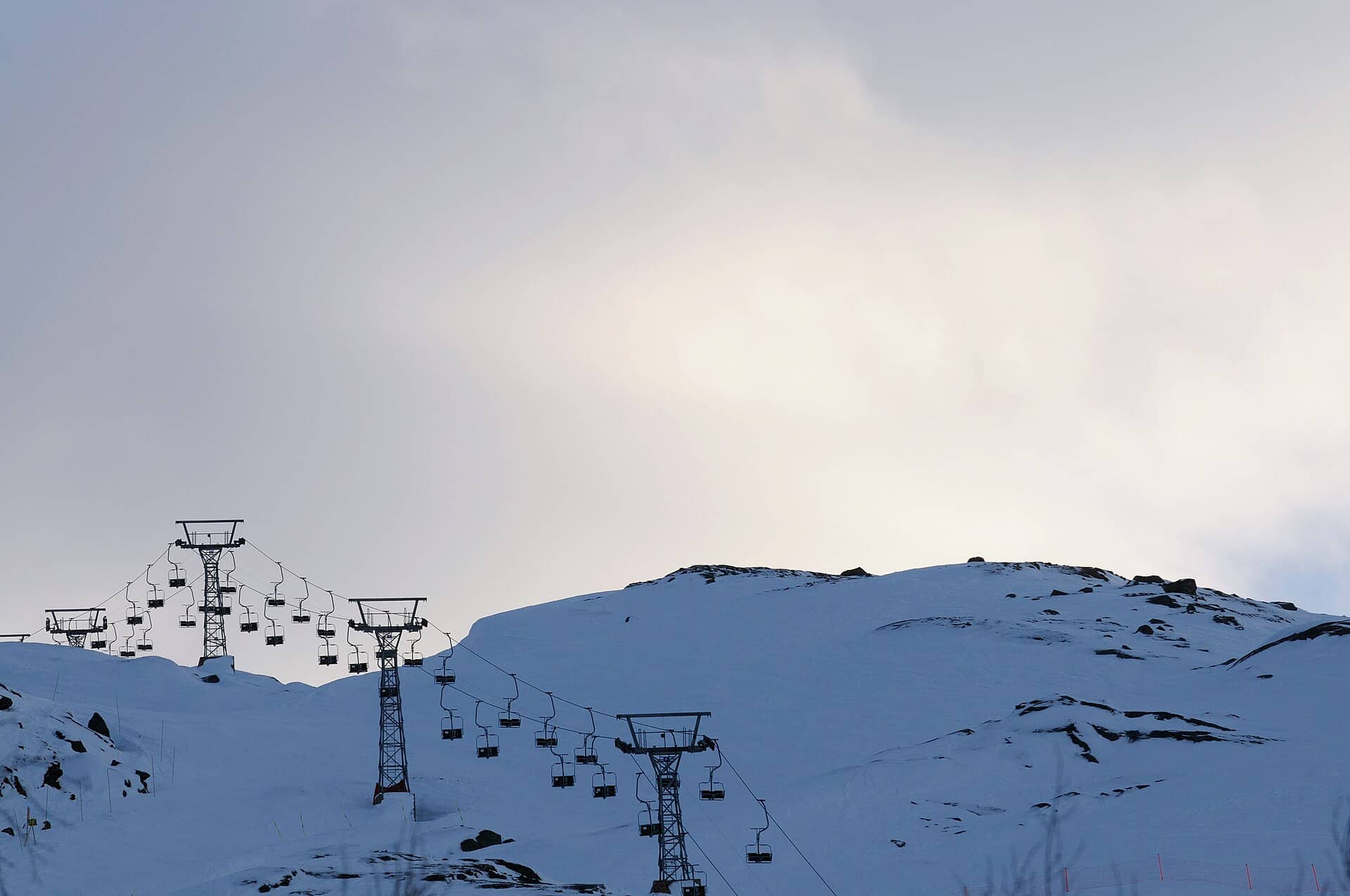
Roughly 125 miles north of the Arctic Circle, Riksgränsen offers a season unlike anywhere else.
The mountain is known for heavy snowfall, natural terrain features, wide-open slopes and a lot of off-piste.
But the real draw is spring.
While North American resorts are shutting down for the summer, Riksgränsen is heading into the stretch of the year when the sun barely dips below the horizon.
In late spring you can ski into the evening under the light of the Arctic.
What makes it wild: Skiing above the Arctic Circle under the midnight sun.

Official website: Riksgränsen
10. Chamonix, France
No list of the world’s wildest skiing is complete without Chamonix.
Sitting beneath Mont Blanc, Chamonix has been the gathering place for the world’s best skiers, climbers and alpinists for generations.
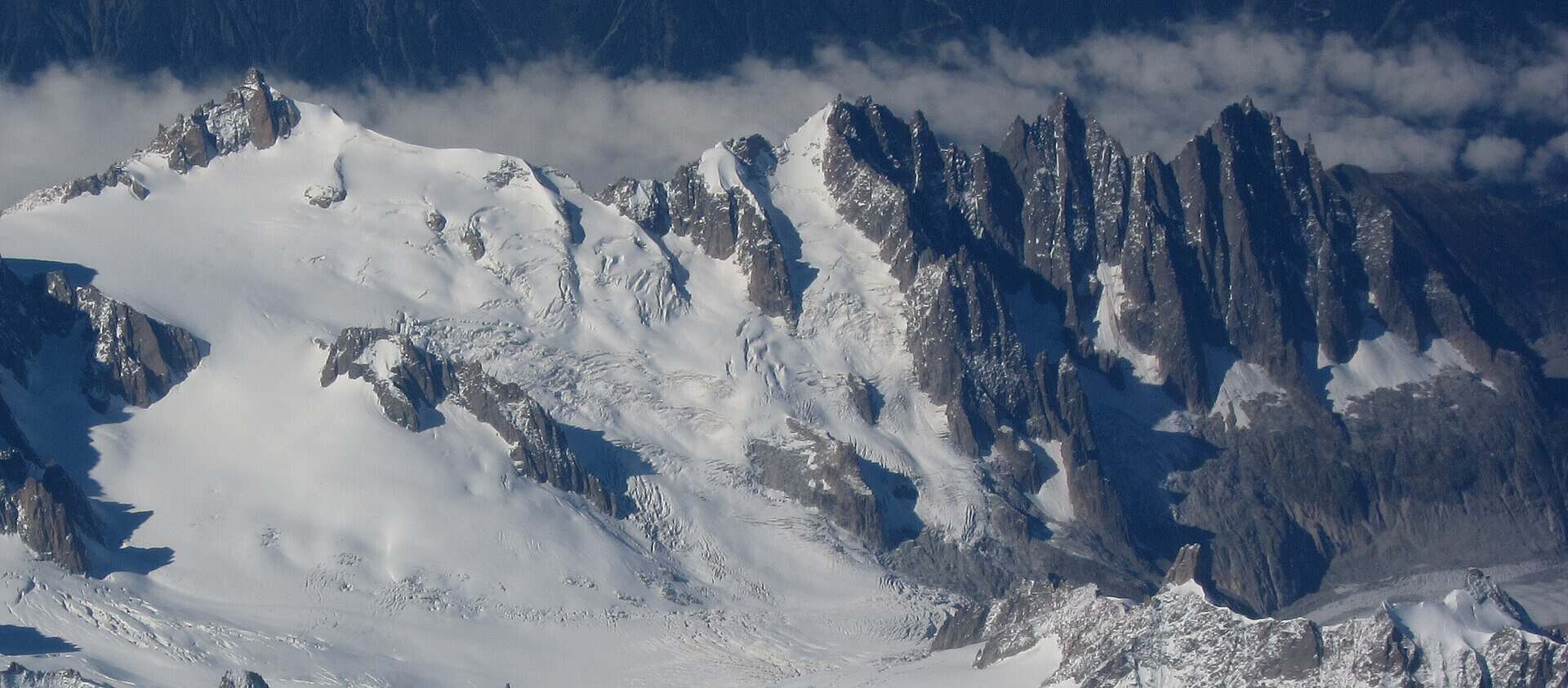
The Aiguille du Midi cable car climbs to roughly 12,600 feet, opening the door to the Vallée Blanche — an off-piste glacier descent that runs about 12 miles through crevasse fields, towering peaks and massive glaciers.
Chamonix has plenty of normal resort skiing too. But its high-alpine terrain is in a category of its own. The Vallée Blanche is neither marked nor avalanche-controlled, and a qualified guide is strongly recommended.
What makes it wild: Cable car access to some of the most spectacular glaciated terrain on the planet.

Official website: Chamonix
Skiing Beyond The Ordinary
Not every great ski destination needs high-speed six-packs, perfect corduroy and a billion-dollar base village.
Sometimes a single chairlift, a rope tow or an aging cable car is all it takes to reach an extraordinary mountain.
These places are a reminder that for all the commercialization of skiing, there are still mountains where adventure, exploration and raw natural character define the experience.
A lot of these ski areas open onto serious avalanche and high-alpine terrain. Respect local restrictions, carry the right safety gear and hire a guide where it’s warranted.
How many of these have you skied, and which would you add to the list?