

A recent rescue at one of Colorado’s most popular backcountry hot springs is prompting a warning about the risks of alcohol and drug use at high elevations.
Mountain Rescue Aspen responded to Conundrum Hot Springs on September 16th after a 29-year-old backpacker experienced difficulty breathing and involuntary muscle spasms. The incident required a significant emergency response after severe weather prevented an air ambulance from reaching the patient.
While the circumstances of the September 16th medical emergency were not identified as being caused by alcohol or drugs, Mountain Rescue Aspen used the incident to highlight a broader concern at the popular destination. The rescue organization said it has responded to a growing number of calls at Conundrum Hot Springs in recent years where impairment from alcohol or other substances was a contributing factor.
High Elevation Can Change the Risks
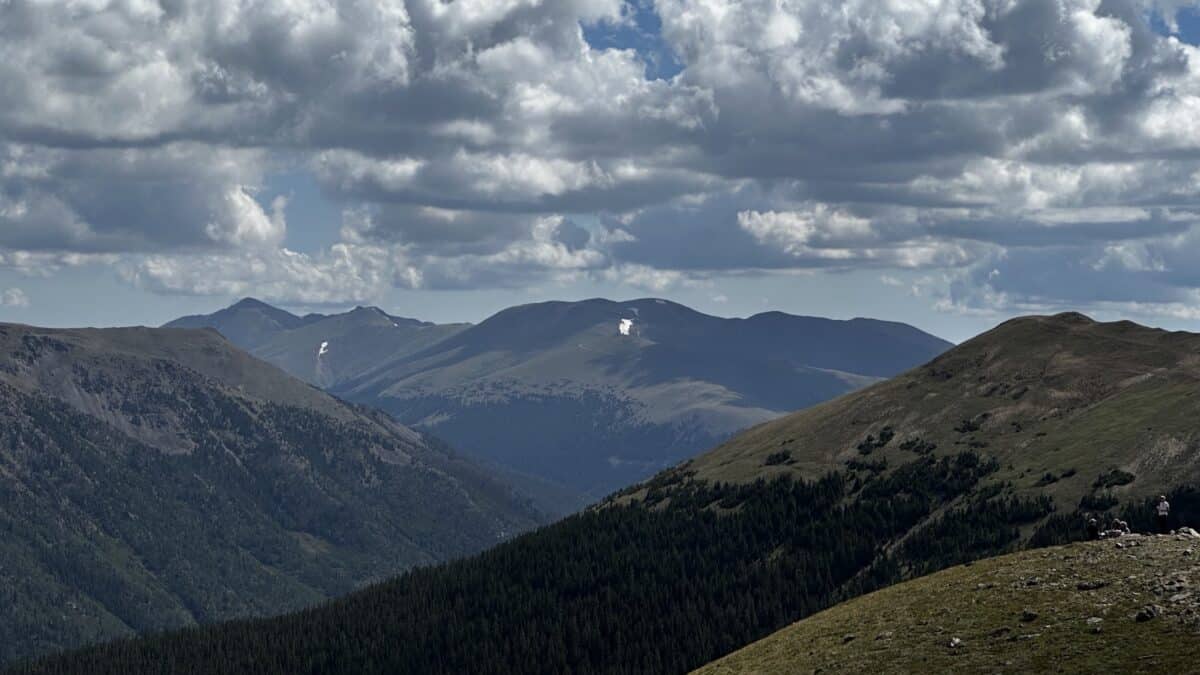
Conundrum Hot Springs sits above 11,000 feet in Colorado’s Elk Mountains and can only be reached by a long hike with substantial elevation gain. The combination of altitude, physical exertion, dehydration and prolonged exposure to hot water can create additional risks for visitors.
Mountain Rescue Aspen specifically warned that alcohol, cannabis and other substances can have stronger and less predictable effects at high elevations than they do at lower elevations. Those effects can contribute to fainting, heat illness and impaired judgment. They can also contribute to breathing or cardiac symptoms and potentially mask or mimic early signs of altitude illness.
That can create a particularly dangerous situation in remote areas where medical assistance may be hours away.
Helicopter Evacuation Was Prevented by Weather
The September 16th rescue demonstrated another challenge faced by people traveling into remote mountain terrain. Emergency services were initially contacted through satellite communication after the backpacker’s companions reported the medical emergency. Mountain Rescue Aspen deployed a hasty team while additional rescuers staged at the trailhead.
An air ambulance was requested, but rain and lightning prevented the helicopter from reaching the patient. The aircraft remained on standby but was ultimately unable to complete the evacuation because of continued weather limitations.
Rescuers eventually reached the backpacker and determined that the patient was stable, alert and able to walk short distances. After consultation with rescuers and medical personnel, the patient and companions chose to remain at their campsite overnight rather than undergo a nighttime litter evacuation.
Rescuers later made the approximately eight-mile hike back to the trailhead, with all teams returning to base by 10pm.
A Warning for Backcountry Visitors
The situation illustrates why alcohol and drug use can carry additional consequences when visitors are far from roads, medical facilities and reliable evacuation options. Mountain Rescue Aspen is encouraging backcountry visitors to understand the risks before entering remote areas and to make conservative decisions about their health and safety.
Visitors should also carry appropriate emergency supplies, maintain a reliable means of communication, monitor weather conditions and have a contingency plan for a delayed evacuation.
While the warning comes from a rescue operation in Colorado, the underlying risks apply broadly to high-altitude hiking destinations throughout the United States. Remote terrain, changing weather, dehydration, strenuous activity and impaired judgment can turn a medical problem into a much more complicated emergency.