

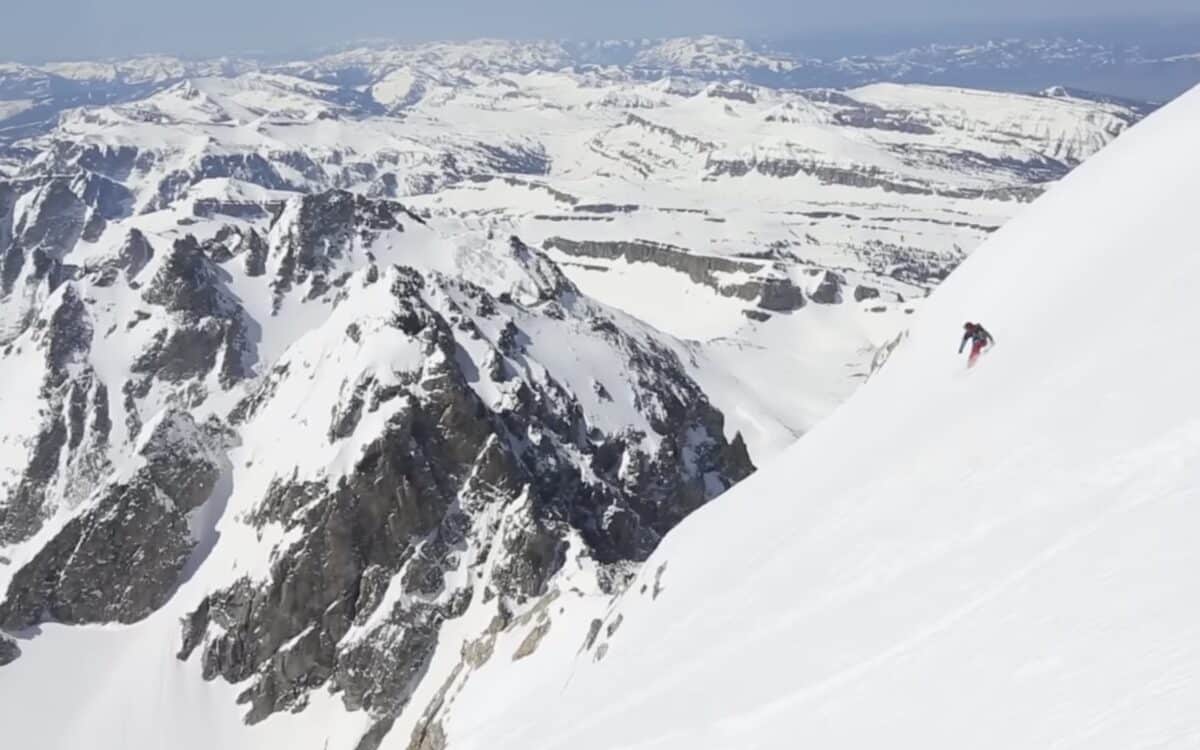
For advanced skiers and ski mountaineers, America’s national parks offer some of the most spectacular backcountry terrain in the world. These protected landscapes feature massive peaks, remote glaciers, steep couloirs, and untouched snow far away from traditional ski areas.
Alpine backcountry skiing inside national parks requires far more than strong skiing ability. Avalanche awareness, glacier travel skills, route planning, and wilderness experience are essential. The National Park Service regularly reminds visitors that conditions can change quickly and that skiers entering remote terrain must be prepared to manage risks without resort infrastructure. These five national parks stand out as premier destinations for alpine backcountry skiing adventures.
Grand Teton National Park
Grand Teton National Park in Wyoming remains one of the most iconic destinations for alpine backcountry skiing in North America. The dramatic Teton Range provides steep faces, narrow couloirs, and challenging ski mountaineering objectives that attract experienced athletes from around the world.
The park’s terrain includes legendary descents around peaks such as Mount Moran and the Grand Teton. Many routes require significant climbing, avalanche evaluation, and careful decision making before reaching the summit or ski line. The National Park Service warns that avalanche terrain is common throughout the park and recommends carrying avalanche rescue equipment including a beacon, probe, and shovel.
North Cascades National Park
Washington’s North Cascades National Park offers a true alpine wilderness experience with some of the most rugged mountains in the lower 48 states. The region is known for dramatic peaks, extensive glaciers, and complex terrain that appeals to experienced ski mountaineers.
The surrounding North Cascades landscape includes major alpine objectives where skiers must navigate glaciers, steep snowfields, and changing mountain conditions. Routes often require technical skills beyond normal backcountry touring. The National Park Service highlights the area’s mountaineering opportunities and provides information for visitors traveling through glaciated terrain.
Rocky Mountain National Park
Rocky Mountain National Park in Colorado provides some of the best accessible alpine backcountry skiing in the country. The park’s high elevation terrain includes steep bowls, open faces, and challenging lines near the Continental Divide.
Popular backcountry skiing zones include areas around Bear Lake and Hidden Valley, where skiers can access undeveloped mountain terrain. Above treeline conditions can become extremely serious, with high winds, rapidly changing weather, and avalanche danger creating major challenges. Much of the park’s backcountry ski terrain is located in avalanche terrain, so visitors should always carry proper rescue equipment and have the necessary education before heading into the snow.
Glacier National Park
Glacier National Park in Montana combines dramatic mountain scenery with remote alpine terrain. The park’s rugged peaks, steep valleys, and heavy winter snowfall create opportunities for experienced skiers seeking wilderness descents.
Backcountry skiing in Glacier requires careful preparation due to deep snow, limited services, difficult navigation, and long rescue times. The park’s remote character means skiers must be comfortable making decisions in challenging environments. Winter visitors should travel prepared, carry appropriate equipment, and understand that help may be hours away in remote locations.
Denali National Park and Preserve
Denali National Park and Preserve represents the ultimate level of alpine adventure. Located in Alaska’s Alaska Range, the park contains enormous glaciers, massive peaks, and some of the most demanding ski mountaineering terrain in the United States.
While climbing Denali itself is among the world’s greatest mountaineering challenges, the surrounding Alaska Range also provides opportunities for skilled backcountry skiers exploring remote glaciers and alpine objectives. The park contains more than one million acres of glaciers and offers remote backcountry skiing opportunities accessible through specialized expeditions.
