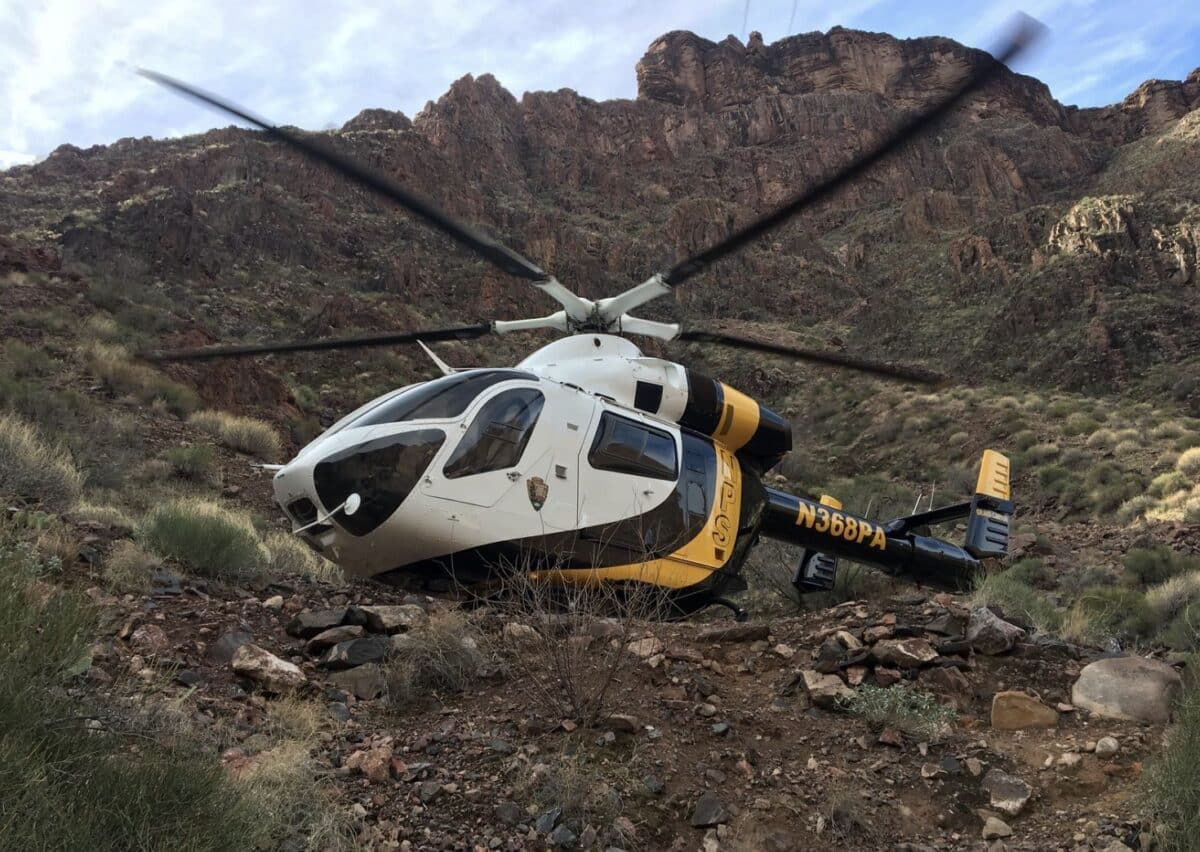
Grand Canyon, Ariz. – Grand Canyon National Park rangers and emergency crews responded to two separate heat-related incidents on June 12th and June 16th, 2026, which resulted in three deaths. In both instances, the victims were hiking in the Inner Canyon, where midday temperatures can exceed 109°F in the shade.
On June 12th, a 72-year-old male died from symptoms of heat-related illness along the South Kaibab Trail. On June 16th, a 67-year-old male and a 68-year-old female also appear to have succumbed to symptoms of heat-related illness on the North Kaibab Trail.
Despite a coordinated rapid response and aerial support, all three individuals were found deceased when responders arrived on scene. All individuals were transported to the Coconino County Medical Examiner office.
These deaths are a tragic reminder of dangers of exploring one of America’s most iconic National Parks. Hiking the Grand Canyon in temperate weather can be a challenge for anyone but hiking during the heat of summer can be lethal.
The recent increase in heat-related incidents comes as summer temperatures in the Inner Canyon have reached dangerous levels, creating conditions that can quickly overwhelm hikers during the hottest parts of the day.
Due to current conditions, the National Park Service is encouraging visitors to stay off Inner Canyon trails from 10:00 a.m. to 4:00 p.m.
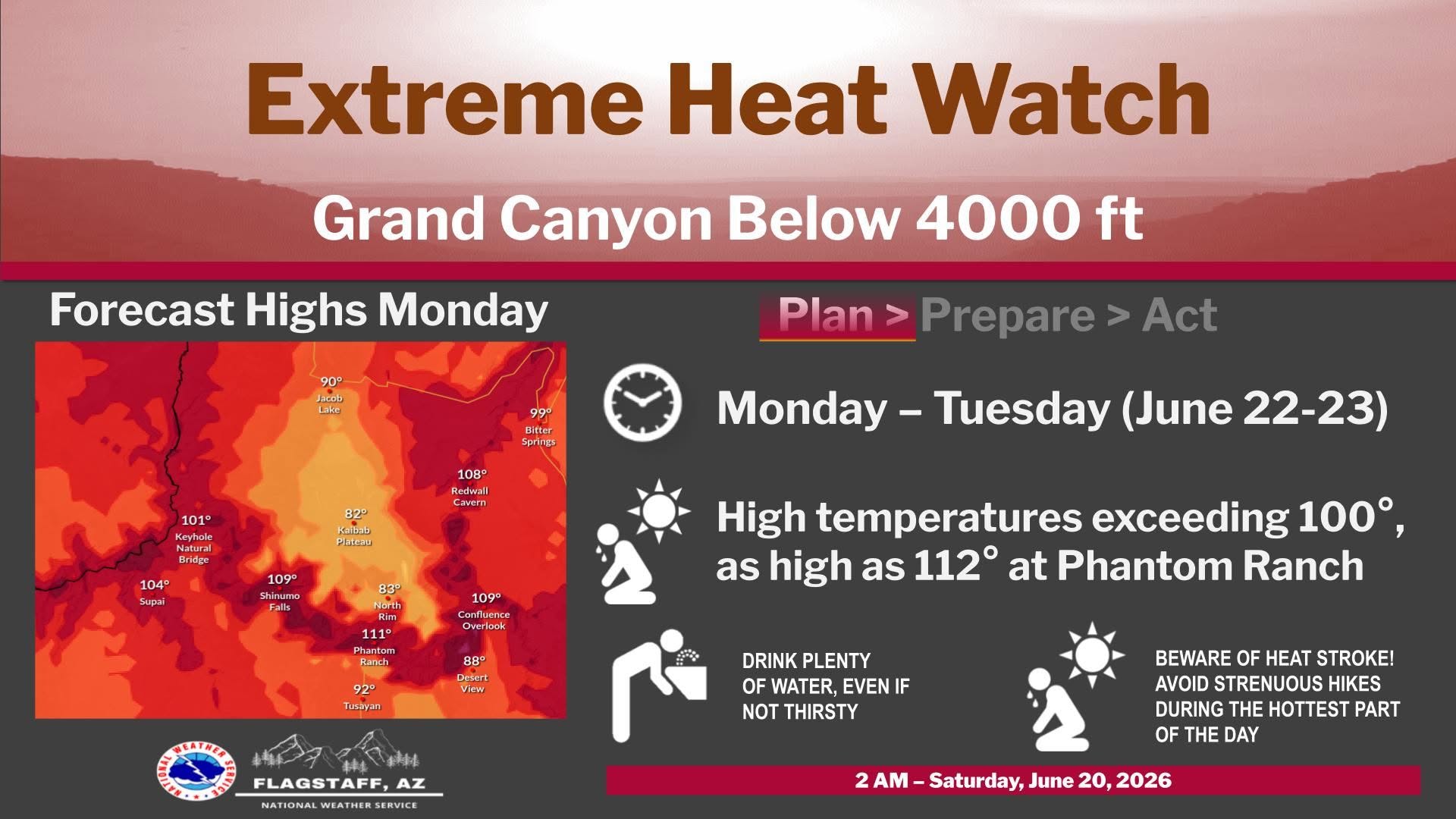
“Hiking into the canyon during summer should be saved for morning and evening hours. We recommend avoiding strenuous hiking from 10:00 a.m. to 4:00 p.m., as Inner Canyon temperatures can soar to 109°F/43°C — in the shade.
Heat-related illnesses can come on suddenly and a visitor’s condition may deteriorate rapidly. Symptoms include but are not limited to, headache, disorientation, and confusion. If you or someone you know is experiencing these symptoms, stop and seek shade immediately. Prevention is key. Drink water. Ensure you have had enough salt — sweating in the desert doesn’t always make a person wet, as sweat may evaporate quickly. Carry all the water you need — not all trails have water, and even those that do can experience water outages. If you are near flowing water, soak yourself and your clothing.
Remember, there are many options for hiking, walking and viewing the iconic landscape along the rim of the Grand Canyon. For more information on visiting Grand Canyon, and planning for summer activities visit: https://go.nps.gov/GC-HOT“
Summer Hiking Tips For Success
Summer Hiking Essentials
- Water – Carry plain water and some form of electrolyte replacement. Keep in mind, only the Bright Angel and North Kaibab Trails have potable water spigots and these may be out of service due to time of year or maintenance issues.
- Salty snacks and high energy food – Salty foods such as pretzels, crackers, and chips, are preferred in order to balance water intake during the hot summer season. Stop and eat often. Consume twice as much as you normally would.
- First Aid Kit – Common canyon items include: hand sanitizer, bandaids, ace wrap, antibiotic ointment, and blister care.
- Map – While many trails are well-marked, maps are helpful tools.
- Sturdy Footwear – Use broken-in hiking boots or trail shoes with good traction to navigate rocky, steep, and uneven terrain.
- Flashlight/Spare Batteries – Don’t rely on your cell phone as a light source! Carry a flashlight and spare batteries that will allow you to hike out during the cool hours of the day.
- Cooling Mechanisms – spray water bottles, bandanas, and towels are portable and a way to cool off your body after leaving a water source.
- Sun protection layers/Hat/Sunscreen – to keep the sun off you and protect your skin.
- Whistle and/or Signal Mirror – for emergency use.
- Waterproof Clothing – poncho or jacket; especially useful during monsoon season (mid-July to early September).
Don’t Force Fluids, Drink When You Are Thirsty, and Rest and Eat Often
Hiking in the Grand Canyon offers unique challenges due to the combination of ambient temperature, elevation, and the physical demands of the terrain. To ensure an enjoyable and safe hike, it’s important to properly manage hydration and nutrition.
Stay Hydrated and Energized
As you hike—especially uphill and in direct sunlight—it’s essential to stay hydrated. In the Grand Canyon’s hot, dry climate, sweat evaporates quickly, so you might not realize how much fluid you’re losing. Watch for salt stains or rings on your clothing, a common sign of dehydration.
To maintain proper hydration, sip water regularly throughout your hike, even if you don’t feel thirsty. It’s just as important to replenish lost electrolytes by eating salty snacks, which help your body retain fluids and maintain balance. Wondering what inner canyon rangers pack in their day bags? Some of their favorite salty snacks include pretzels, Pringles, chips, and cheese crackers—tasty and trail-ready fuel for the journey!
Fuel Your Body for the Journey
Hiking in the Grand Canyon can be demanding, so be sure to eat enough to fuel your body. Eating regular snacks, including a mix of carbs, protein, and electrolytes, will help maintain energy levels. Drink and eat even if you’re not feeling thirsty or hungry—your body may not always signal when it’s time to refuel. Balancing hydration and nutrition is key to avoiding fatigue and ensuring your body functions at its best.
By staying proactive with hydration, nutrition, and rest, you’ll help ensure a more enjoyable and rewarding experience on the trails.
Wait for the Shade—AVOID HIKING BETWEEN 10 AM AND 4 PM
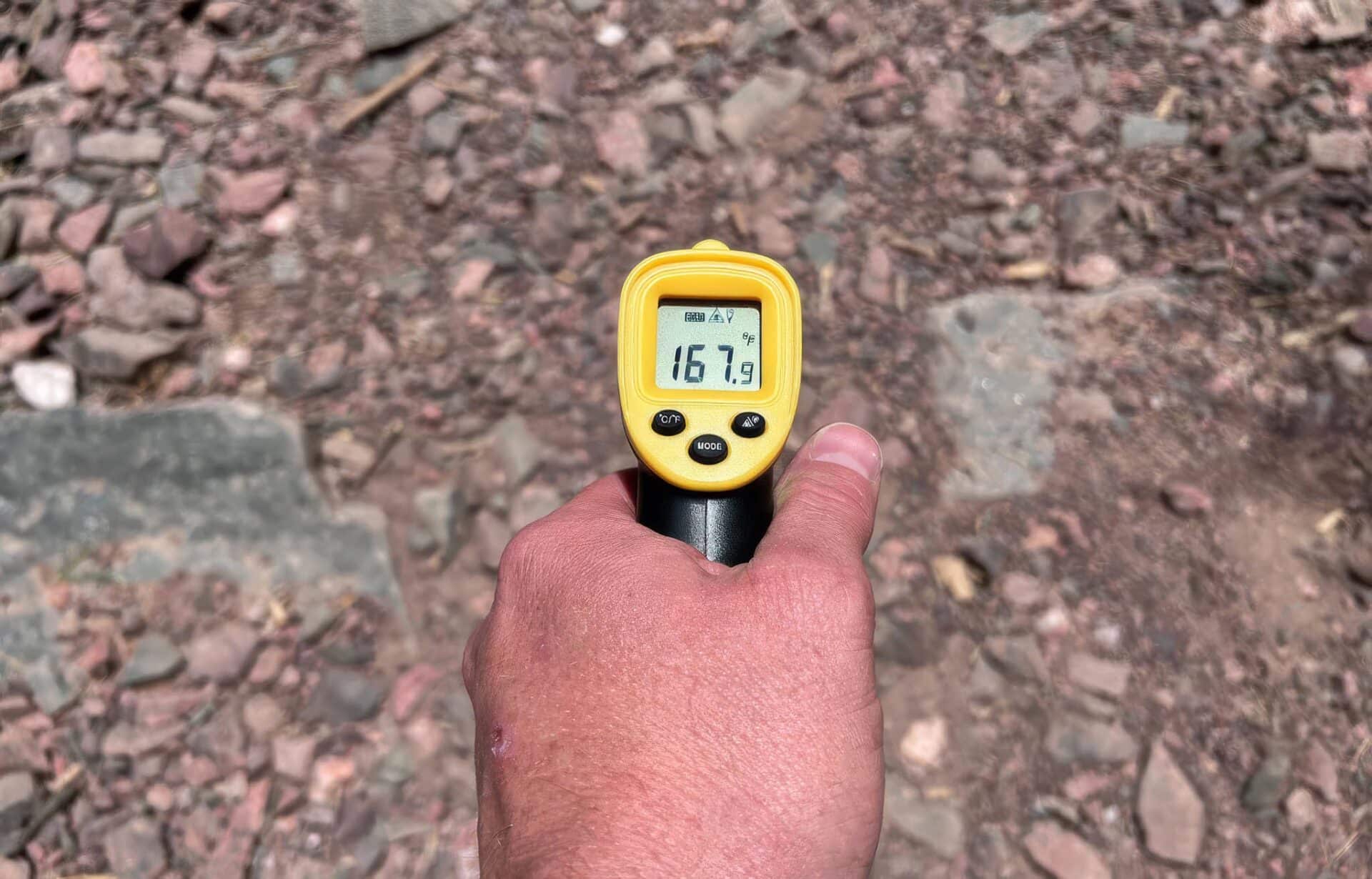
Even if you are eating and drinking correctly you still need to avoid hiking in direct sunlight during the hottest part of the day. Sun temperatures are 15F to 20F (9C-11C) degrees hotter than posted shade temperatures. And keep in mind, the farther into the canyon you go the hotter it gets!
Plan your day so you are not hiking between the hours of 10am and 4pm. Take a break near shade and water to avoid the worst heat of day. Enjoy a predawn start and a late afternoon finish. Experienced desert hikers know that the timing of their hike is the most important factor in avoiding hazards. Most of the people who need emergency medical help in the canyon due to heat illness are hiking between 10 a.m. and 4 p.m.
Stay Wet and Stay Cool
KEEP YOURSELF SOAKING WET TO STAY COOL.
One of the most effective ways to keep your body temperature in check while hiking in the Grand Canyon is by staying soaking wet. The intense heat, especially in the inner canyon, can rapidly increase your core body temperature, so it’s essential to use every opportunity to cool down. Whenever you’re near water—whether it’s a creek or water station—take the time to soak your clothing and body.
Wear clothing that holds water well (cotton is great in the desert!), and if possible, wear a hat or bandana that you can soak frequently. This is a simple yet effective way to stay cool and energized throughout the day. When hiking in the canyon, where temperatures can soar, take every opportunity to get wet as this will make your hike far more comfortable. By the end of the day, you’ll feel the difference as your body stays cooler and more refreshed.
Remember, staying soaking wet isn’t just about feeling better—it’s a critical tool to help you maintain your energy levels and avoid heat exhaustion, so don’t overlook this simple yet vital cooling strategy!
Watch Out for Health Hazards
Know Before You Go: Hiking with Pre-Existing Medical Conditions
Prexisting medical conditions can be significantly exacerbated by the canyon’s extreme conditions. If you have any pre-existing health issues, we strongly recommend consulting with your physician before attempting rigorous hikes, especially in hot weather. The canyon presents challenges such as high temperatures, steep elevation changes, and prolonged physical exertion—factors that can strain even healthy individuals.
WATCH OUT FOR THESE HEALTH HAZARDS!
HEAT EXHAUSTION — The result of dehydration due to intense sweating. Hikers can lose one or two quarts (liters) of water per hour. Rangers at Phantom Ranch and Havasupai Gardens treat many cases of heat exhaustion each day in summer.
Symptoms: fatigue, nausea, vomiting, cool and moist skin, headache, cramps.
Treatment: STOP HIKING and REST in the shade for 30-45 minutes, drink water with electrolytes, eat high-energy foods (with fats and sugars), and cool the body by getting wet.
HEAT STROKE — A life-threatening emergency where the body’s heat regulating mechanisms become overwhelmed by a combination of internal heat production and environmental demands. Your body loses its ability to cool itself. Grand Canyon has two to three cases of heatstroke a year. Untreated heat exhaustion can lead to heatstroke.
Symptoms: flushed face, dry skin, weak and rapid pulse, high core body temperature, confusion, poor judgment or inability to cope, unconsciousness, seizures. *DISTINGUISHED FROM HEAT EXHAUSTION BY ALTERED MENTAL STATUS*
Treatment: COOL IMMEDIATELY AND CALL FOR HELP! Continuously pour water on head and torso (protecting airway at all times), fan to create an evaporative cooling effect, and move individual off of hot ground and into shade if possible. Immerse the individual in cold water if possible. Heat stroke patients need rapid cooling and immediate transport to a hospital. Someone should call/go for help while attempts to cool the the individual continue.
HYPONATREMIA (water intoxication) — An illness that mimics the early symptoms of heat exhaustion. It is the result of low sodium in the blood caused by drinking too much water and losing too much salt through sweating.
Symptoms: fatigue, nausea, vomiting, altered mental states, confusion, frequent urination. These individuals may appear intoxicated. In extreme cases alterned levels of consciousness and seizures may occur.
Treatment: have the individual stop consuming water, eat salty foods, and rest in the shade until symptoms improve. If mental alertness decreases, seek immediate help!