Shoutout to the good folks at the The American Society for the Prevention of Cruelty to Animals (ASPCA) for issuing this handy list of helpful tips to keep your pets safe while camping this summer.

Bringing your furry friends along on your next camping trip can be a highly rewarding experience but it comes with increased demands and responsibilities, so don’t just show up unprepared. Remember to make sure wherever you plan to camp allows dogs as many State and National Parks allow dogs but with significant restrictions in the backcountry and to be courteous to other campers by picking up after your dog and controlling barking and other noise that may disrupt other campers peace.
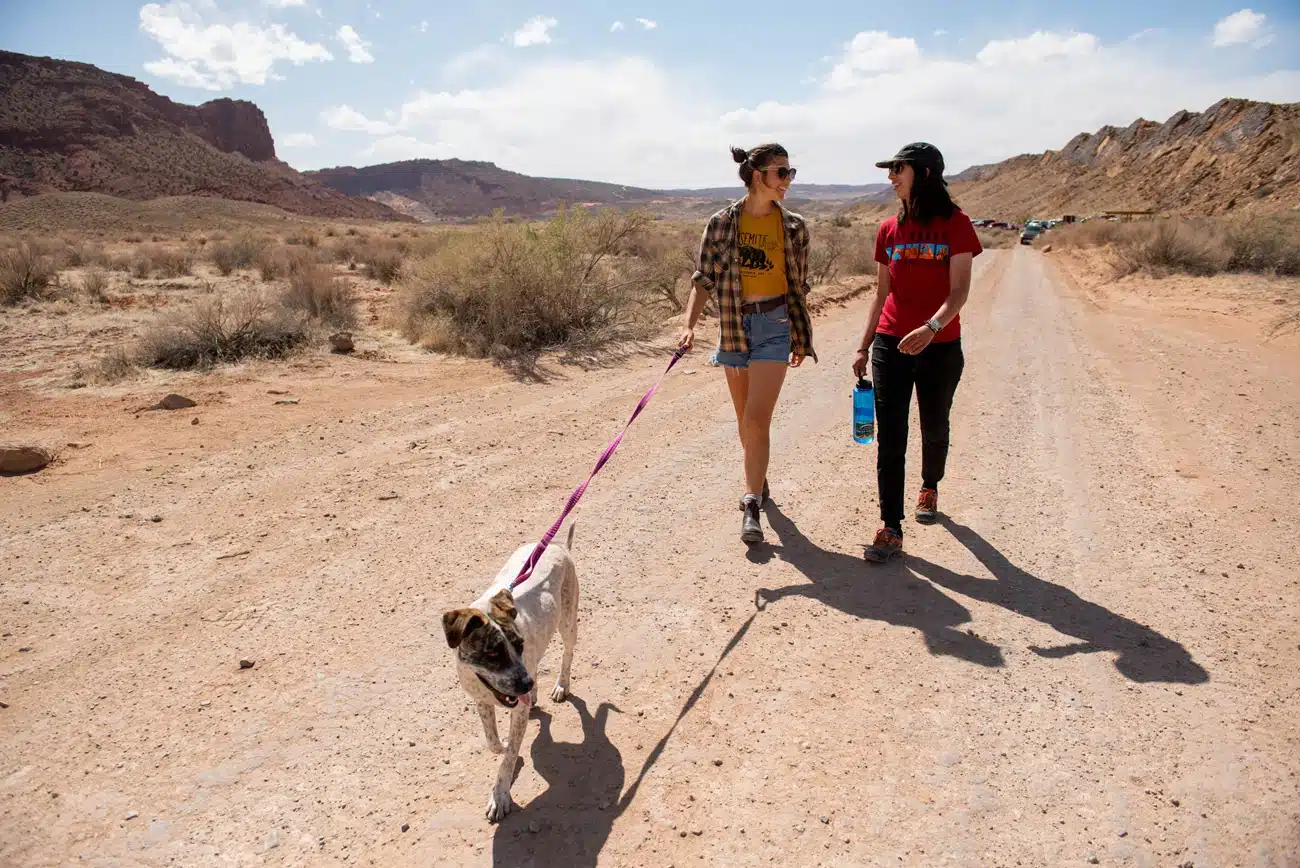
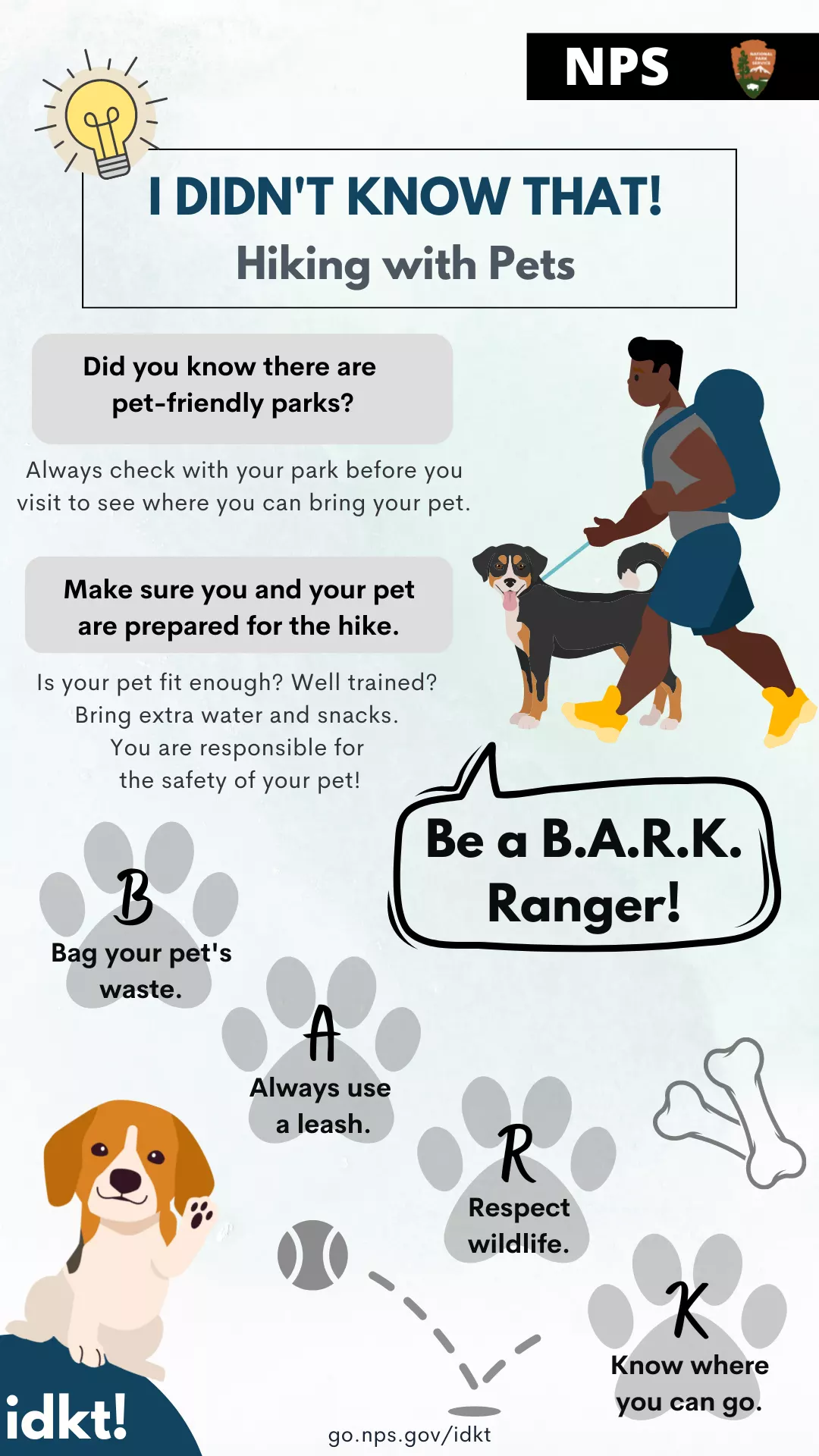
The National Park Service has a useful acronym when it comes to responsible pet owners in parks, B.A.R.K. Rangers: Bag your pet’s waste, Always use a leash, Respect wildlife, Know where you can go (more info here).
ASPCA Guide To Keeping Pets Safe While Camping:
1. Photos and Medical Records. A recent photo and basic medical records for your pet, including the date of their last vaccines and any medications they may be on, is a good idea to have on hand. If your pet gets lost or needs to be seen by a veterinarian, having some basic information can be critical. Additionally, locating the closet emergency clinic from your campsite and adding their contact information to your phone can be lifesaving.
2. Identification. A reflective pet collar with an ID tag is a simple and great way to make sure your pet can be identified if they accidentally get away from you. Microchips are also important as shelters and veterinary clinics routinely check for them and they cannot accidentally fall off your pet.
3. First Aid Kit. A pet first aid kit can come in handy in case of any bug bites, minor injuries or if your pet gets sprayed by a skunk.

4. The Essentials. Make sure to bring along enough fresh water, food and any medications your pet takes on a regular basis. Do not encourage your pet drinking from foreign bodies of water as toxins like blue-green algae can be seen in the summer months. Also, if you are traveling far from home, check to see if heartworm control is recommended if your pet is not currently on it.
5. Flea and Tick Control. Fleas and ticks are no fun and can transmit diseases to your pets. Make sure to have your pet protected before heading out and know the signs and symptoms of a flea or tick bite. Always check your pet thoroughly for ticks after spending time outdoors.
6. Weather Preparedness. Is it going to rain? Will it be very hot? Consider how your pet will handle the weather if they are not used to spending extended time outdoors. Also, don’t forget that thunder and lightning can be very scary for some pets, and they may be more apt to run away. Come prepared to weather the storm with a rain jacket for your pup or an umbrella to share between the both of you. If it’s going to be hot, identify a shady location where you can take regular breaks with adequate amounts of water.
7. New Environment Expectations. Consider how your pet will do in a novel environment. While campers will generally expect some barking at the campsite, excessive barking can be frustrating to others. Does your pet scare easily? How does your pet handle meeting lots of new people or being around other dogs they’re not typically around? Remember, this is your pet’s vacation, too. If they don’t enjoy the company of others, make sure they have a safe place to hang out while you socialize. Providing your pet with their favorite toy, chew and a blanket or bed from home can keep them entertained and feeling safe.
8. Pet Proof Your Area! Before you let your pet out on your campsite, thoroughly inspect the area to make sure other campers have not left anything behind. Being familiar with any common toxic plants can help you identify areas to keep your pet away from. Also be sure to always clean up after your pet when you’re exploring new areas!
9. Don’t Let Your Pet Roam. Because your pet is not familiar with the area, they could get lost, fall into a river or become stuck. Other well-meaning campers may feed them something they’re not used to or may have rat poison out in their campsite. They could also have a run in with some not-so-well-meaning wildlife, so it’s important to always keep an eye on your four-legged friend and keep them on leash and close to you.
10. Beware of Bonfire Hazards. Gathering around the campfire may be one of the best parts of camping, a bonfire comes with its own set of hazards like charcoal and fire starters, kerosene, hot coals and even s’mores. Check out this infographic to see how they may affect your pet.