
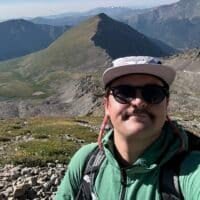
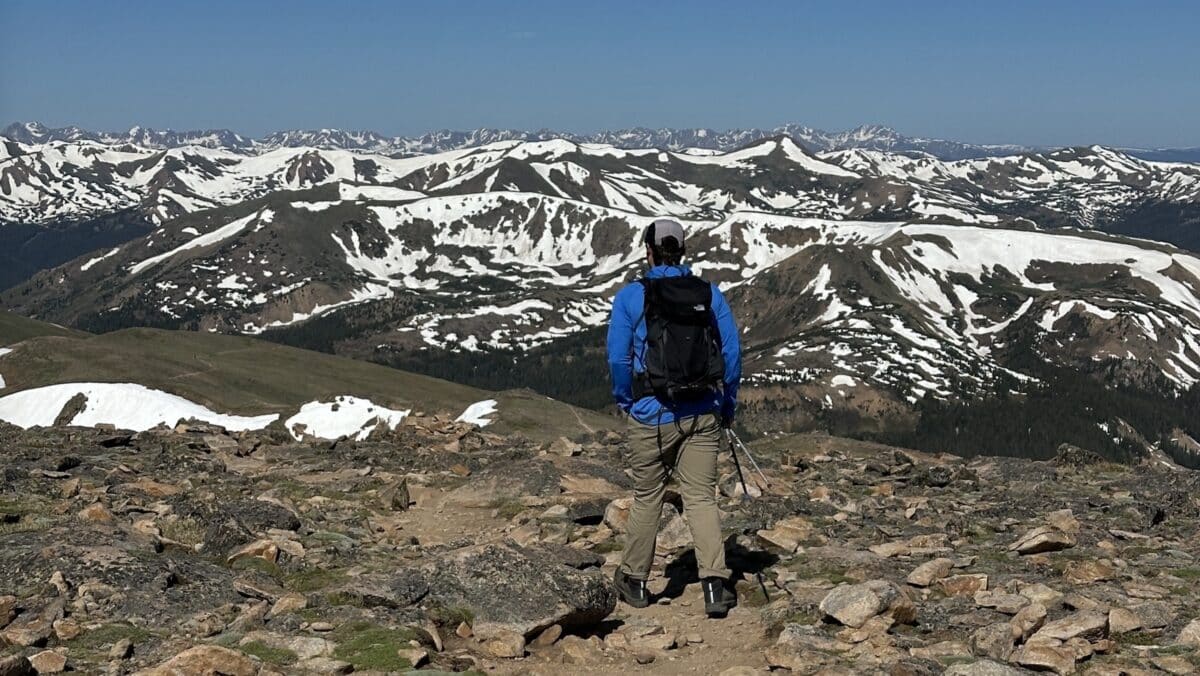
If you’ve ever noticed a certain amount of increase in gassiness on a hiking trip, skiing trip, or some other high-altitude adventure, know that you’re not alone. High Altitude Flatus Expulsion (HAFE), as it’s been named, is a rather common occurrence. Retired Green Beret and outdoor creator Outdoor.Devin discussed his own experiences with what he calls “the altitoots” in the video below.
A truly incredibly Letter to the Editor published in the Western Journal of Medicine back in 1981 written by Dr. Paul Auerbach and Dr. York Miller appears to be the first report of the phenomenon in medical literature, explaining that they experienced the phenomenon during an expedition in southwest Colorado’s San Juan Mountains.
“The syndrome is strictly associated with ascent, and is characterized by an increase in both the volume and the frequency of the passage of flatus, which spontaneously occurs while climbing to altitudes of 11,000 feet or greater. The eructations (known to veteran back-packers as “Rocky Mountain barking spiders”) do not appear to vary with exercise, but may well be closely linked to diet.” – Dr. Paul Auerbach and Dr. York Miller in the Western Journal of Medicine
They go on to explain that while HAFE may be an inconvenience to those who prefer to hike with others, victim’s should be aware that it’s more of a sociological issue than a physiological issue.
So if you’re going hiking with some friends this summer or you’re concerned about sharing a high-altitude cabin on you’re next ski trip, feel free to explain that an increase in flatulence is completely normal.