

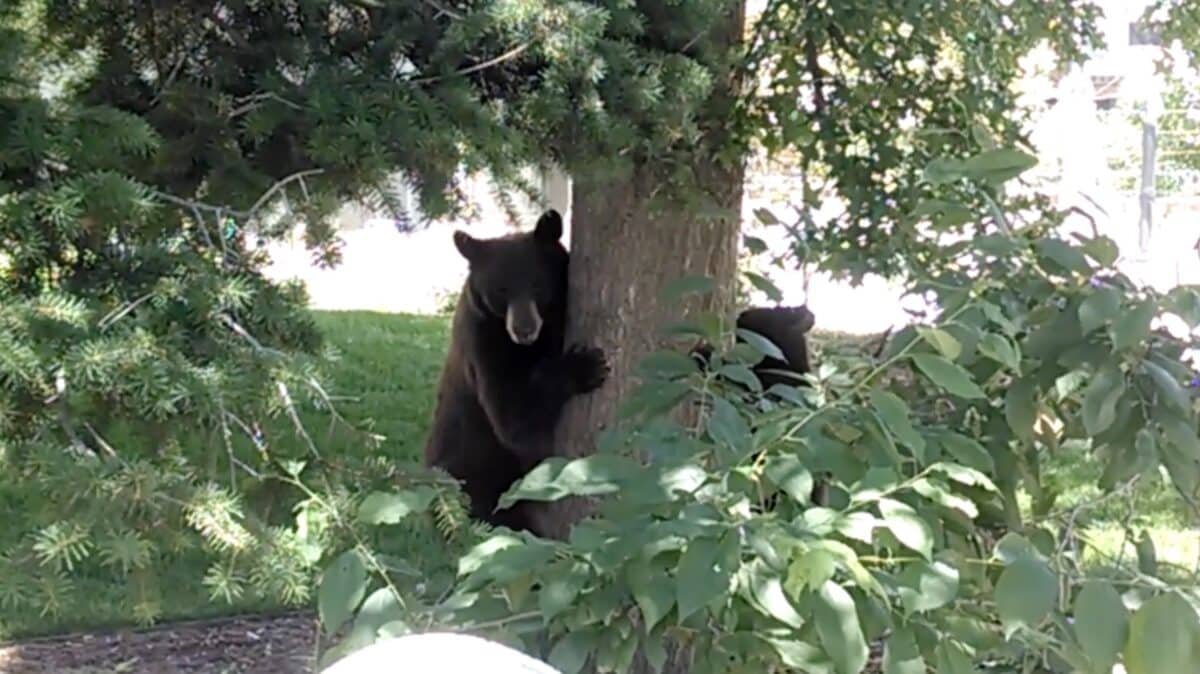
Colorado Governor Jared Polis signed legislation on Wednesday strengthening penalties for residents and visitors who knowingly leave food or waste accessible to wild bears, marking a significant step in Colorado’s ongoing effort to reduce human-bear conflicts.
House Bill 26-1342 amends state wildlife statutes by lowering the burden of proof from “intentionally” luring the animals to “knowingly” doing so. The change makes it easier for Colorado Parks and Wildlife officers and other peace officers to cite individuals whose negligent behavior attracts bears into populated areas.
The law also eliminates the previous requirement that first-time offenders receive a warning before being fined, giving officers discretion to issue citations immediately. Fines for third and subsequent offenses have been raised from $2,000 to $5,000.
The legislation comes after a notably active year for bear activity in the state. CPW received 5,299 sighting and conflict reports in 2025, a 15% increase over the prior six-year average. Of those reports, 2,448 involved property damage to homes, vehicles, sheds or fences. Unsecured trash was the leading cause of conflict, linked to more than 57% of property damage incidents. In 2025, officers euthanized 78 bears and relocated 52 as a result of conflicts.
CPW estimates Colorado’s black bear population at between 17,000 and 20,000 independent adults.
“Human-bear conflict is a human problem, not a bear problem, and this law focuses directly on careless human behavior, giving officers a realistic path to holding repeat offenders accountable before bears pay the price.” – Brenda Lee, Executive Director of the Colorado Bear Coalition.
CPW Director Laura Clellan called human-bear conflict a serious public safety issue and said the updated law gives officers a stronger foundation for enforcement. Supporters of the bill pointed to southwest Colorado as a particularly affected region, with La Plata County accounting for more than 12% of statewide conflict reports in recent years.
The law retains an exemption for agricultural activities and does not apply to live animals or crops prior to harvest. Bears that learn to access human food sources are difficult to rehabilitate and often face relocation or euthanasia. Wildlife officials consistently frame the problem as one driven by human behavior, and the new law is designed to hold that behavior to a higher legal standard.