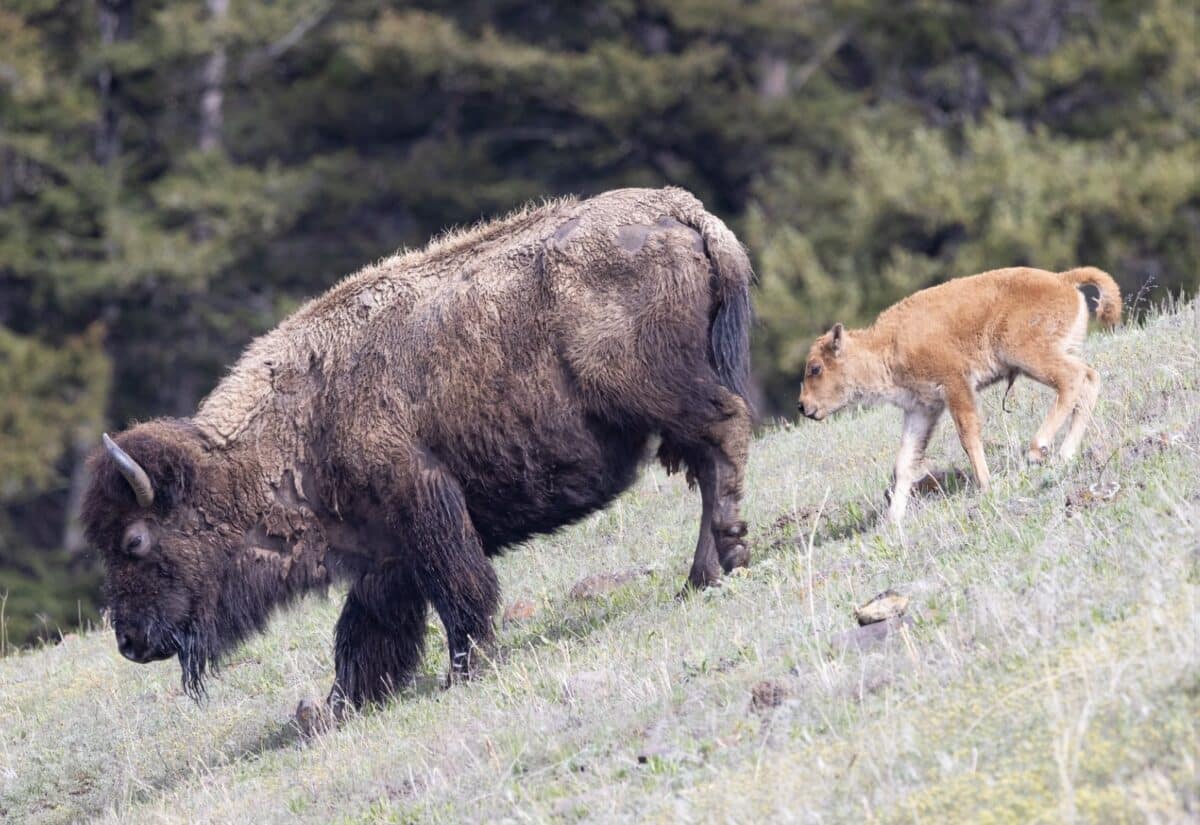
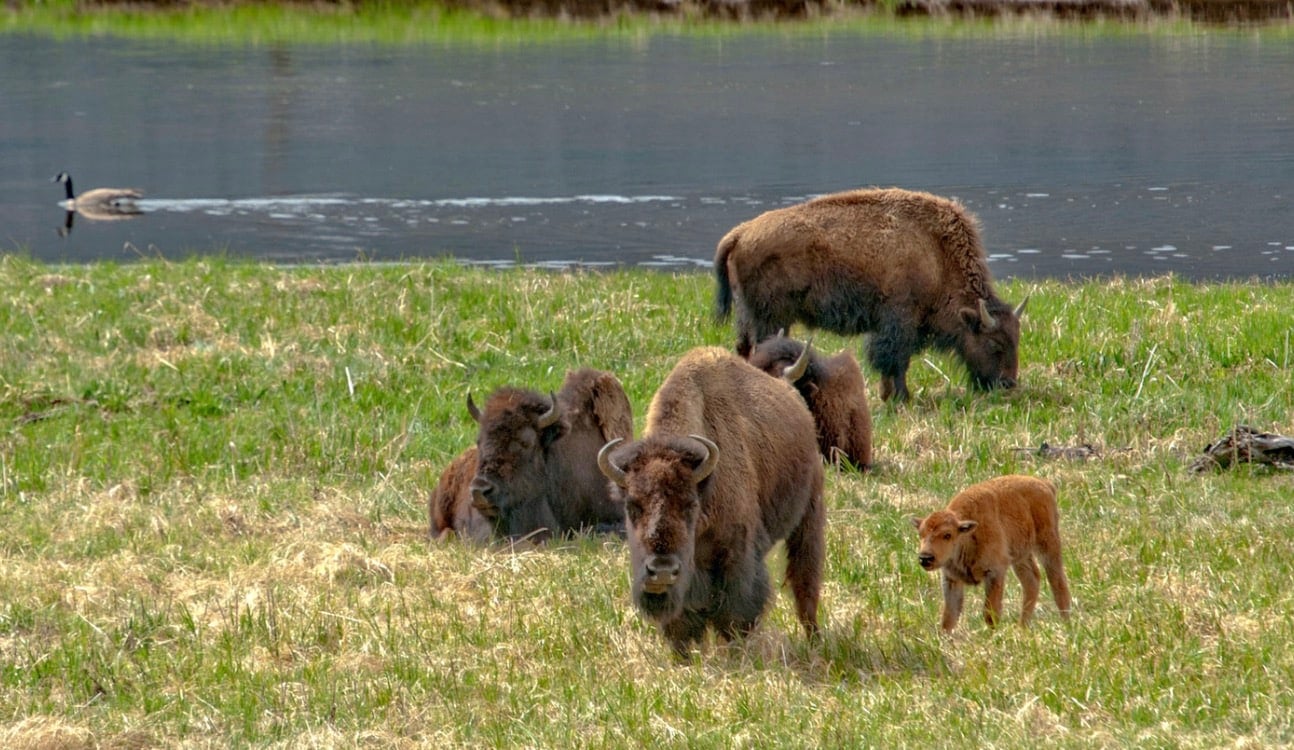
Nothing says says spring has arrived at Yellowstone National Park quite like the seeing bison calves trotting around the park and with calving season getting into full swing park officials want to remind folks to respect their space and avoid getting too close to these incredibly adorable creatures.
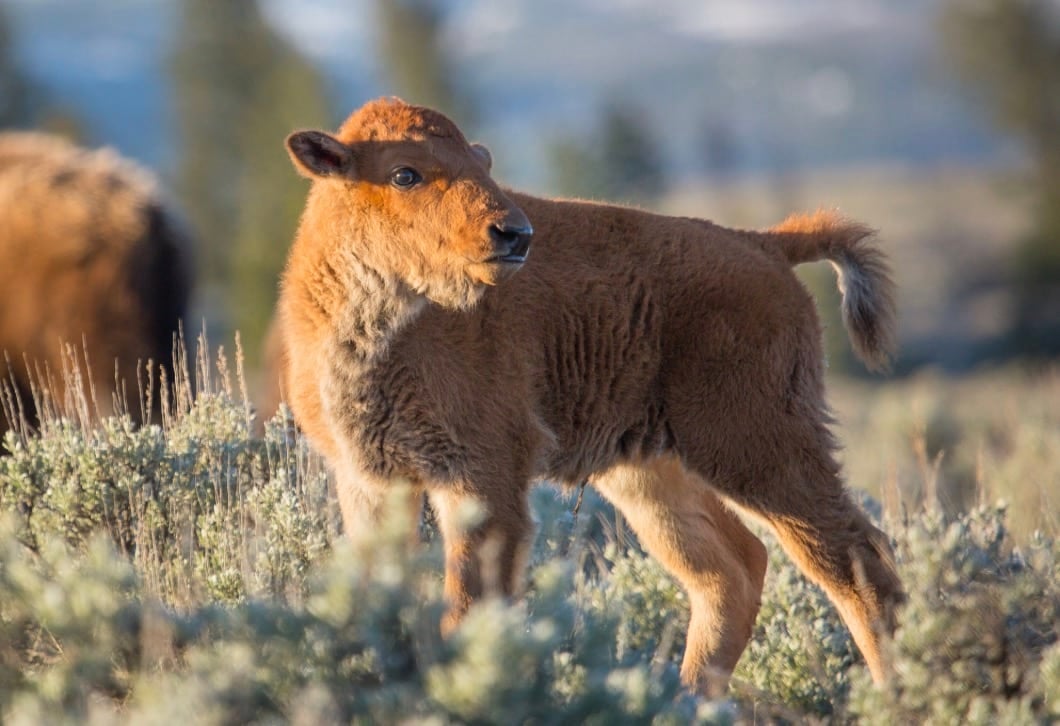
Reddish-brown bison calves are born in late April and May, after a gestation period of 9 to 9½ months. Bison calves can keep up with the herd 2 to 3 hours after birth and they are well protected by their mothers and other members of the herd. By late summer, their reddish-orange fur will turn brown just like their mothers’.
As cute and fuzzy as these little bison may be, please remember to not to approach them to snap up close and personal pictures. There is a saying in Yellowstone that applies to all wildlife and its especially important for fledgling bison “give wildlife room and to use a zoom.”
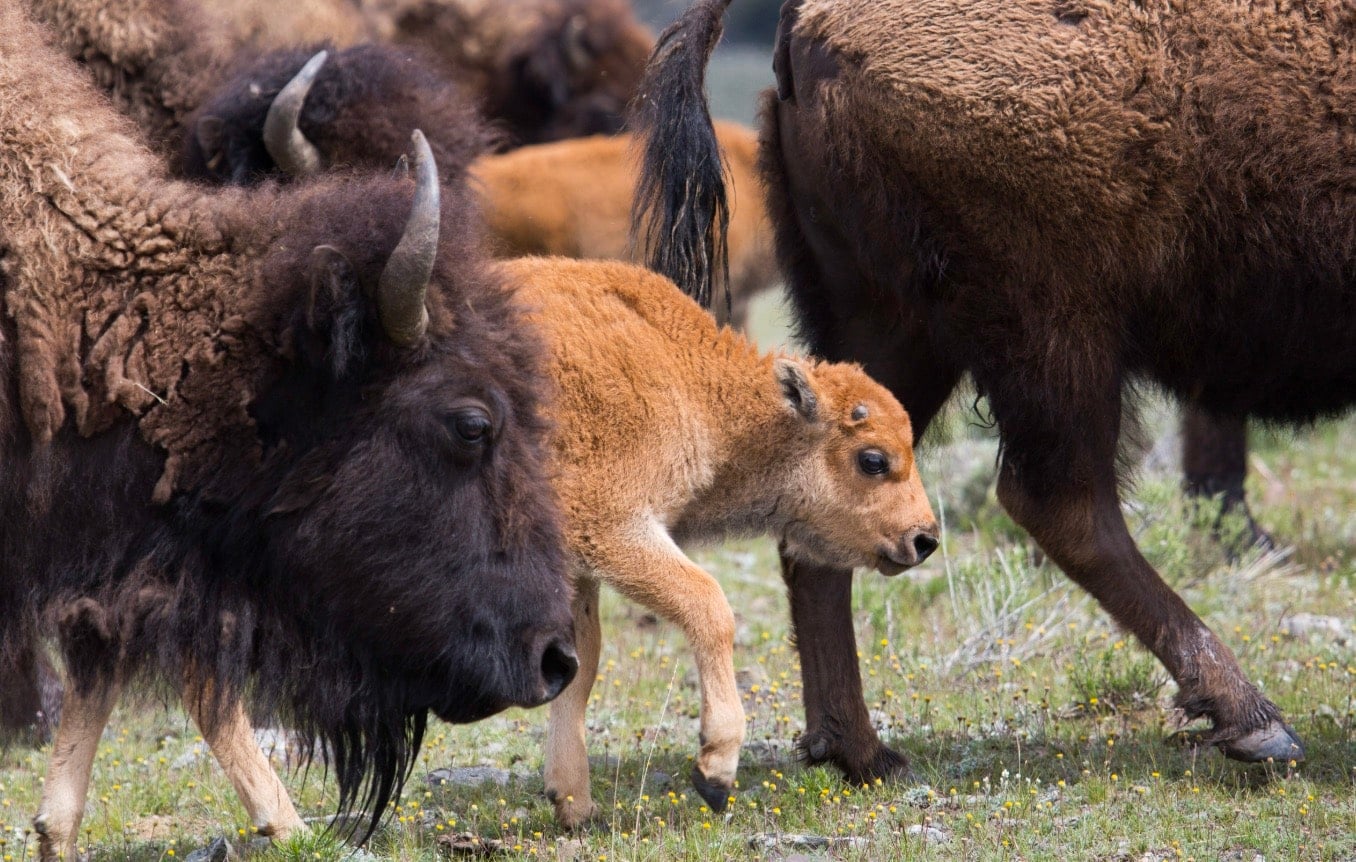
“Always maintain a distance of at least 100 yards away from bears, wolves, and cougars and at least 25 yards away from all other animals, including bison and elk. Get a closer look by using binoculars, spotting scope, or a zoom lens.” -Yellowstone National Park
Yellowstone park officials’ recent reminder to provide plenty of space to newborn bison brings to mind a story that made national news back in 2016 when a well intentioned but ruefully misinformed Yellowstone tourist actually captured a baby bison and brought it to a ranger station.
No one doubts the tourist from Quebec thought he was doing the right thing when he witnessed the baby bison get separated from its herd while crossing a fast-moving river and decided to “rescue” it by putting it into his his SUV and deliver it to park rangers but unfortunately the unnecessary intervention ended tragically. The calf was rejected from the herd when rangers attempted to reunite it and was ultimately euthanized.
Yellowstone National Park Wildlife Viewing Safety Guidelines:
The animals in Yellowstone are wild and dangerous, no matter how docile they may appear to be. The safest (and often best) view of wildlife is from inside a car.
Always stay at least 100 yards (91 m) away from bears, wolves, and cougars, and at least 25 yards (23 m) away from all other animals, including bison and elk. If an animal moves closer to you, back away to maintain a safe distance. It’s illegal to willfully remain near or approach wildlife, including birds, within any distance that disturbs or displaces the animal.
Binoculars and telephoto lenses always give you a better view than approaching the animal would. Lenses with focal lengths of 300mm or greater are recommended for adequate reach.
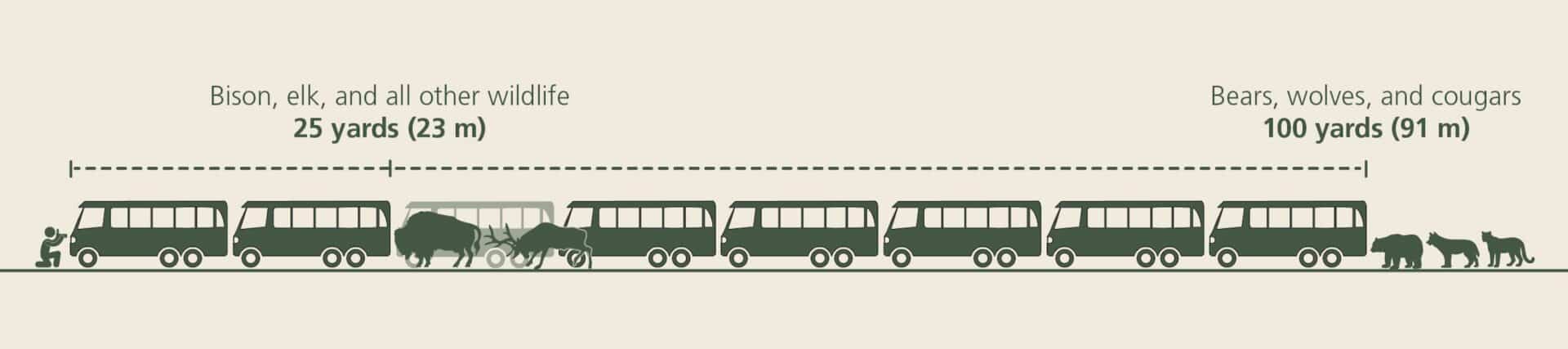
Yellowstone Bison Safety Guidelines:
Bison have injured more people in Yellowstone than any other animal. Bison are unpredictable and can run three times faster than humans. Always stay at least 25 yards (23 m) away from bison.
- Give bison space when they are near a campsite, trail, boardwalk, parking lot, or in a developed area. If need be, turn around and go the other way to avoid interacting with a wild animal in close proximity.
- Approaching bison threatens them, and they may respond by bluff charging, head bobbing, pawing, bellowing, or snorting. These are warning signs that you are too close and that a charge is imminent.
- Do not stand your ground. Immediately walk or run away from the animal. Spray bear spray as you are moving away if the animal follows you.