

Colorado — Following two costly recent liability cases in Colorado, the Colorado Supreme Court could be looking to clarify how much a ski resort is protected from lawsuits.
Vail Daily and the Colorado Sun reported this week on a case that’s currently being deliberated by the state’s Supreme Court. On April 16th, the Court heard a case regarding a collision between a snowboarder and a snowmobile. After the case was dismissed by two lower courts, the Supreme Court announced it would hear the case. The Justices expressed skepticism about the snowboarder’s decision-making before and following the collision. However, they also questioned how broad Vail Resorts’ liability protections should be.
Lawsuit Context
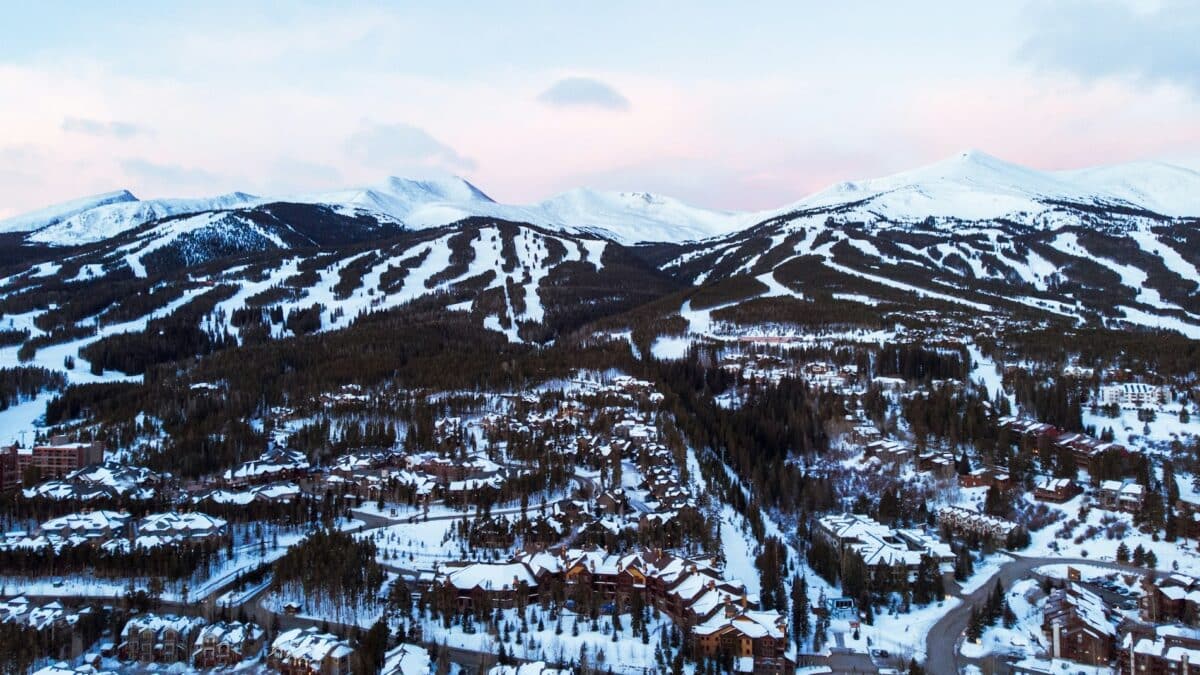
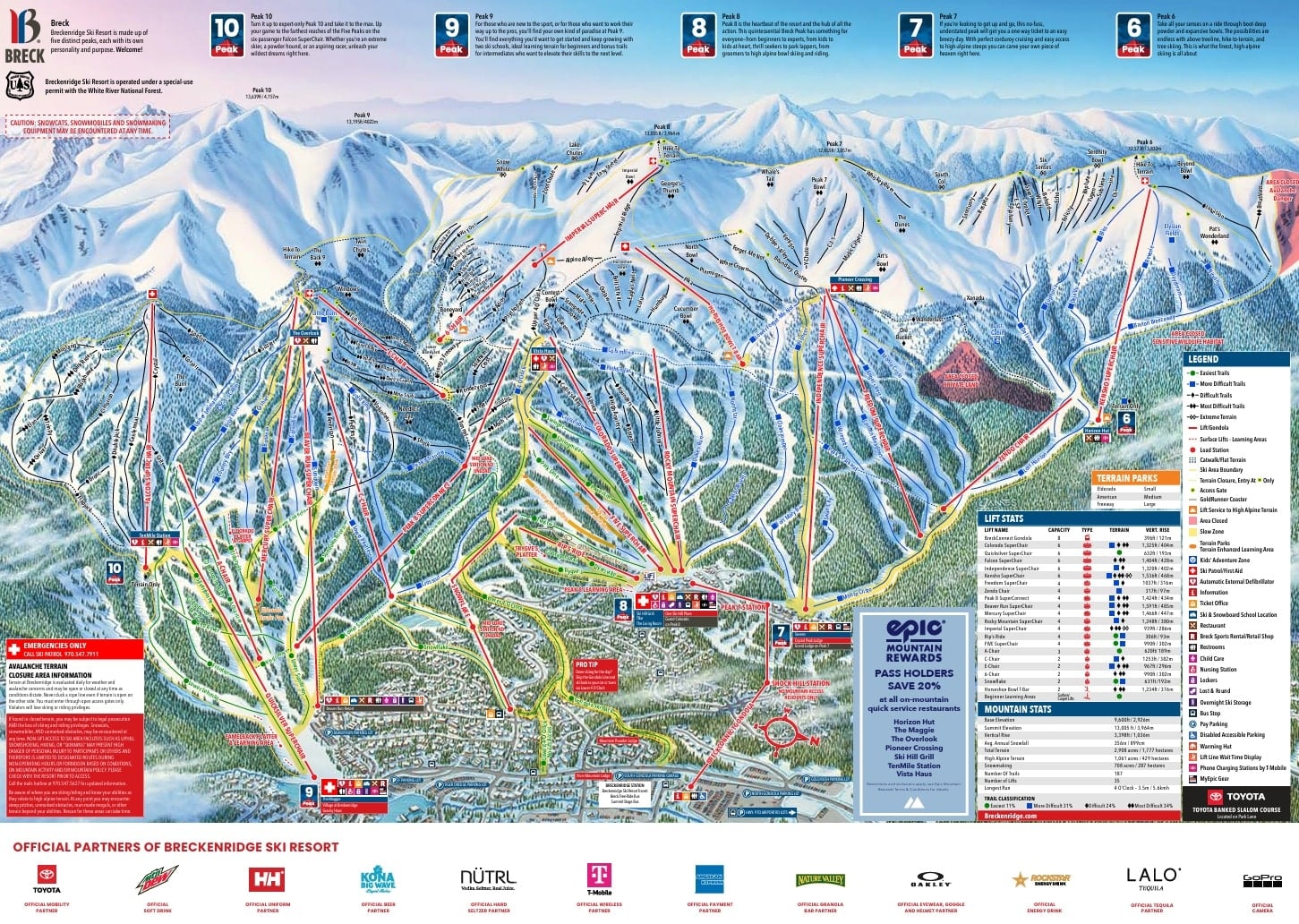
In December of 2020, John Litterer was snowboarding at Breckenridge Resort. While going down the Wirepatch trail, the Texan took a left turn on the Peak 8 Road. This route is also approved for employees to use snowmobiles on. The snowmobile, traveling at 8 mph under the 25-mile-per-hour speed limit, struck the snowboarder. The snowboarder was reportedly traveling at high speed when he made a left turn onto the road, which is considered a blind corner. The snowboarder allegedly only saw the snowmobile at the last moment, giving the individual minimal (if any) time to respond. Meanwhile, the snowmobiler caught a glimpse of someone ahead at the intersection. He began to slow down, moving to the edge of the trail to avoid a collision. However, the attempt to avoid him was for naught, as the two collided. This resulted in the snowboarder being injured.
In response, the Texan sued a subsidiary of Vail Resorts and the snowmobiler. The lawsuit alleges that they violated the Colorado Snowmobile Safety Act and the Ski Safety Act.
What I think this is going to come down to is whether his signed liability waivers should wipe Vail of the possible wrongdoing. For the ski season in which he injured himself, he signed the Epic Pass liability waiver. The thing that may end up costing John is that, despite the accident, he still got the next season’s Epic Pass. This purchase required him to sign another liability waiver.
Recent Cases Regarding Liability
Two recent cases seemingly weakened liability waivers in Colorado. In Miller vs. Crested Butte, a teenager never got fully seated on a chairlift. With no one reportedly watching around the base terminal, she eventually fell to the ground, resulting in her being paralyzed. The Supreme Court ruled the ski resort was negligent and awarded Miller $12.4 million, weakening the state’s ski resort liability measures.
The second recent case involves an amusement park, though people reach it by gondola. A kid riding a drop tower ride at Glenwood Caverns Adventure Park never had her seatbelt secured, resulting in her falling to her death. Colorado found the amusement park liable and called on the operator to pay the victim’s family $205 million. Although this payout was eventually reduced to $116 million, Glenwood Caverns filed for Chapter 11 bankruptcy earlier this year.
The issue with a ruling in favor of the snowboarder is that it would affect the effectiveness of contract law in the state. This would further hurt ski resorts and other recreation businesses in Colorado.
“I think it is destabilizing the contract law — and this is a contract — to say, we’re going to adopt a rule that adults don’t need to read things, we expect them not to read things, and we’re going to let them walk away because they haven’t read it,” said Michael Hofmann, the attorney representing Vail Resorts.
The ruling isn’t expected for a while, as the Colorado Supreme Court usually takes months to deliberate after hearing a case.
Image/Video Credits: Ethan Walsweer, BreckSnowPro, Breckenridge Ski Resort
