


North Cascades, Washington – While many people think that Yellowstone and Yosemite are America’s most dangerous National Parks, it is actually the North Cascades in Washington State due to its unusually high fatality rate per visitor. Recent reporting based on a law-firm analysis using National Park Service visitation data found North Cascades had about 601.7 deaths per 10 million visits from 2007 to 2024. By this statistic, North Cascades National Park has the highest deaths of any national park by a wide margin.
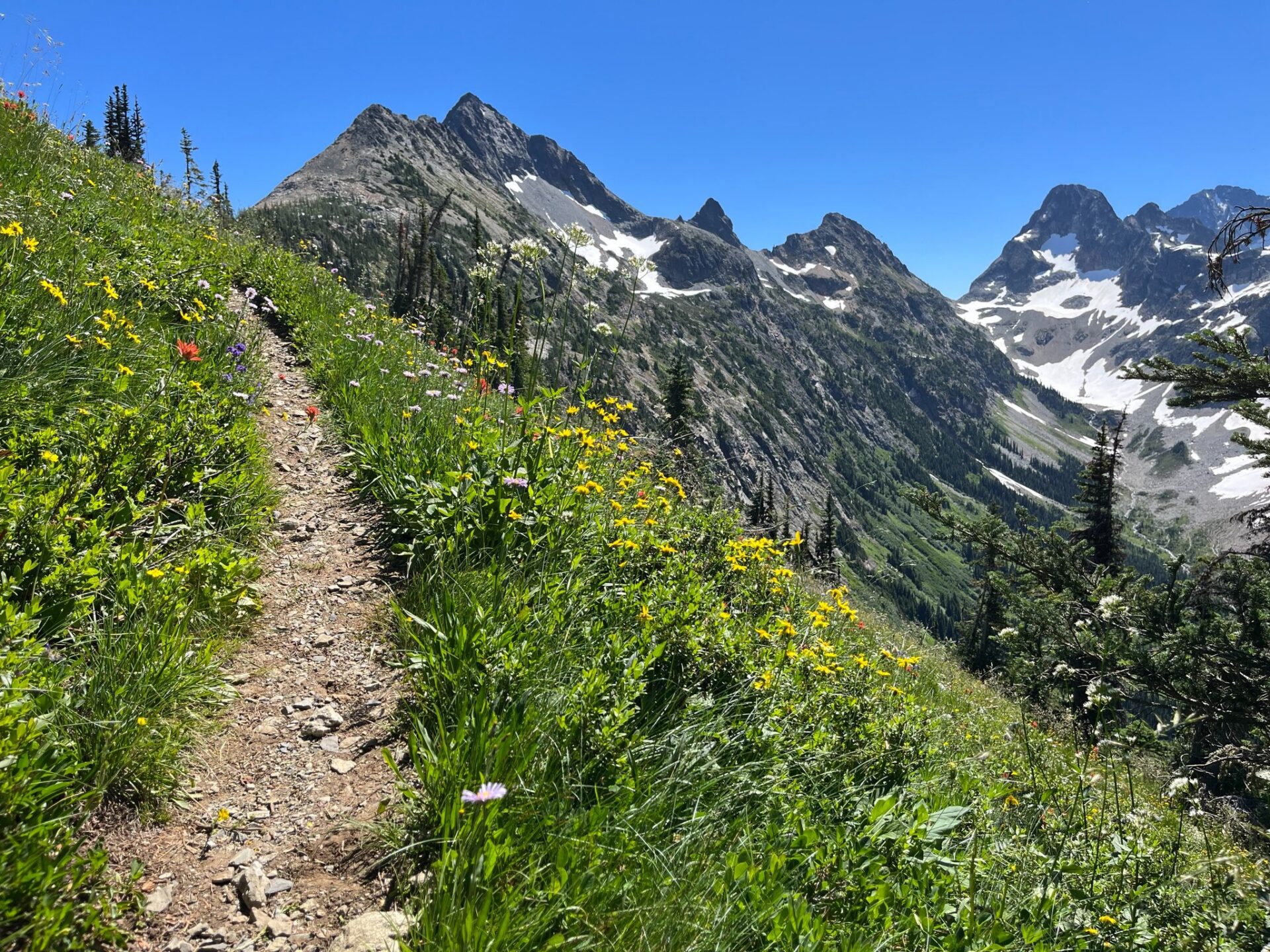
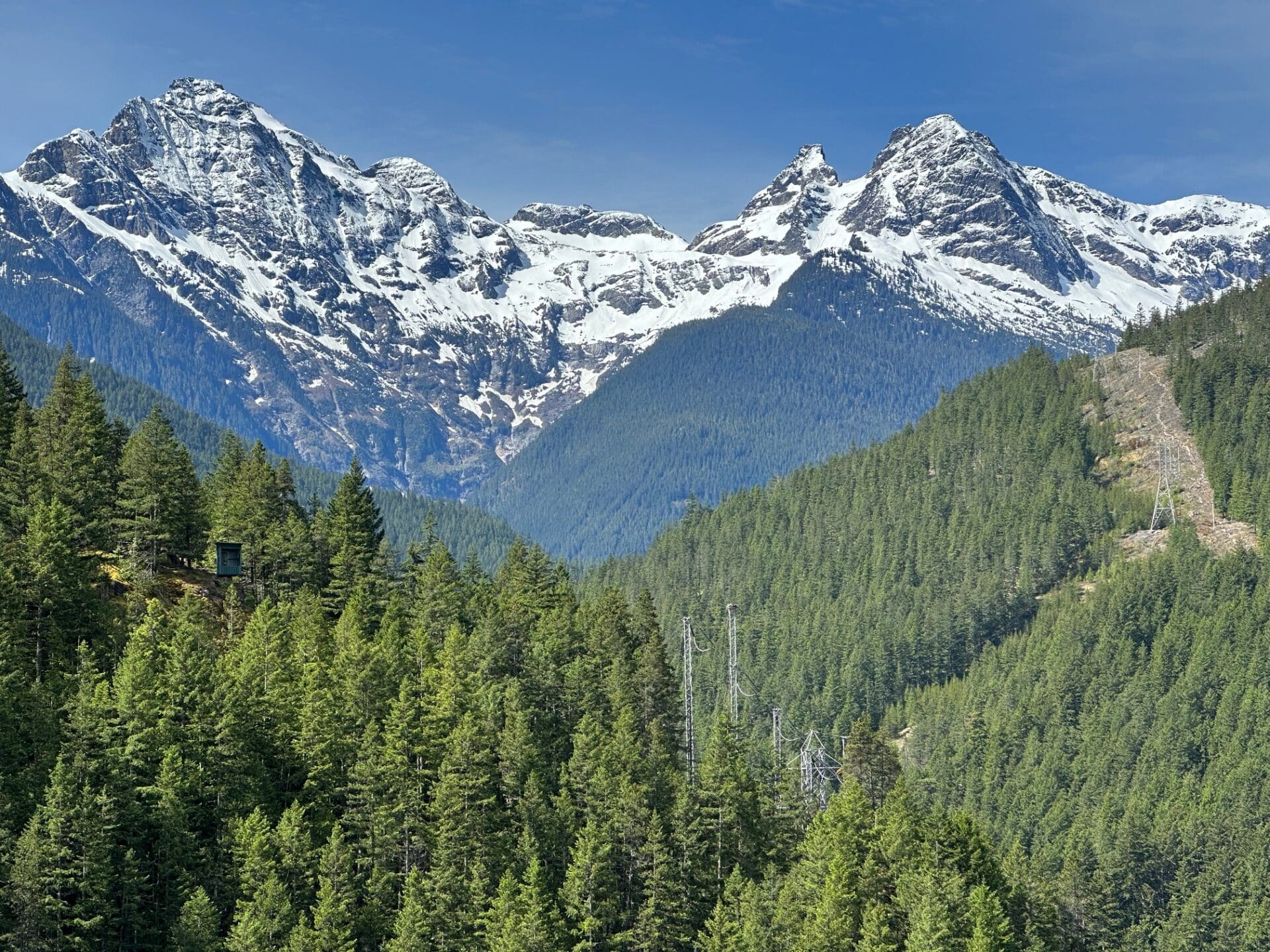
The park’s danger is mainly tied to its physical setting. The National Park Service describes North Cascades as a steep, heavily glaciated mountain landscape with more than 300 glaciers in the park complex, rapid weather changes, and winter hazards including avalanches, flooding, trail washouts, and swollen creeks and rivers. Those conditions create risks such as falls, rockfall, avalanche exposure, cold-water incidents, and difficult rescues, especially in remote backcountry areas.
Another reason the park’s death rate stands out is low visitation. One report citing National Park Service figures said North Cascades had only 448,708 visits from 2007 to 2024, so even a relatively small number of fatalities produces a high per-visitor death rate. In other words, the park is judged “deadliest” by risk per visit rather than by raw death count.
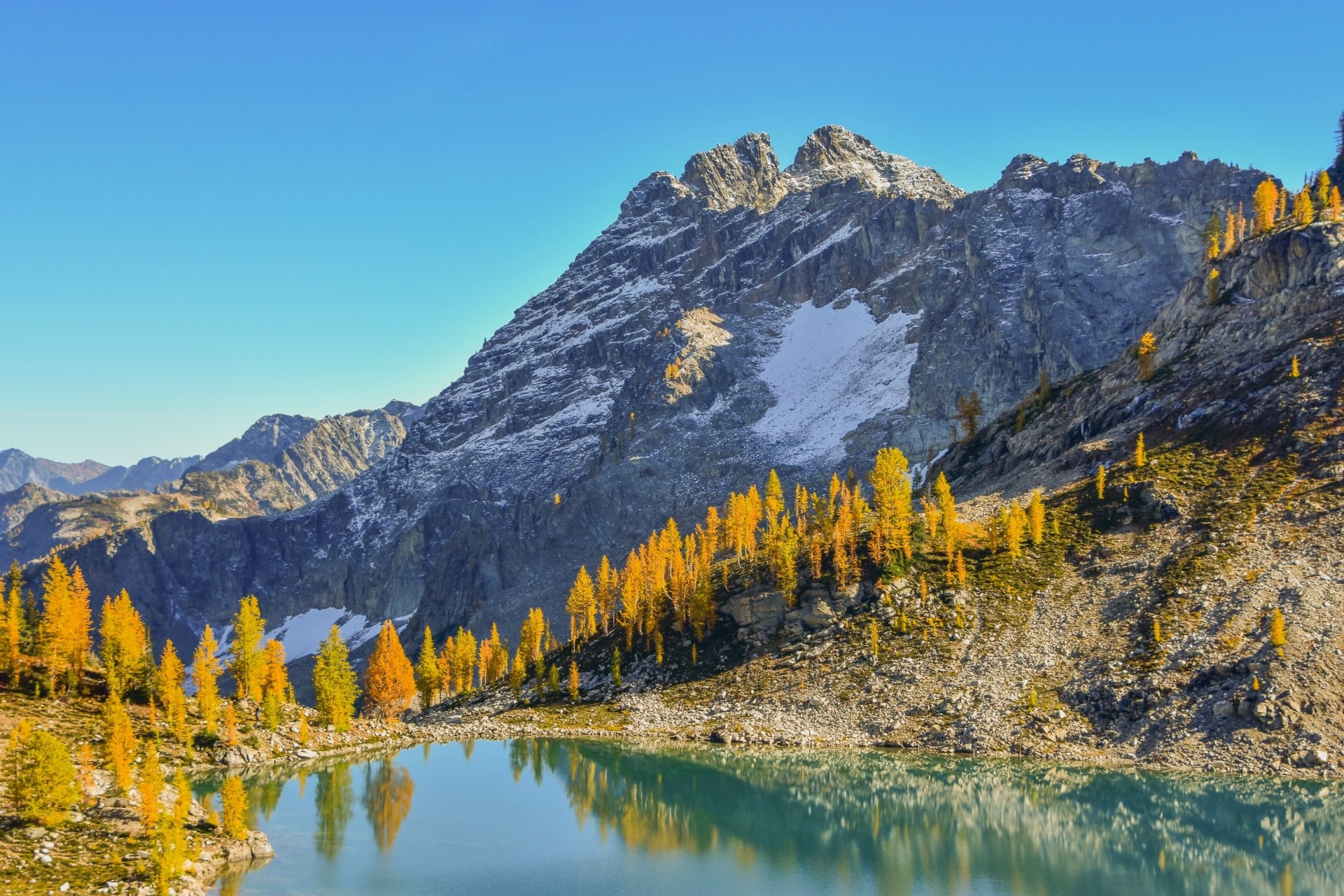
Join Landon from Topo Traveler as he explores the extremely remote region that is home to North Cascades to see why it is widely considered the most deadly National Park in the United States.
