

The planet is covered in water, with about 71% of the Earth’s surface being water covered. But 96.5% of all water on the planet is in the oceans, and only about 2.5% of the planet’s water is liquid fresh water. Liquid fresh surface water, representing mostly lakes and rivers, makes up just 0.008% of the Earth’s water, even though that’s what supports most of human life and activity.
The Great Lakes of North America represent some of the largest lakes in the world, with Lake Superior standing as the largest fresh water lake by surface area in the entire world. When it comes to freshwater lake sizes by volume, little comes close to Lake Baikal in south-east Siberia.
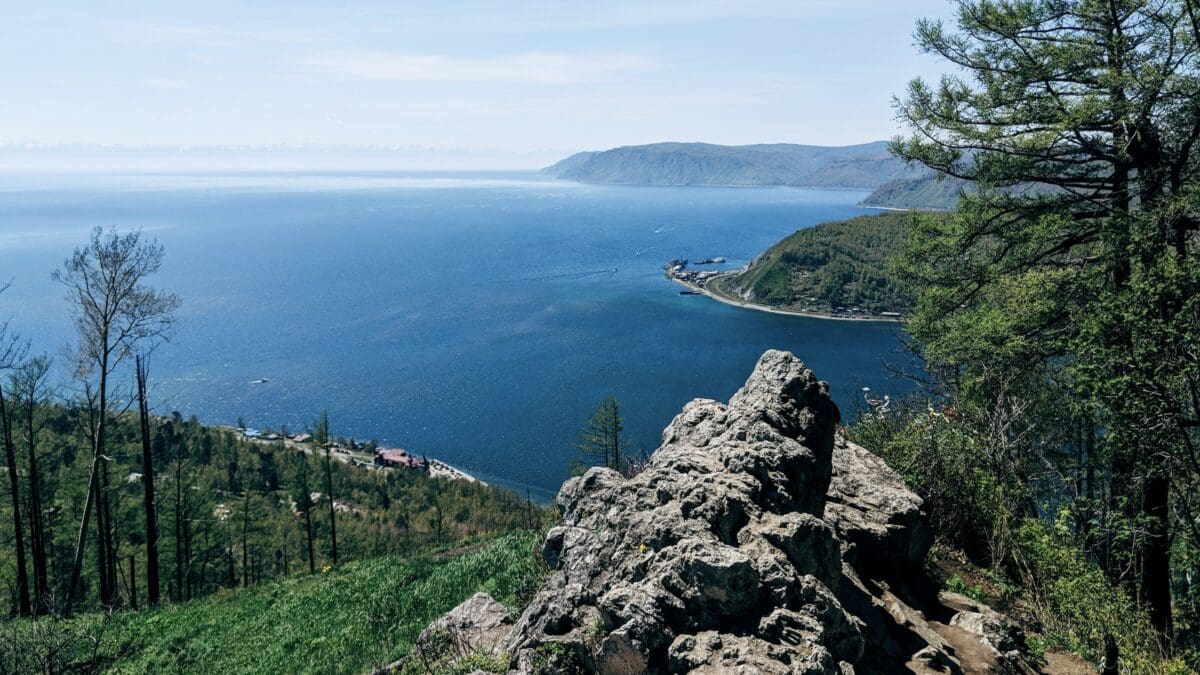
Lake Baikal contains 20% of the world’s total unfrozen freshwater reserve. It’s not only the largest freshwater lake by volume in the world, it’s also the oldest lake in the world, sitting at 25 million years old. Due to its age and isolation, Lake Baikal contains some of the world’s richest and most unusual freshwater faunas, earning it the nickname “Galapagos of Russia.”
Lake Baikal’s staggering volume and ecological significance make it a natural wonder worth exploring further. Holding approximately 5,670 cubic miles of water, it surpasses the combined volume of all five Great Lakes in North America. Its depth, reaching over 5,300 feet at its deepest point, contributes to its massive capacity, making it the deepest lake on Earth. This immense body of water is so vast that it could theoretically contain all the water from every river on the planet for an entire year.
Beyond its sheer size, Lake Baikal’s unique ecosystem is a treasure trove for scientists and nature enthusiasts alike. The lake is home to over 1,700 species of plants and animals, two-thirds of which are endemic, found nowhere else on Earth. The Baikal seal, or nerpa, is one of the only freshwater seal species in the world, thriving in the lake’s pristine waters. Its crystal-clear water, filtered by microscopic organisms, allows visibility up to 130 feet, offering a glimpse into its vibrant underwater world.
The lake’s cultural and historical significance is equally profound. Indigenous groups, including the Buryat people, have revered Baikal for centuries, weaving it into their spiritual traditions. Today, it faces challenges from pollution and climate change, prompting global conservation efforts to protect this UNESCO World Heritage Site. For adventurers, Lake Baikal offers year-round allure, from summer kayaking to winter ice skating on its frozen surface, making it a must-visit destination for those seeking nature’s grandeur.