
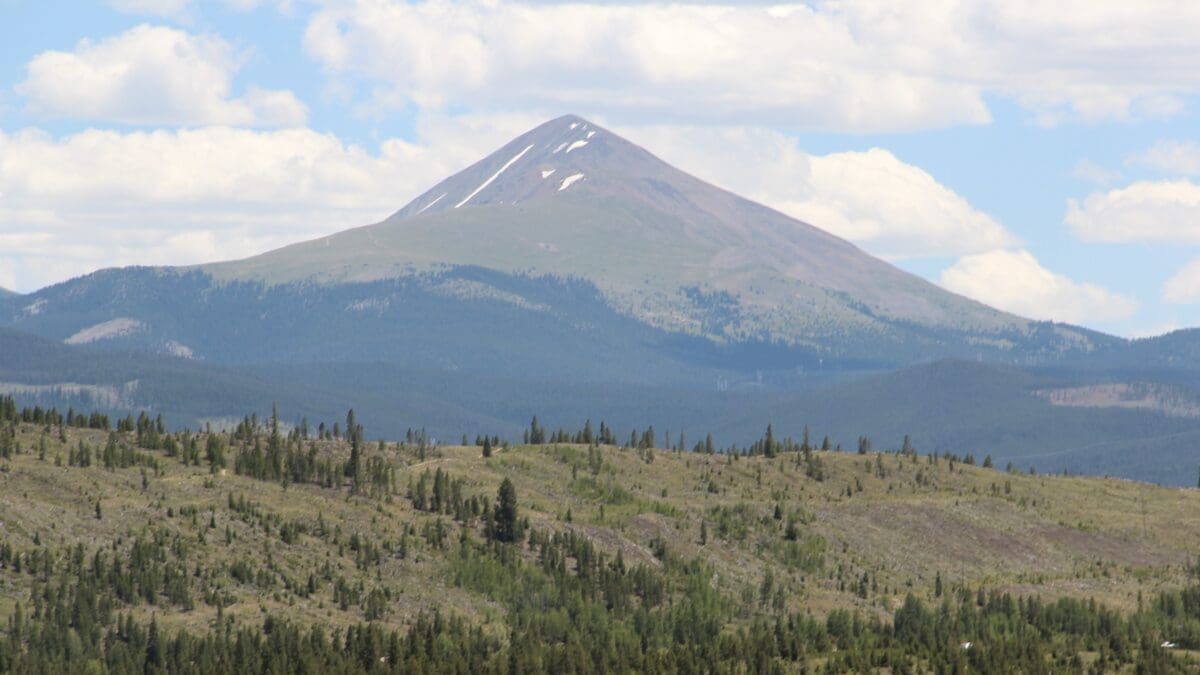

On a recent backcountry hike in Summit County, Colorado, a hiker began experiencing severe difficulty breathing and could only manage to walk about 10 feet at a time. The hiker’s symptoms were those of High-Altitude Pulmonary Edema (HAPE), a potentially fatal form of altitude sickness. Thanks to a response from local deputies, the Summit County Rescue Group, and a Flight for Life helicopter, the hiker was quickly airlifted to a hospital for medical treatment.
The Rescue Operation
According to the Summit County Sheriff’s Office, both deputies and the Summit County Rescue Group responded to the scene. The Summit County Rescue Group is a non-profit, all-volunteer organization. They receive their funding primarily through individual donations, grants, and fundraising.
This rescue underlines the importance of preparedness and rapid response in backcountry emergencies. There’s a very good chance that Summit County’s skilled search and rescue teams, combined with access to air medical services, made the difference in this hiker’s survival.
What Is High-Altitude Pulmonary Edema (HAPE)?
High-altitude pulmonary edema (HAPE) is a serious condition that can affect hikers, skiers, climbers, or anyone else recreating at altitude. It typically happens at or above 8,200 feet, putting many hikes and ski resorts in Colorado well within that range. It’s a severe form of altitude sickness, causing fluid to collect in your lungs. HAPE can cause difficulty breathing, a cough, a high heart rate, fast breathing, low fever, and more.
Studies have shown that about 6% of people who ascend 14,800 feet over one or two days will experience HAPE. High-altitude pulmonary edemas are first treated with supplemental oxygen. Those who suffer from HAPE should descend at least 1,000 feet and as much as 3,300 feet. Hyperbaric therapy in the form of a portable hyperbaric chamber or medications may also be used.
Staying Safe in High-Altitude Environments
For those planning to explore high-altitude destinations like Colorado’s backcountry, taking precautions can prevent incidents like this. The CDC recommends the following to reduce the risk of altitude-related illnesses:
- Spend a day or two at intermediate elevations (8,000–9,000 feet) before ascending higher to give your body time to adjust to the lower oxygen level.
- Drink plenty of water to help your body adjust to altitude.
- Avoid drinking alcohol or doing heavy exercise for at least the first 48 hours after arriving at an elevation above 8,000 feet.
- Talk to your doctor about medicines to prevent acute mountain sickness if your itinerary does not allow for gradual travel to a higher elevation.
If symptoms of acute altitude illnesses appear, stop ascending and travel to a lower elevation to avoid becoming seriously ill or dying if your symptoms continue to get worse. If symptoms of high-altitude pulmonary edema appear, the person with these symptoms must immediately move to a lower elevation.