Love this recent missive from the good folks at Mount Rainier National Park who want their visitors to embrace the slow pace that bikers and turn momentary traffic instances into an opportunties for serenity rather than frustration:
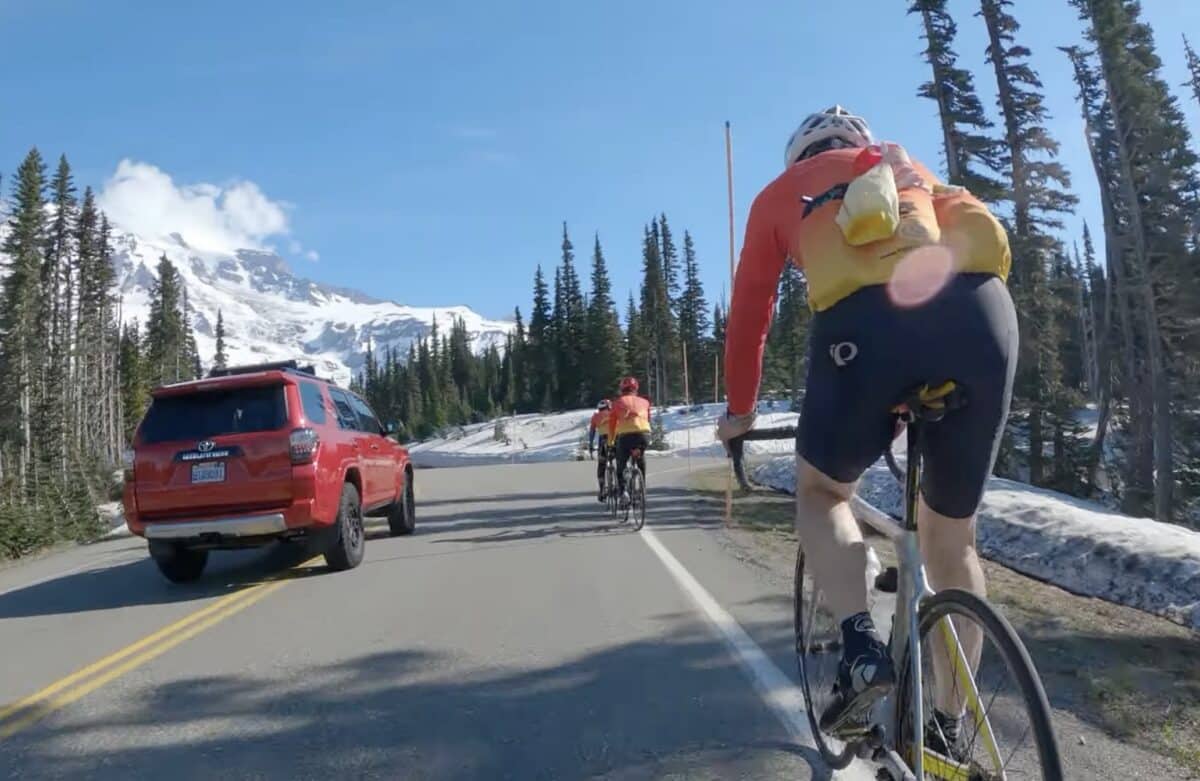
“It is a rite of spring here in the park to come upon a long line of cars driving slowly behind a cyclist or RV. While you wait patiently until it is safe to pass, take a moment to appreciate the advance planning that must be required to ride along narrow, steep, winding roads, in a remote area far from any kind of assistance. Rest assured, with the kind of calm you are displaying, everyone will reach their destination in top form.” –Mount Rainier National Park
Sharing the road with cyclists can be divisive topic on good day but one there is one thing we can all agree upon, if you are in a super rush and frantic state of mind when visiting one of 433 units that represent America’s National Park System, you are surely doing it wrong.
Plan ahead, be respectful of National Park policies and appreciate that everyone is sharing the road to experience the same incredible landscapes, and a slower pace is exactly what you need to truly see them.
About Bicycling At Mount Rainier National Park
At Mount Rainier, bicyclists can enjoy bicycling that is both challenging and scenic. Bicycles are allowed on park roads but they are not permitted on any hiking trails and the park does not have any designated bike trails.
September and early October are generally excellent times for bicyclists to visit Mount Rainier. During these months, there are usually fewer vehicles on the roads and fall colors enhance the scenery. However, many facilities and services are reduced or discontinued after Labor Day due to the probability of snowfall.
Be aware that the park may temporarily close any road to bicycle use. Signs will mark closed roads and bicyclists can check current road status when planning a trip. Availability of bicycling equipment in or near the park is very limited and bicyclists should be prepared to make repairs on their own. For your safety, wear a helmet.
Bicycling Safety & Regulations
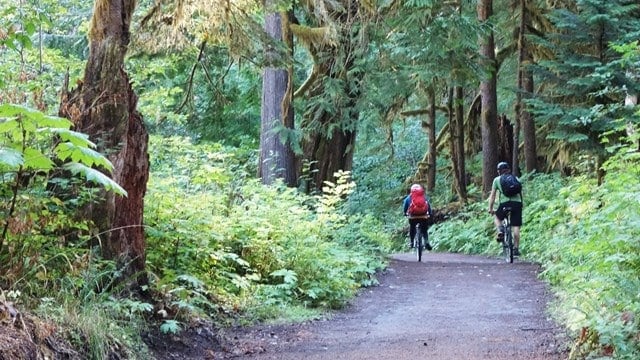
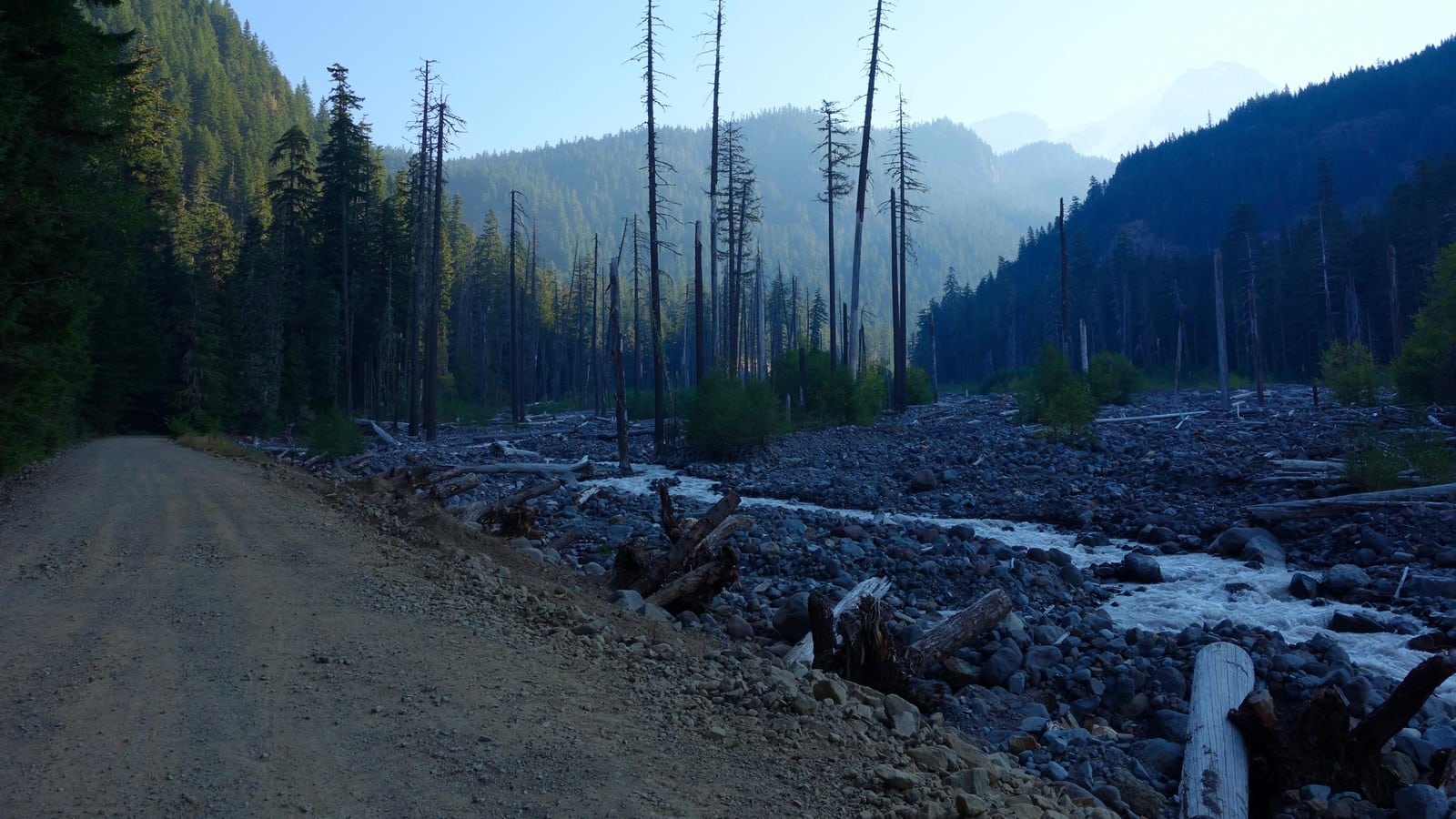
Park roads are steep, narrow, winding and have unpaved shoulders. There are several significant elevation gains and losses. Bicyclists are advised to maintain safe speeds on downhill sections. While in the park, bicyclists are required to ride single file. Bicyclists may ride two abreast only on Westside Road and Carbon River Trail (former road), where vehicles are not allowed. However, please be aware of hikers also using those routes and yield to hikers.
Most of the park does NOT have cell coverage.
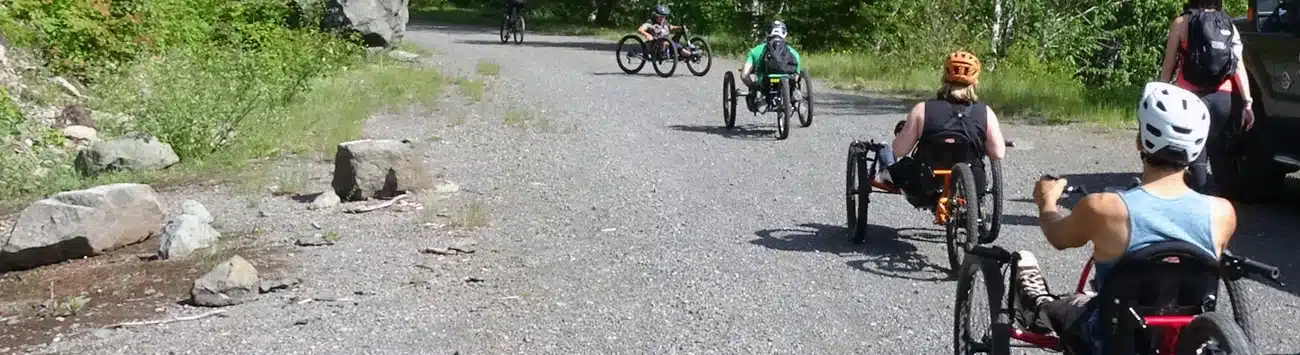
Please follow these safety guidelines and regulations when bicycling in Mount Rainier National Park:
- Know your physical limits. Most routes include steep and strenuous elevation gains. Carry plenty of water and food to keep you fueled.
- Bicyclists are advised to maintain safe speeds on downhill sections.
- Be prepared for changing conditions and weather. Temperatures may be hot at low elevations and much colder as you climb to higher elevations.
- Follow the same rules of the road as motorists. Bicyclists have the same rights and responsibilities as drivers.
- While in the park, bicyclists are required to ride single file. Mount Rainier’s roads are narrow, winding, and do not have shoulders. Park roads can have heavy summer traffic, including RVs.
- Bicyclists may ride two abreast only on Westside Road and Carbon River Trail (former road), where vehicles are not allowed. However, please be aware of hikers also using those roads and yield to hikers.
- Use hand signals to let motorists know what you will be doing next.
- Use lights and reflectors in low-light conditions, especially when riding through the forests at lower elevations.
- Use a white light or reflector that is visible from a distance of at least 500 feet to the front.
- Use a red light or reflector that is visible from at least 200 feet to the rear.
- In addition to low light conditions, bicyclists will frequently be riding in mixed sun and shade. Using lights and reflectors in these conditions will help bicyclists be more visible.
- Wear brightly colored, high visibility clothing and a properly fitting helmet.
- Carry identification and emergency medical information.
- Treat pedestrians with the same courtesy you would expect from motorists.
- There is no cell coverage in most areas of the park. In case of emergency, call 911 if possible or report to a ranger.