

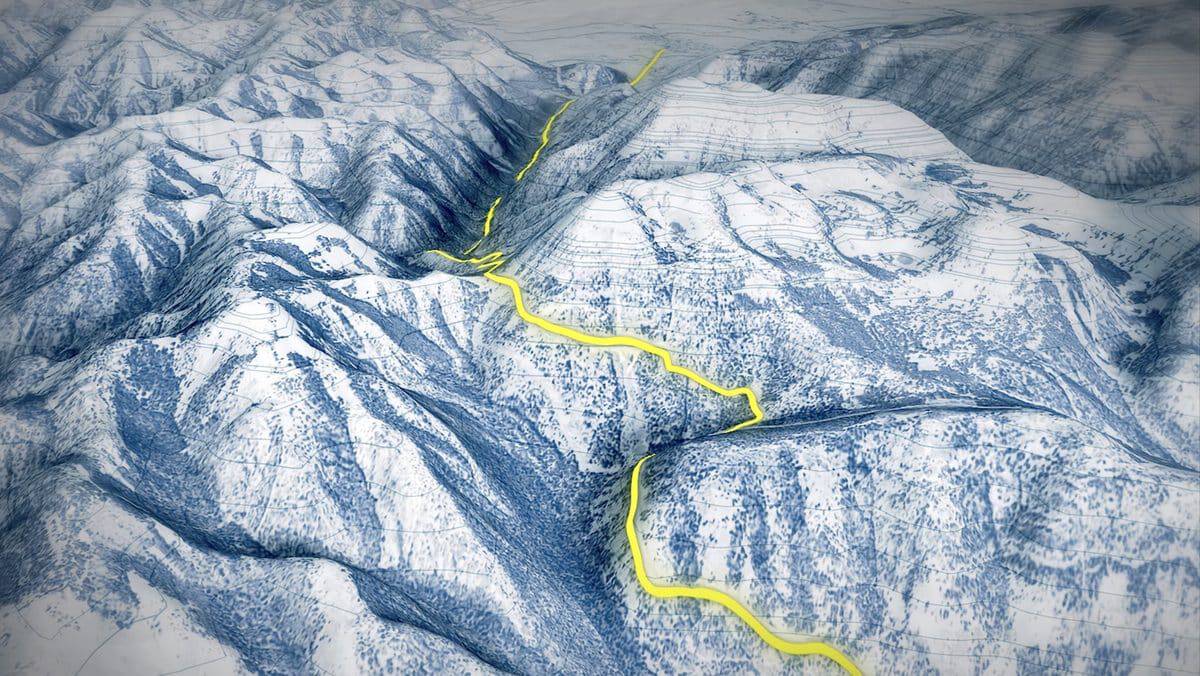
JACKSON, Wyo. — Keeping Teton Pass open during a Wyoming winter takes a lot more than snowplows. The highway crosses 12 named avalanche paths, and keeping the road safe sometimes requires remote-controlled explosives, hand charges and even a World War II-era howitzer.
A new 10-minute documentary, Teton Pass: A Dance with Nature, takes viewers behind the scenes with the Wyoming Department of Transportation (WYDOT) crews responsible for keeping one of the steepest mountain passes in the Lower 48 open to traffic. The film explores the dangerous work of avalanche mitigation, the history of the mountain crossing and the people who maintain this essential connection between Jackson Hole, Wyoming, and Teton Valley, Idaho.
Using Explosives to Keep Avalanches Off the Road
The documentary follows WYDOT avalanche specialists as they assess snow conditions and determine when to close the highway for avalanche control. Teton Pass crosses several major slide paths, including Glory Bowl, Twin Slides and the Beaver Slides, where avalanches can deposit enormous amounts of snow directly onto the pavement.
Crews use a combination of remote-controlled Gazex avalanche-control systems, hand-placed explosives and an M101 howitzer originally designed for military use. The artillery allows avalanche specialists to target dangerous slopes from a distance, including during storms when visibility is too poor to see the mountainside.
A Mountain Crossing With Thousands of Years of History
Beyond modern avalanche mitigation, the documentary explores the history of Teton Pass as a travel corridor dating back thousands of years. Indigenous peoples used the route long before modern roads existed, traveling through the mountains to hunt, gather plants and collect obsidian.
Early wagon travelers sometimes needed weeks to cross the mountains, using entire trees dragged behind their wagons to slow their descent. As roads improved, the crossing became an increasingly important connection between communities on either side of the Tetons.
The film also recounts a remarkable episode in 1940, when state officials stopped plowing Teton Pass because maintaining the road was considered too expensive. Local residents borrowed equipment and cleared the highway themselves, helping convince the state to resume winter maintenance.
Another ambitious engineering project involved building a bridge across the Glory Bowl avalanche path. A massive avalanche damaged the structure before it was completed, eventually contributing to the development of the avalanche forecasting and mitigation program that continues today.
Keeping Teton Pass Safe Is a Community Effort
The film arrives as Wyoming implements a new program aimed at improving driver safety on the notoriously challenging highway. The WY22 Safe Pass program provides education about mountain driving hazards, including steep grades, braking techniques and winter conditions.
Under rules that took effect October 1, 2026, drivers operating recreational vehicles, towing trailers or driving vehicles meeting specified 10,000-pound weight thresholds must complete an annual self-certification process. Other motorists are encouraged to participate voluntarily.
The film offers an appreciation for the work that makes everyday travel over Teton Pass possible. For the thousands of commuters, skiers and visitors who depend on the road, the relative ease of crossing the mountains is the result of decades of engineering, avalanche research and crews willing to work through the worst conditions winter can deliver.
