

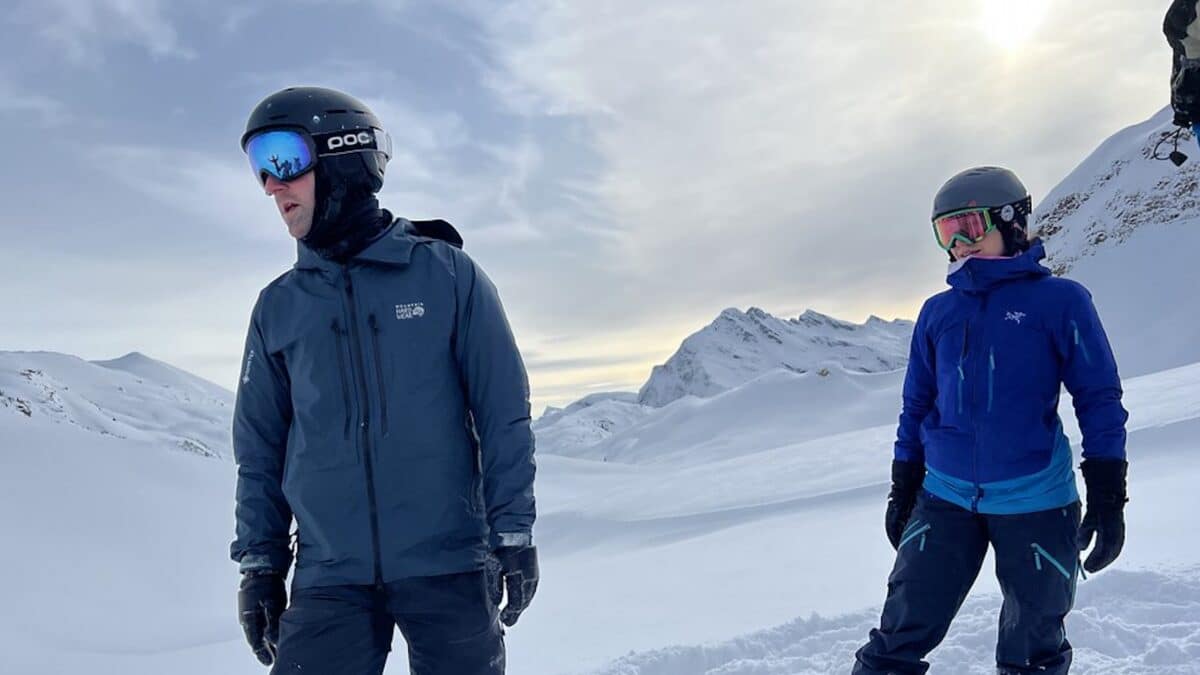
Ski and snowboard gear quickly gets expensive, and goggle lenses are another piece of equipment that can leave many skiers wondering whether they really need to spend the extra money. Many ski goggles come with interchangeable lenses, often including one designed for sunny days and another for cloudy or snowy conditions. But is having multiple lenses actually necessary, or can you get away with using the same pair all season?
The answer tends to depend on where you ski, how often you hit the mountain, and how much changing light conditions bother. Having multiple lenses can absolutely make a noticeable different throughout the season, but most recreational skiers probably don’t need a massive collection.
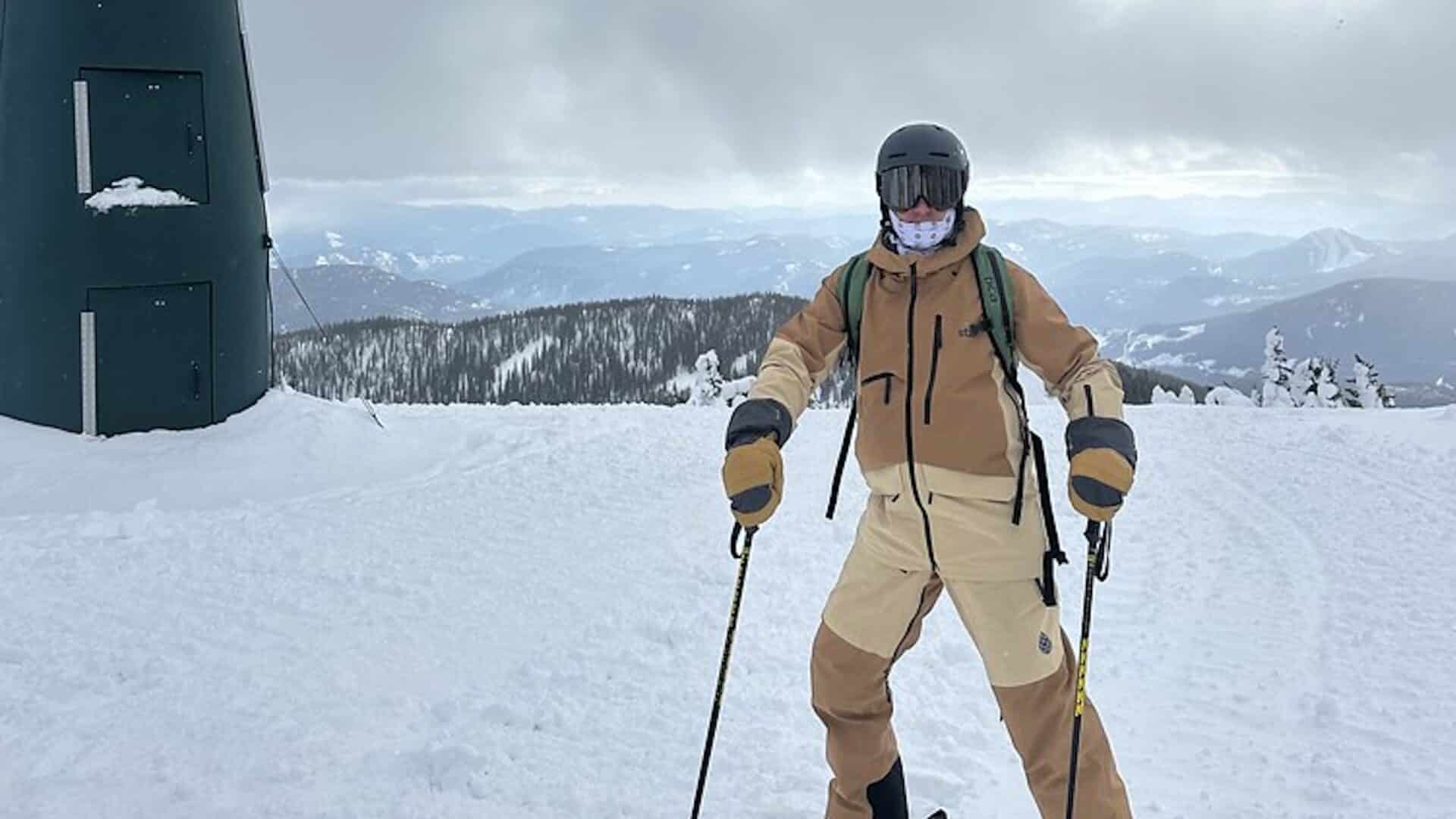
Why Different Goggle Lenses Matter
Not all goggle lenses are designed to handle the same lighting conditions. Visible light transmission, or VLT, is the biggest difference in lenses. This percentage measures how much light passes through a lens and actually reachers your eye.
On a bright, sunny day, a lower VLT will reduce the incoming light and glare. Overcast, snowy, or low-light days often call for a higher VLT, where more light can get through the lens. REI generally recommends a VLT of less that 25% for the brightest days and a VLT above 50% for the cloudy days. Night skiing, meanwhile, calls for VLT ratings approaching 100%.
The color of the lens can be important to you when it comes to style, but it’s not necessarily the most important factor for your vision. Rose, amber, and yellow lenses are often associated with lower light conditions, while darker mirrored lenses are great for a sunny day. The actual VLT rating is a much better indicator than color alone, though.
Do You Really Need More Than One Lens?
If you’re regularly encountering everything from bluebird skies to heavy snowfall, having at least a second lens is absolutely worth it. A dark lens that works great on a sunny morning might turn into a miserable experience when the clouds roll in and visibility deteriorates.
Anyone who’s skied or snowboarder in flat-light conditions with a lens designed for brighter days knows how terrifying it can get when you can’t distinguish between bumps, dips, and other terrain features. The higher-VLT lens improves contrast in low light and makes it a lot easier to read the mountain.
If you’re skiing in consistent conditions, you might only need one pair to match those conditions. But none of us can control the weather, so having two pairs of goggles or two lenses can be a life saver.
The Alternative to Carrying Multiple Lenses
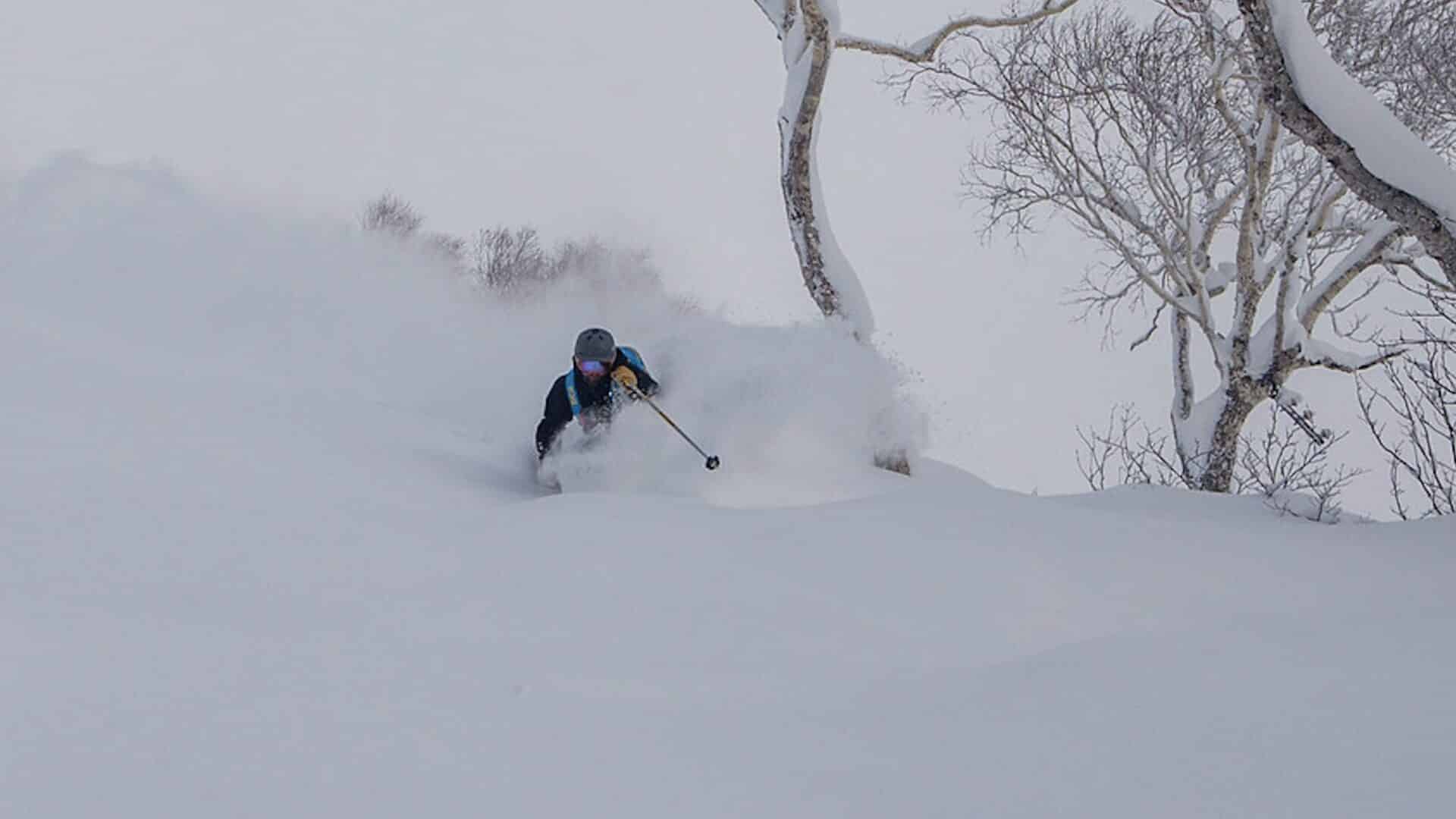
If you don’t want to swap your lenses and you want to rock with just one pair, photochromic goggles are designed to automatically adjust their tint based on ultraviolet light, getting darker in bright conditions and lighter when visibility falls.
These lenses cover a range of lighting conditions, but they do typically cost more than just getting two lenses. I’ve never skied with photochromic lenses myself, but I’ve tried them on around the shop and it’s pretty impressive how quickly they brighten up and darken.
So, Do You Actually Need Multiple Ski Goggle Lenses?
If you’re an occasional skier who sticks mostly to sunny weekends, you could probably get away with one quality lens. But having options is hugely helpful, and if you’re planning to ski whenever you get the chance, you should make sure you have some dedicated low-light and high-light lenses.
You don’t need to purchase the most expensive goggle on the market or have a lens in every different color, but just getting a few pairs to stay prepared is definitely important.