

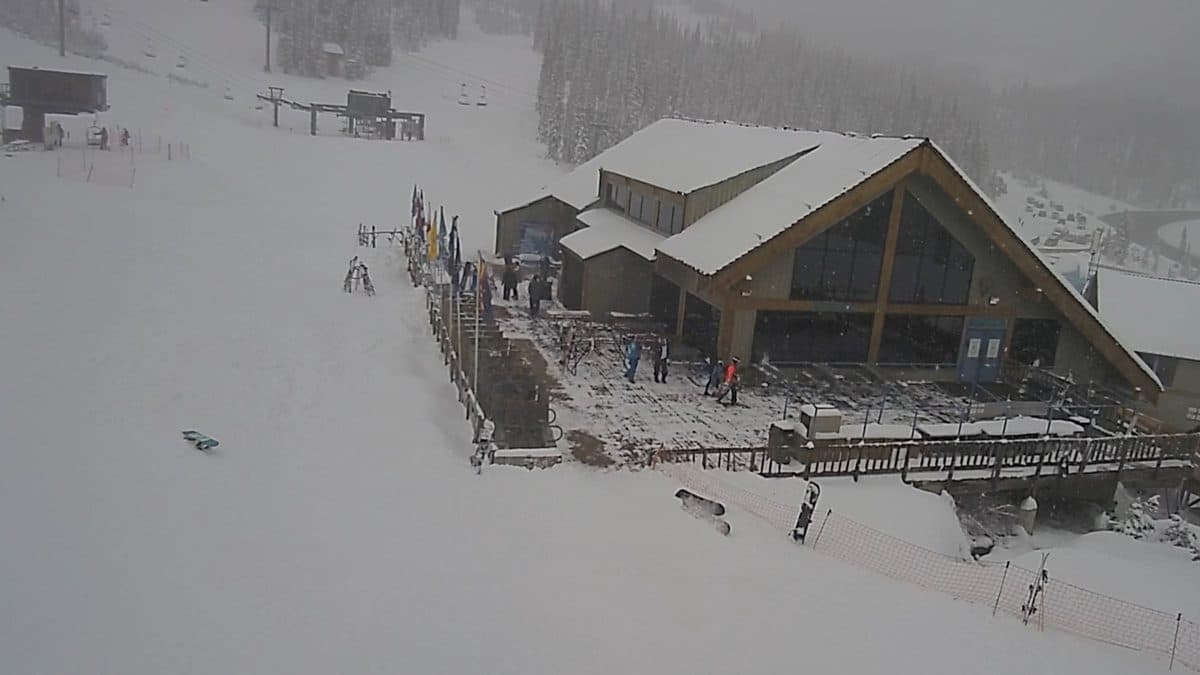
November 14, 2026 | Updated Snow Report
Winter is making a serious entrance across the American West. Mt. Rose has picked up as much as 14 inches of fresh snow, Mammoth Mountain is reporting up to 13 inches in just 24 hours, and Colorado’s Wolf Creek is sitting on a 31-inch midway snowpack. And more snow could be on the way.
The 2026–27 ski season is finally starting to look like winter.
A series of Pacific storms has delivered fresh snow to the Sierra Nevada, while resorts across Colorado, Utah, and the Canadian Rockies are building their early-season snowpacks. Several mountains are already spinning lifts, and more are preparing to open ahead of Thanksgiving.
For skiers and snowboarders wondering where the snow is falling, a few mountains are standing out.
Here’s a look at some of the biggest recent snowfall totals in North America, the resorts with the deepest reported bases, and where the next round of snow could fall.
Which Ski Resorts Have Received the Most Snow?
Based on resort reports and recent snowfall data from OnTheSnow, the Sierra Nevada is leading the early-season snowfall story.
Mt. Rose Ski Tahoe, located just outside Reno, Nevada, is the standout, reporting up to 14 inches of fresh snow.
Recent Reported Snowfall — November 14, 2026
| Ski Resort | Location | Recent Snowfall |
|---|---|---|
| Mt. Rose Ski Tahoe | Nevada | 12–14 inches |
| Mammoth Mountain | California | 9–13 inches |
| Sierra-at-Tahoe | California | 9 inches |
| Heavenly Mountain Resort | California/Nevada | 8 inches |
| Snowbird | Utah | 5 inches |
| Wolf Creek Ski Area | Colorado | 4 inches in an earlier three-day report; 12 inches in a newer storm update |
| Alta Ski Area | Utah | 4 inches |
| Brighton Resort | Utah | 4 inches |
Note: These are selected recent resort snowfall reports, not a comprehensive continent-wide ranking. Most figures represent reported three-day snowfall, while Mt. Rose and Mammoth’s updated amounts reflect their latest 24-hour storm reports. Wolf Creek’s figures come from different report updates and should not be added together. Some resorts have yet to open.
The standout story is California and Nevada, where the first significant November storms are beginning to transform the mountain landscape.
But fresh snowfall is only part of the equation. How much terrain is actually open?
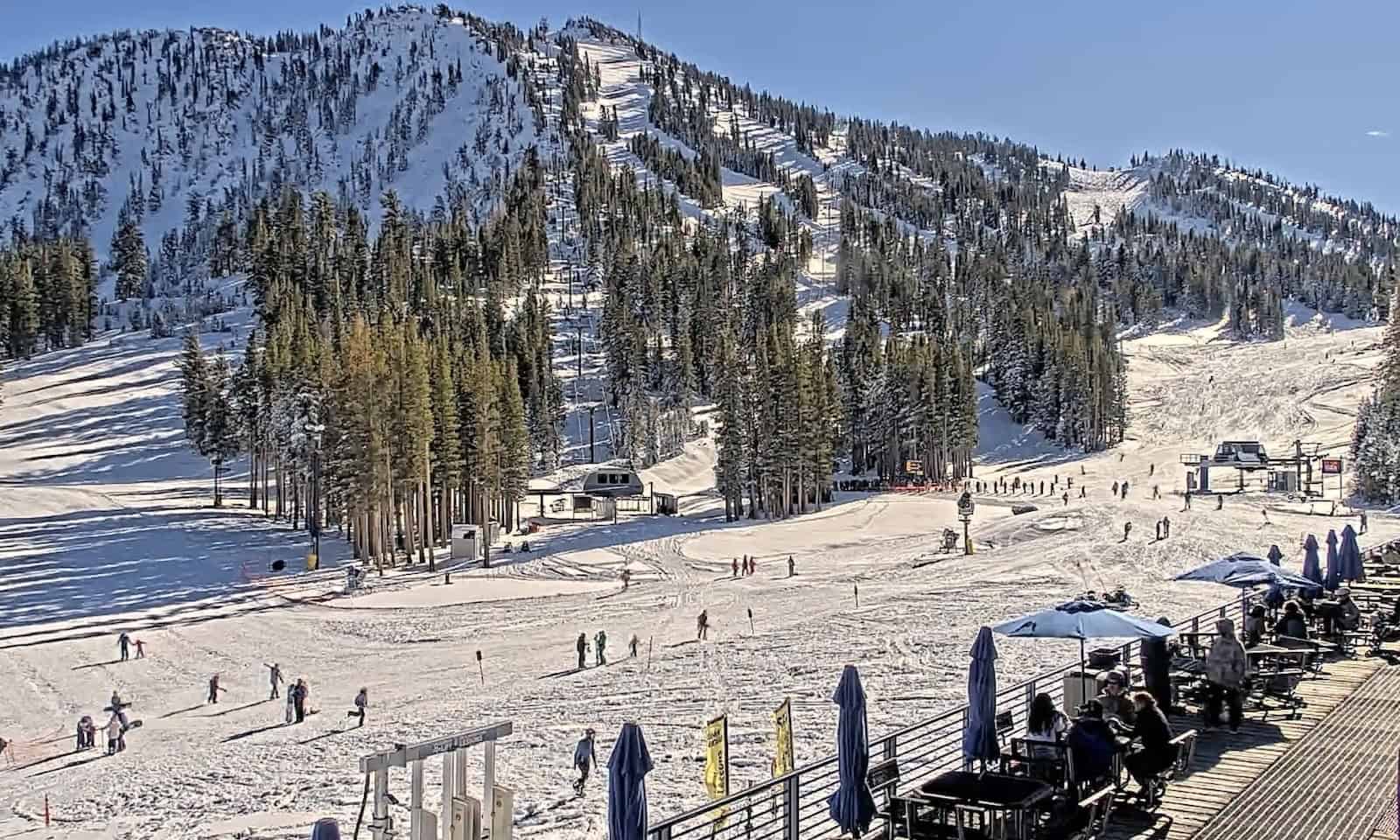
1. Mt. Rose Ski Tahoe, Nevada — Up to 14 Inches of Fresh Snow
One of the biggest winners from the latest Sierra Nevada storm is Mt. Rose Ski Tahoe, just outside Reno.
The resort is reporting 12 to 14 inches of new snow, putting it at the top of this roundup for recent snowfall.
According to its November 14 snow report:
- New snow: 12–14 inches
- Reported base depth: 10–18 inches
- Season snowfall: 20–34 inches, depending on measurement location
- Status: Open with limited early-season terrain
Mt. Rose opened for the 2026–27 ski season on November 6, making it one of the first ski areas in the Lake Tahoe region to welcome skiers.
The latest storm has improved conditions considerably, although terrain remains limited.
The resort has been offering access through the Lakeview Express lift, with several runs available as conditions permit.
For anyone looking to ski fresh snow in the Tahoe region this weekend, Mt. Rose is one of the most interesting options.
Check the official Mt. Rose snow report for the latest lift operations and conditions.
2. Mammoth Mountain, California — 9 to 13 Inches in 24 Hours
Mammoth Mountain is another early-season standout.
The California resort reported between 9 and 13 inches of new snowfall during the 24 hours ending Saturday morning, November 14.
That’s a substantial storm for a mountain that opened its season more than a week ahead of schedule.
Mammoth began welcoming skiers on November 5, eight days earlier than its originally planned November 13 opening.
Its reported base depth has ranged from approximately 16 to 25 inches, although only a small portion of the mountain is currently available.
The new snowfall could help improve coverage and allow the resort to expand operations if temperatures and snowmaking conditions cooperate.
And the next storm may not be far behind.
According to the latest Mammoth Lakes snow update, additional snowfall is expected as another Pacific weather system approaches the region.
For California skiers, Mammoth is becoming one of the most closely watched mountains heading toward Thanksgiving.
3. Wolf Creek, Colorado — 31-Inch Snowpack and More Than Half the Mountain Open
While the Sierra Nevada has been grabbing headlines for fresh snowfall, Colorado’s Wolf Creek Ski Area has been building one of the most impressive early-season snowpacks among operating resorts in this roundup.
According to its updated November 14 figures:
- Midway snow depth: 31 inches
- Season snowfall: 51 inches
- Recent new snow: 12 inches
- Terrain open: Approximately 54.5%
- Skiable terrain: 872 acres
That’s an impressive amount of terrain for the middle of November.
Wolf Creek reopened for weekend operations on November 14 following historic flooding that damaged roads and infrastructure throughout southwestern Colorado.
The flooding forced the ski area to temporarily suspend operations despite favorable early-season snow conditions.
As Unofficial Networks previously reported, the resort planned to operate five lifts during its November 14–15 reopening.
Wolf Creek also continues to warn visitors about early-season hazards, including rocks, unmarked obstacles, and potential open water.
Visitors should check the official Wolf Creek snow report and Colorado’s road conditions website before traveling, particularly because of ongoing repairs along Wolf Creek Pass.
4. Sierra-at-Tahoe and Heavenly — Fresh Snow, Limited Skiing
The Sierra Nevada storm has also delivered meaningful early-season snowfall to several Lake Tahoe resorts.
Sierra-at-Tahoe has reported approximately 9 inches of recent snowfall, while Heavenly Mountain Resort has received around 8 inches.
However, neither mountain is currently offering widespread skiing.
Sierra-at-Tahoe had no lifts operating in the latest reports, while Heavenly’s available terrain remains very limited.
The good news is that more storms are forecast for the region.
Additional natural snowfall, combined with colder temperatures for snowmaking, could help resorts prepare more terrain ahead of the busy Thanksgiving holiday period.
For current conditions, visit the official Sierra-at-Tahoe website or Heavenly Mountain Resort.
5. Utah’s Cottonwood Canyons — Snowbird, Alta, and Brighton Picking Up Snow
Utah’s Wasatch Mountains are also starting to see accumulating snow.
Recent reports show approximately 5 inches at Snowbird and around 4 inches at both Alta and Brighton.
While these totals are smaller than the latest Sierra Nevada snowfall, they’re encouraging signs for Utah skiers waiting for the season to get underway.
Snowbird is targeting a November 27 opening, while Alta is preparing to open earlier in the month if conditions permit.
The Cottonwood Canyons are famous for receiving substantial snowfall throughout the winter, and a few well-timed storms can quickly transform early-season conditions.
Check the latest reports from Snowbird, Alta, and Brighton before making plans.
6. The Canadian Rockies — Lake Louise and Banff Sunshine Are Open
North of the border, the ski season is already underway in parts of the Canadian Rockies.
Lake Louise Ski Resort in Alberta has reported an upper-mountain snow depth of approximately 10 inches, with about 5 inches of new snow over the past week.
Its November 14 report listed three lifts and four runs open.
Nearby Banff Sunshine Village has also begun operating, reporting an upper-mountain base of approximately 11 inches.
While neither resort is leading this roundup in recent snowfall, both are offering an opportunity to get on snow before December.
Visitors can follow conditions through the official Lake Louise snow report and Banff Sunshine Village mountain report.
Which Open Ski Resorts Have the Deepest Snow Bases?
Recent snowfall is exciting, but base depth and available terrain are often better indicators of where skiers can actually find good conditions.
Here are selected reported snow depths from ski resorts already operating in North America.
| Ski Resort | Reported Snow Depth |
|---|---|
| Wolf Creek, Colorado | 31 inches midway |
| Mammoth Mountain, California | 16–25 inches |
| Arapahoe Basin, Colorado | 18 inches |
| Breckenridge, Colorado | 18 inches |
| Copper Mountain, Colorado | 18 inches |
| Keystone, Colorado | 18 inches |
| Vail, Colorado | 18 inches |
| Winter Park, Colorado | 18 inches |
| Mt. Rose, Nevada | 10–18 inches |
| Banff Sunshine Village, Alberta | 11 inches upper mountain |
| Lake Louise, Alberta | 10 inches upper mountain |
Figures are selected resort-reported snow depths available November 14, 2026. Resorts measure snow at different elevations, and some reported bases include machine-made snow. These figures should not be interpreted as a uniform continent-wide ranking.
Wolf Creek stands out in this group, with a 31-inch midway depth and substantially more open terrain than many early-season competitors.
Colorado currently offers numerous opportunities for lift-served skiing.
As Unofficial Networks reported in its November 13 opening-day roundup, Arapahoe Basin, Keystone, Breckenridge, Copper Mountain, Loveland, Vail, and Winter Park are among the ski areas welcoming visitors this weekend.
Where Will the Most Snow Fall Next?
The next major winter weather story is developing across California’s Sierra Nevada.
Updated seven-day forecasts continue to indicate a potentially significant storm cycle, although predicted snowfall totals have fluctuated as newer weather models arrive.
Recent projections have suggested:
- Sugar Bowl, California: Approximately 36–37 inches
- Palisades Tahoe, California: Approximately 30 inches
- Mammoth Mountain, California: Approximately 22 inches
These estimates are forecast snapshots rather than guarantees. They should not be interpreted as measured snowfall or a complete ranking of expected accumulation.
The larger pattern remains encouraging for Sierra Nevada skiers, with additional Pacific storm systems capable of delivering substantial mountain snowfall through the coming week.
For updated predictions, check J2Ski’s North American snowfall forecasts and the National Weather Service.
A few degrees of temperature change, a shift in storm track, or a higher-than-expected snow level can make an enormous difference in how much snow actually accumulates.
Where Is the Best Skiing in North America Right Now?
For skiers hoping to make turns immediately, three resorts stand out for different reasons.
Wolf Creek, Colorado: The strongest option in this selected group for skiers prioritizing reported base depth and available terrain, with 31 inches at midway and approximately 872 acres open.
Mammoth Mountain, California: A compelling destination for fresh snowfall, with up to 13 inches in the past 24 hours and more snow potentially on the way. Open terrain remains limited.
Mt. Rose Ski Tahoe, Nevada: One of the biggest recent storm winners, with up to 14 inches of fresh snow and limited early-season skiing already underway.
Of course, the best skiing isn’t always where the biggest snowfall number appears.
A mountain with 18 inches of well-groomed snow and several reliable lifts can offer a better experience than a resort reporting substantially more snow but very limited terrain.
Checking lift status, open runs, and road conditions is essential this early in the season.
The Bottom Line: Winter Is Finally Arriving
The 2026–27 ski season is beginning to build momentum.
Mt. Rose has reported some of the biggest recent snowfall totals, Mammoth Mountain has picked up as much as 13 inches in a day, and Wolf Creek is offering an unusually substantial amount of terrain for mid-November.
More storms are forecast, particularly across the Sierra Nevada, where additional snowfall could significantly improve conditions before Thanksgiving.
For skiers and snowboarders who have spent the fall waiting for winter, things are finally getting interesting.
Stay tuned to Unofficial Networks for the latest ski resort openings, snowfall reports, and mountain weather updates throughout the 2026–27 season.
Snowfall totals, forecasts, and resort operations change frequently. All figures are based on reports available November 14, 2026. Check official resort reports and local road conditions before traveling.