

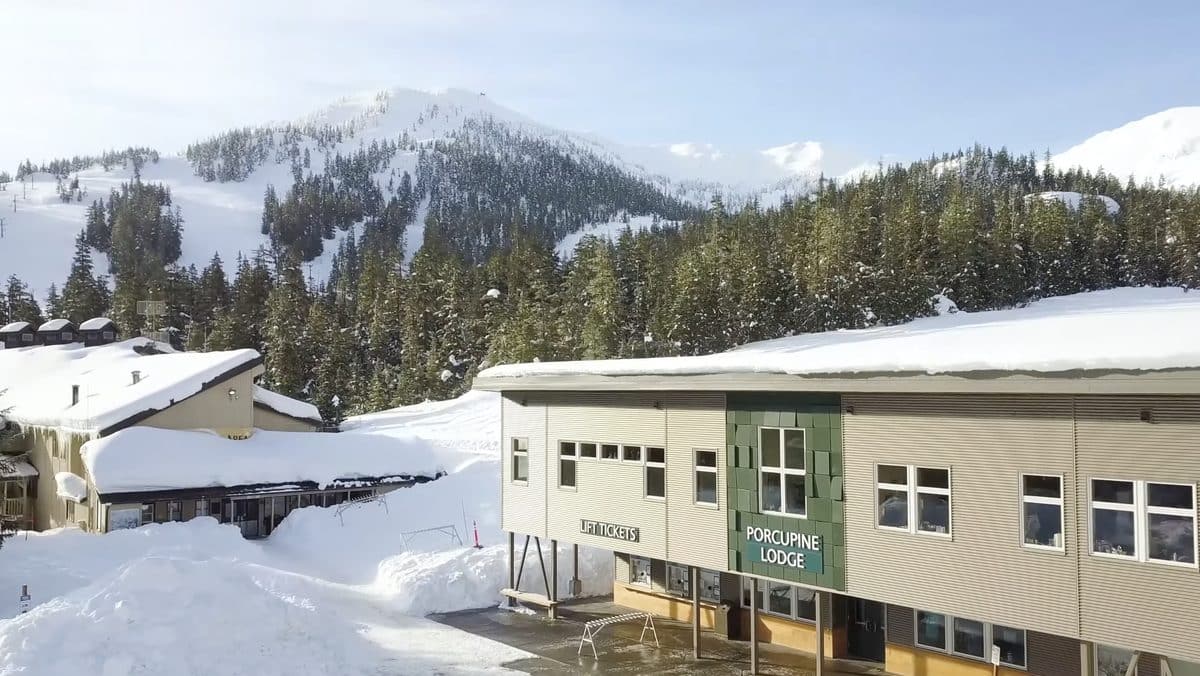
JUNEAU, Alaska — Eaglecrest Ski Area is facing a nearly $2.5 million accumulated deficit, and officials in Alaska’s capital are considering another financial intervention to keep the city-owned mountain on stable footing.
The Juneau Assembly is scheduled to introduce an ordinance Monday, November 16, that would appropriate $2,499,400 from the city’s unrestricted general fund to eliminate Eaglecrest’s accumulated operating deficit. The proposal follows years of financial struggles, aging infrastructure and the cancellation of a multimillion-dollar gondola project that was once expected to help make the ski area financially sustainable.
According to Juneau’s municipal budget documents, Eaglecrest entered fiscal year 2026 with a deficit of approximately $692,000 and lost another $1.8 million during the fiscal year ending June 30. The resulting shortfall has left city officials considering how much financial support they are willing to provide to keep the mountain operating.
A $2.5 Million Financial Rescue
The city had already reserved approximately $2.5 million to cover Eaglecrest’s deficit, but the new proposal would use unrestricted general funds instead, allowing the previously committed reserve money to be released.
The Assembly Finance Committee requested the ordinance earlier this month, following discussions about the city’s financial position and the ski area’s long-term viability. The proposal would eliminate Eaglecrest’s accumulated negative fund balance, although it would not address the underlying operating losses that have created the deficit.
Eaglecrest reported approximately $4.8 million in expenses during fiscal year 2026, compared with roughly $3 million in total revenue, including $930,000 in city support. The ski area’s independently generated revenue was approximately $2.1 million.
Juneau has already increased its financial contribution to Eaglecrest for the current fiscal year, providing approximately $1.68 million in support as the mountain works to maintain operations with reduced staffing and aging facilities.
The proposed $2.5 million appropriation has not yet been approved. The Juneau Assembly’s upcoming meeting is expected to introduce the legislation, with a public hearing anticipated in December.
Failed Gondola Project Complicates Financial Future
Eaglecrest’s financial difficulties have been compounded by the cancellation of a gondola project that was intended to transform the mountain into a year-round tourism destination.
The city purchased a used gondola from Austria in 2022, hoping to attract summer visitors from Juneau’s substantial cruise ship industry. The additional revenue was expected to help offset the ski area’s operating expenses and eventually reduce its dependence on municipal funding.
However, the project encountered repeated delays and major cost increases. What began as a relatively modest investment eventually carried a projected total cost exceeding $37 million, prompting the Juneau Assembly to vote 8-1 in May to abandon the installation.
The decision also required the city to address approximately $12.2 million owed to Goldbelt, an Alaska Native corporation that had helped finance the project in exchange for a share of future revenue.
With the gondola no longer expected to generate additional income, the city is now confronting the ski area’s accumulated deficit without the anticipated source of repayment.
Can Eaglecrest Become Financially Sustainable?
The financial challenges extend beyond the current deficit. A strategic business plan prepared by consulting firm SE Group concluded that Eaglecrest is unlikely to break even within the next five years under realistic operating conditions.
The report found that eliminating the mountain’s operating losses through additional revenue alone would require more than doubling its current independently generated income. Instead, the consultants recommended that Juneau officials establish a realistic level of municipal support and develop an operating strategy around that commitment.
The city’s long-term options have included continued public ownership and subsidies, reduced operations, and the possibility of bringing in a private or third-party operator. Goldbelt has previously been discussed as a potential partner, although no agreement to transfer operations has been announced.
Despite the financial difficulties, Eaglecrest remains an important recreational resource for Juneau residents. The mountain celebrated its 50th anniversary earlier this year and provides lift-served skiing and snowboarding without the scale of development found at Alaska’s larger destination resorts.
The ski area’s new general manager, Julie Jackson Piper, is working to stabilize operations following a difficult 2025-26 season marked by equipment problems, staffing challenges and disruptions to lodge facilities.
For now, the immediate question is whether Juneau will use another $2.5 million in municipal funds to clear Eaglecrest’s accumulated deficit. A larger discussion about the mountain’s future is expected when the Assembly and Eaglecrest’s board meet in the coming months.
Even if the proposed appropriation is approved, the fundamental challenge remains: finding a sustainable financial model for a community ski area that has struggled to cover its operating costs for years.
