

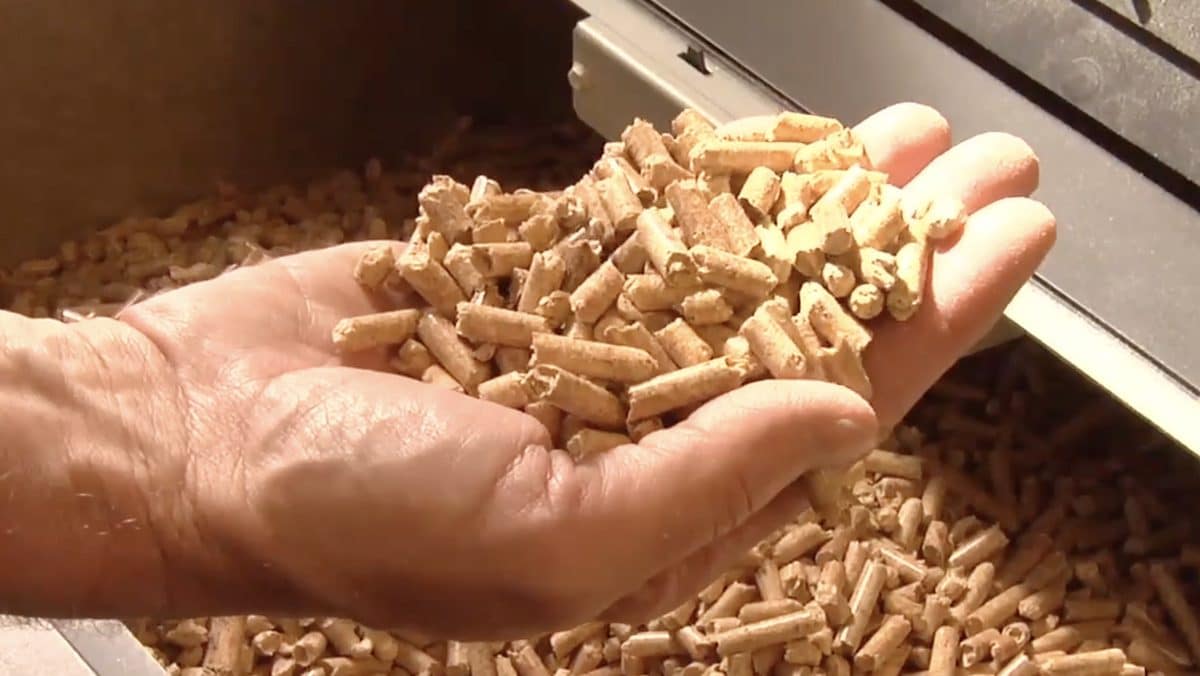
Mt. Bachelor has fired up its new Wood Fuel Energy Facility, marking a major milestone in an ambitious project that will turn leftover wood from forest restoration and wildfire prevention work into heat for the Oregon ski resort.
Located at the West Village base area, the biomass heating facility will use wood chips collected from projects in the surrounding Deschutes National Forest to heat resort buildings and help keep walkways clear of snow. Once fully operational, the system is expected to replace approximately 150,000 gallons of propane annually, reducing the resort’s propane consumption for the connected facilities by more than 90%.
Mt. Bachelor President and General Manager John Merriman confirmed in an October 28 interview with The Storm Skiing Journal and Podcast that the facility had already been fired up and was operational. Deschutes County scheduled an official ribbon-cutting ceremony for Thursday, November 12.
Turning Forest Debris Into Heat
The concept behind the project is relatively straightforward. Rather than allowing wood waste from forest thinning and wildfire mitigation projects to pile up and eventually be burned outdoors, Mt. Bachelor will use the material as fuel for a centralized heating system.
Merriman described the facility as “the world’s biggest Traeger grill.”
The system burns wood chips in a high-efficiency biomass boiler, which heats water that is then circulated through insulated underground pipes to buildings around the resort.
According to Mt. Bachelor’s official project update, the facility is designed to provide heat to Ski Patrol, West Village Lodge, Mountain Gateway, Todd Lake, the Bachelor Butte Administration Building and the West Village snowmelt system.
The resort estimates the project will reduce annual carbon dioxide emissions by nearly 1,000 tons compared with its previous heating arrangements. Those reductions are projected figures, with the actual savings dependent on the system’s performance and fuel consumption.
Merriman said the facility will require a substantial and consistent supply of wood chips, estimating that it will consume at least one tractor-trailer load per week once fully operational. A local contractor is prepared to supply the material.
Years in the Making
The project was originally announced in 2022 as part of an effort to reduce the resort’s dependence on fossil fuels while creating a productive use for woody debris removed from nearby forests.
Construction and commissioning have taken longer than originally anticipated, with the initial project timeline calling for operations to begin in early 2024.
By October 2026, construction was complete, underground heating connections had been installed to several major resort buildings, and crews were completing equipment testing and final connections. The system has since been fired up, although the resort’s latest published project update still identifies December 2026 as its target for full operation.
The project has involved cooperation between Mt. Bachelor, the U.S. Forest Service, Oregon Department of Energy, Deschutes County, Wisewood Energy and several construction and operations partners.
It also comes as Mt. Bachelor continues investing in major infrastructure improvements, including electrical capacity upgrades and chairlift modernization. Unlike the resort’s separate electrical projects, the Wood Fuel Energy Facility is intended to supply heat and hot water, not electricity for chairlifts.
A Different Approach to Ski Resort Sustainability
For Mt. Bachelor, the project connects two significant challenges facing mountain communities: managing the buildup of vegetation that can contribute to dangerous wildfires and reducing dependence on fossil fuels.
Forest restoration crews routinely remove smaller trees, branches and other material to reduce hazardous fuel loads. Some of that material is traditionally disposed of through open pile burning, but the new facility gives it another potential use.
The system does not eliminate emissions from burning wood, but Mt. Bachelor expects its modern combustion and emissions-control equipment, combined with reduced propane consumption, to provide environmental benefits over its previous heating arrangements.
With the facility now fired up and preparing for full winter operations, Mt. Bachelor is putting an unusual approach to resort heating into practice. The mountain is scheduled to open for skiing and snowboarding on December 4, weather permitting, with a new heating system that will put some of Central Oregon’s forest restoration byproducts to work.
