

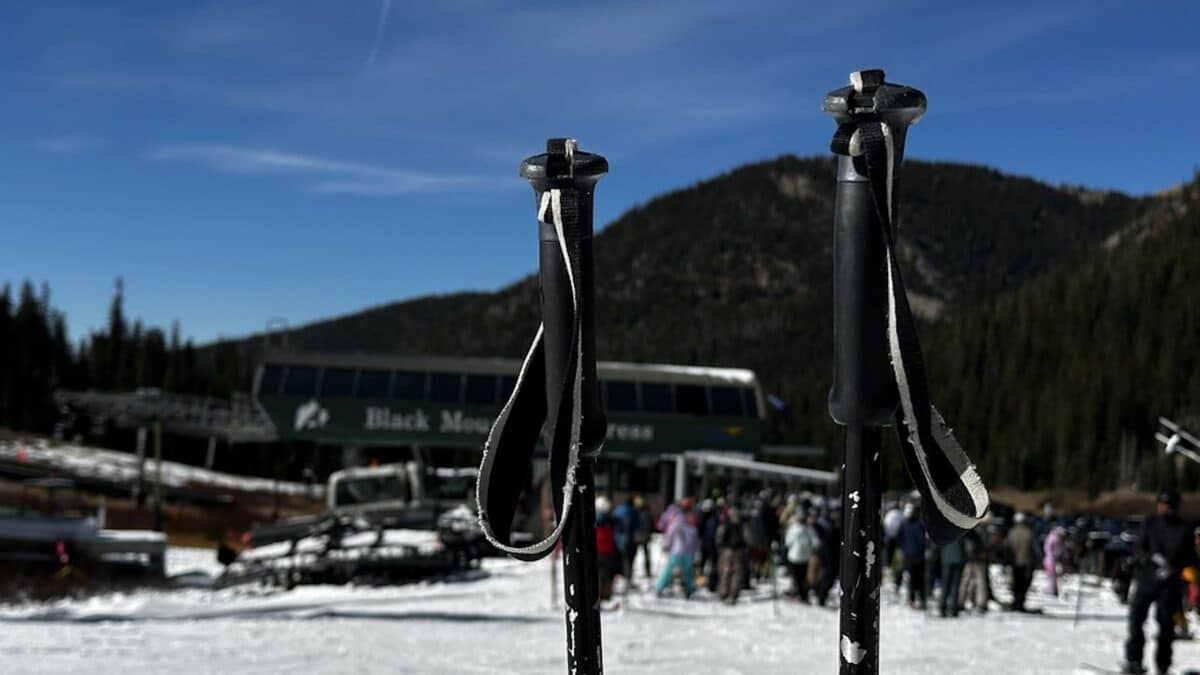
Ski pole straps are one of those pieces of equipment that many skiers use without giving them much thought. They keep your poles attached to your hands after a fall, make it easier to push across flat sections of the mountain, and prevent you from accidentally dropping a pole when stopping to check your phone or adjust your gear.
However those convenient little loops can also create some serious safety risks. Depending on where you’re skiing and how you’re using them, wearing your pole straps could potentially turn a relatively harmless fall into a much more dangerous situation. So should you be wearing ski pole straps, or is it better to leave them dangling?
The Biggest Risk Is Avalanche Terrain
The most important rule is to remove your pole straps whenever you’re traveling through avalanche terrain. While it might seem especially useful to keep your poles attached to your hands in deep powder, doing so can have dangerous consequences if you’re caught in a slide.
According to the Utah Avalanche Center, avalanche debris can pull poles away from your body, potentially dragging your arms along with them. Straps can also make it harder to separate yourself from your equipment as you’re carried downhill. Unlike many modern ski bindings, traditional pole straps don’t have a release mechanism.
Tree Skiing Creates Another Hazard
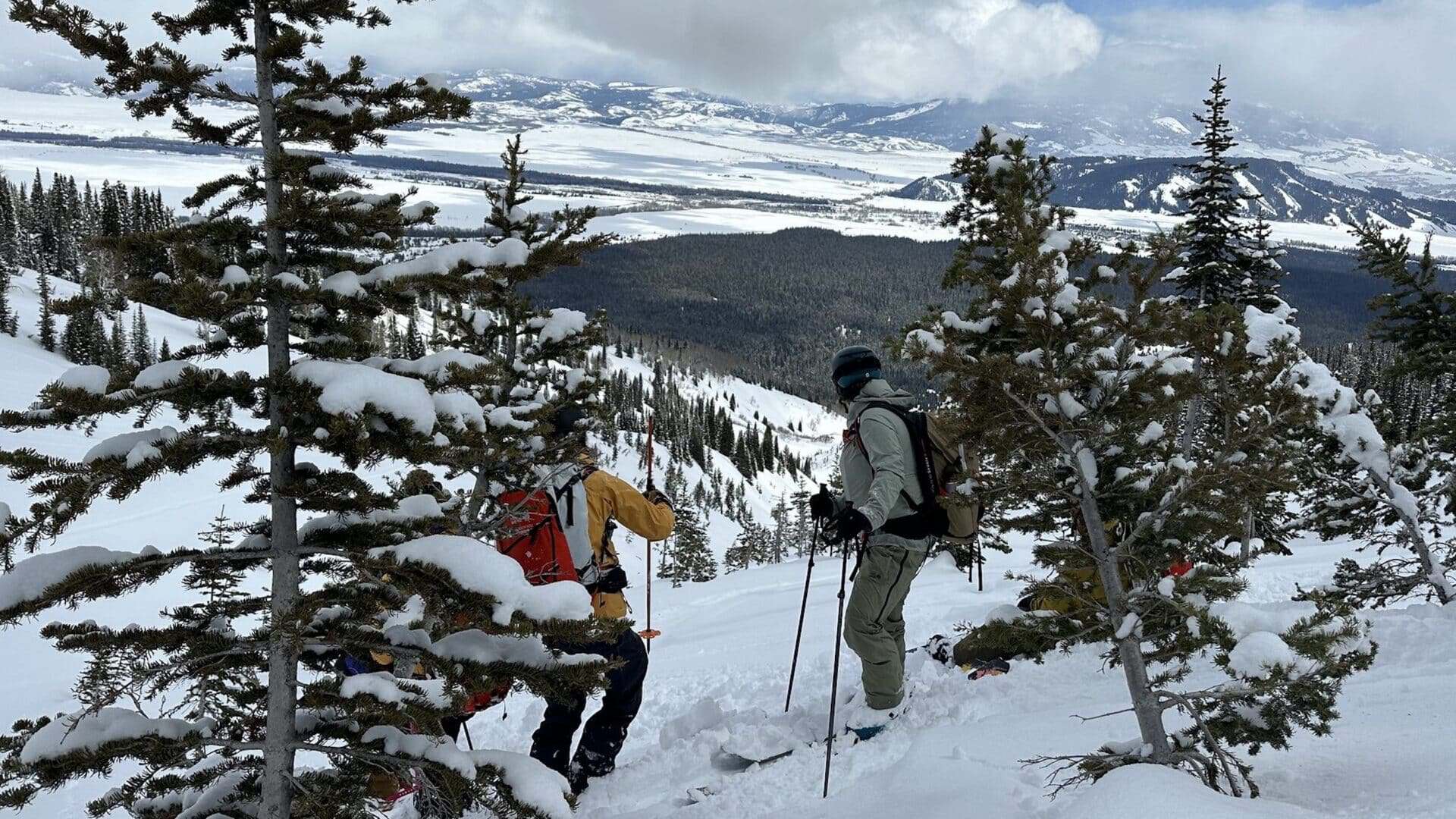
Tree skiing is another potential danger zone. If your pole catches a branch, tree trunk, or other obstacle while you’re moving through tight glades, the strap can transfer that force directly to your arm. In the wrong circumstances, this could result in a serious shoulder or arm injury. This isn’t exclusive to tree skiing, either. Any terrain where your poles could become snagged on an obstacle presents a potential risk.
Can Pole Straps Cause Skier’s Thumb?
There’s also the issue of skier’s thumb, a common skiing injury that can occur when a pole handle or strap puts damaging pressure on the thumb during a fall. However research published through PubMed found that simply removing pole straps does not necessarily prevent this injury. Learning to release your poles during a fall is still the most important aspect.
How you actually put the strap on can change the risk of injury as well. Rather than simply sliding your hand through the loop and gripping the handle, you can bring your hand up through the strap before gripping both the strap and handle. This approach can help reduce the risk of getting your thumb caught against the pole, but it isn’t a guaranteed injury-prevention method.
Are Quick-Release Pole Straps Safer?
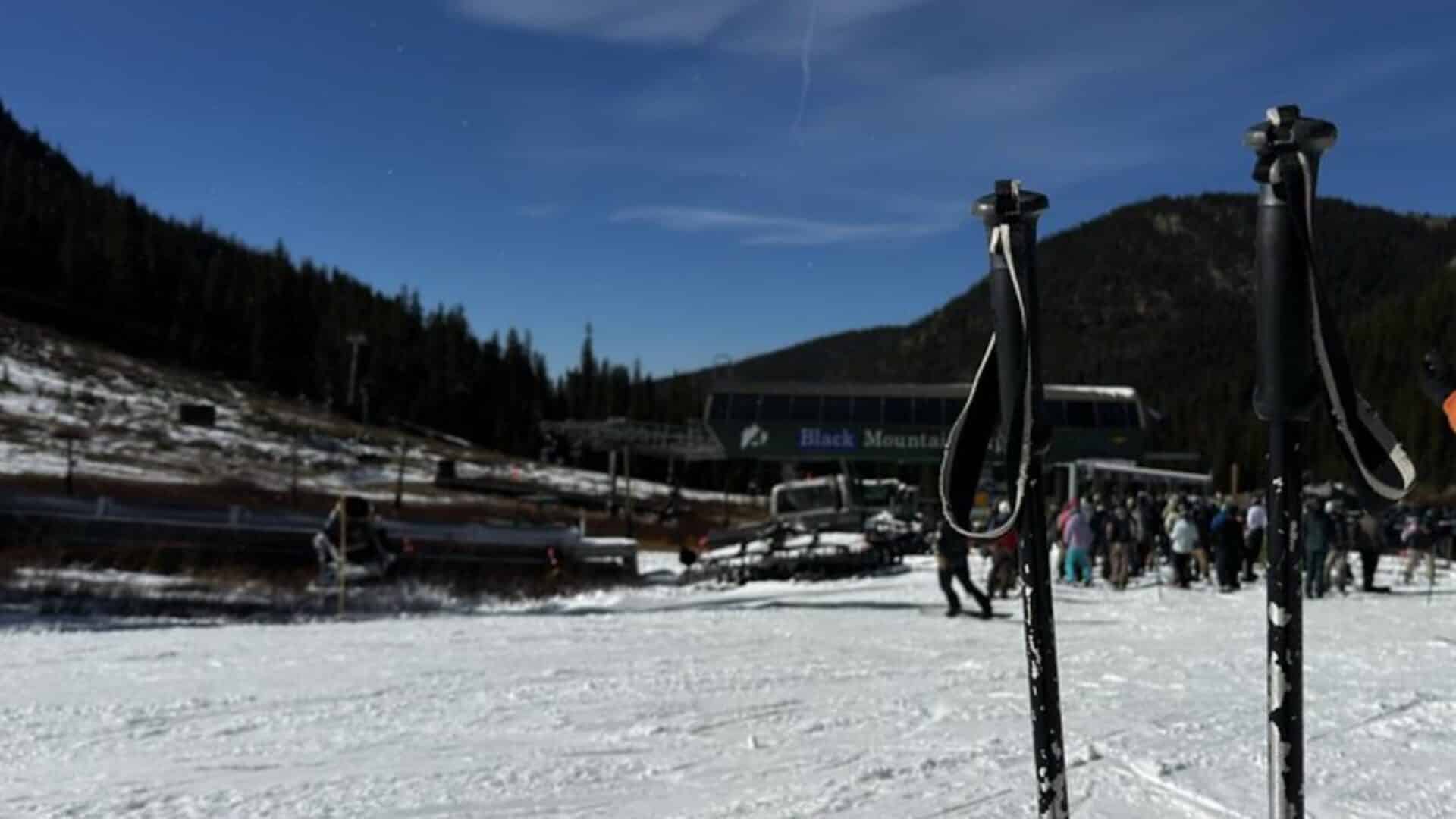
For those who prefer having their poles attached, systems like LEKI’s Trigger offer a quick-release alternative that allows the strap to detach from the pole. These systems provide another option for skiers who enjoy the convenience of pole straps, although they shouldn’t be treated as a substitute for proper backcountry safety practices.
Should You Remove Your Pole Straps?
Pole straps are definitely useful, particularly on groomed runs and in controlled terrain. But when entering avalanche terrain or skiing somewhere your poles could get caught, leaving the straps off is the safer choice.
If you’re heading into the backcountry, take the straps off. It’s a small equipment adjustment that could make a major difference in an emergency.