

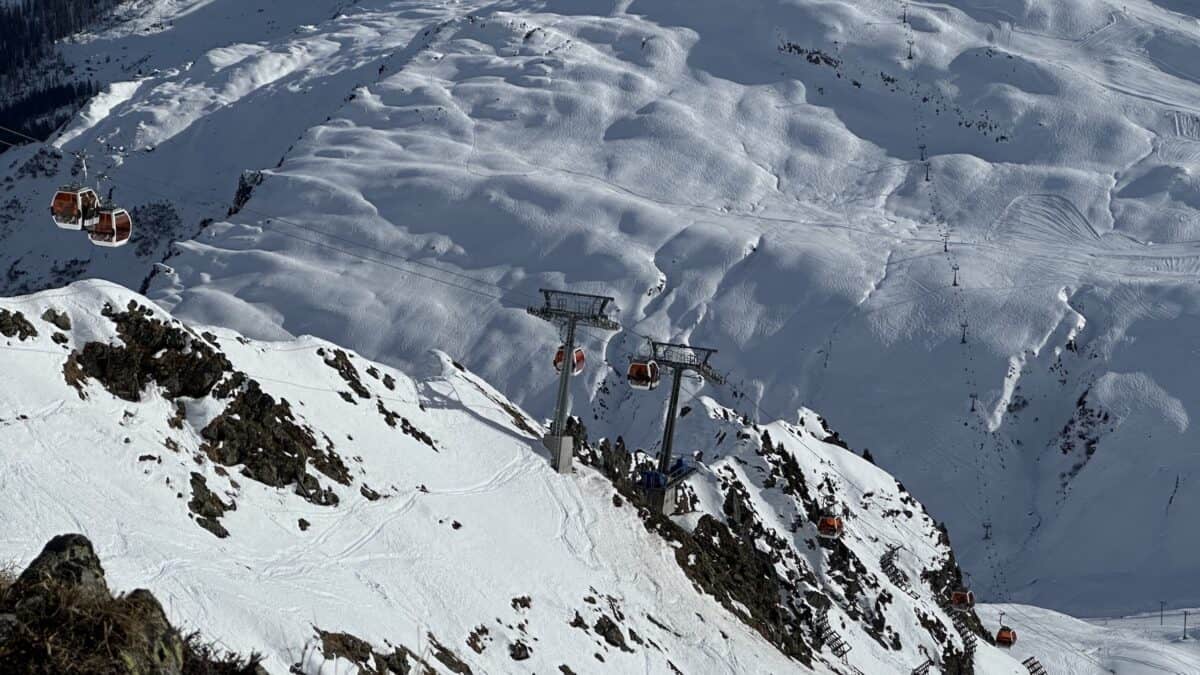
The International Ski and Snowboard Federation (FIS) and World Meteorological Organization (WMO) have released a new report examining the growing weather and climate challenges facing ski resorts and winter sports around the world. Increasingly unpredictable snow conditions have created operational difficulties at many ski areas, with 25 Ski World Cup races canceled due to weather during the 2025–26 season alone.
Titled Weather and Climate Services for Ski Resorts, the report provides guidance on how ski areas, mountain destinations, and event organizers can use weather forecasts and climate research to prepare for changing conditions.
Ski Resorts Face Growing Snow Challenges
The report highlights several concerning trends for the winter sports industry. According to the Intergovernmental Panel on Climate Change, snow cover duration has declined across nearly all regions, particularly at lower elevations, by an average of five days per decade.
Research published in Nature Climate Change also found that 53% of 2,234 ski resorts across 28 European countries could face very high risks to their snow supply if global temperatures rise to 2 degrees Celsius above pre-industrial levels. That projection assumes resorts do not use artificial snowmaking.
Snowmaking, which has become increasingly important for maintaining reliable ski seasons, also faces growing challenges. Warmer temperatures reduce the number of suitable snowmaking windows, while limited water availability and rising energy costs can make producing artificial snow more difficult and expensive.
The report also points to the effects of recent heat and drought conditions. Western Europe and the contiguous United States experienced their warmest summer on record in 2026, contributing to significant impacts on snowpack and glaciers.
Weather Forecasting Could Help Resorts Adapt
Rather than focusing exclusively on the problems facing ski resorts, the WMO and FIS report emphasizes how better weather and climate information can help the industry adapt.
The organizations outline three primary planning areas. Short-term forecasts and weather warnings can help resorts make daily decisions about lift operations, grooming, snowmaking, and visitor safety. Seasonal outlooks can help operators plan opening dates, staffing, budgets, and snowmaking strategies. Long-term climate projections can guide major infrastructure investments and decisions about diversifying mountain destinations.
The report is part of an ongoing partnership between FIS and WMO that began in October 2024. Alongside the full report, the organizations have also released a practical guide explaining what weather and climate information ski resort operators should use and where they can access it.