

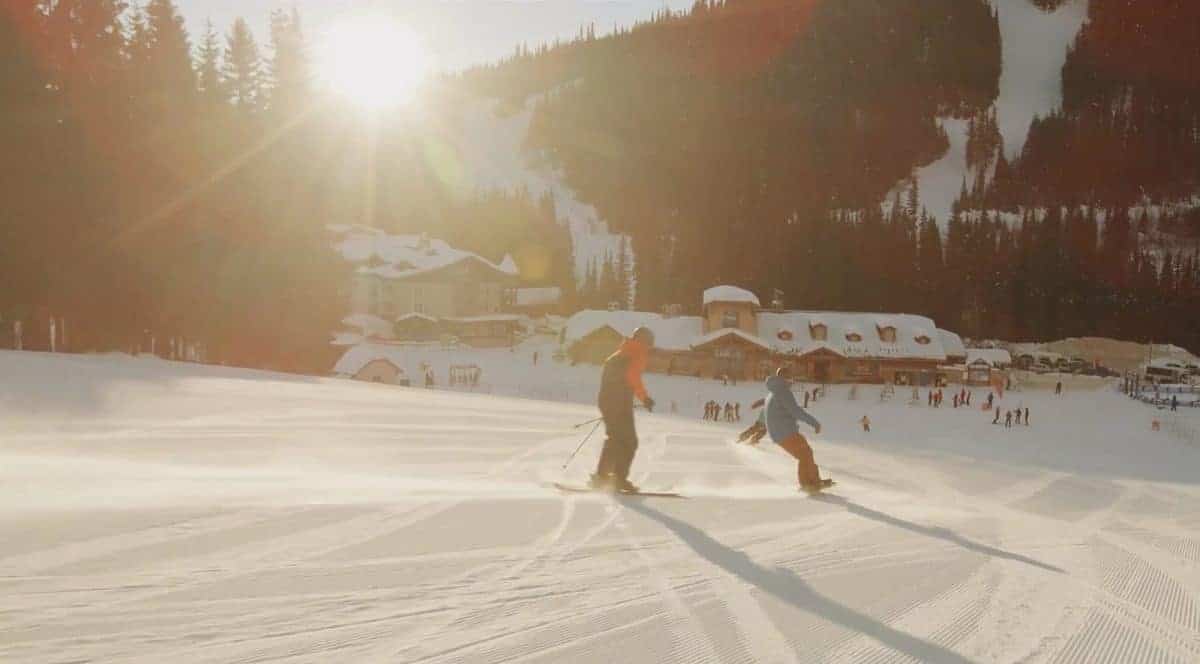
British Columbia won’t turn its clocks back this November, and ski resorts are already adjusting what a day on the mountain will look like because of it.
The province ended seasonal clock changes in March, meaning most of British Columbia will remain on the equivalent of daylight saving time year-round. When much of the rest of the Pacific time zone falls back Nov. 1, B.C. will stay where it is.
“Improved overall health, reduced disruptions for families, simplified scheduling and an extra hour of evening light during the winter months are clear benefits of a year-round time zone. In March, Premier Eby announced B.C.’s last ‘spring forward’ time change to Pacific Time and the three-letter abbreviation PCT aligns with how other provinces abbreviate their time zones.” -Diana Gibson, Minister of Citizens’ Services
For skiers, that means winter mornings will be darker by the clock and sunsets will come later. Several major resorts are responding by pushing lift hours later.
Whistler Blackcomb Is Moving First Chair Back 30 Minutes
Whistler Blackcomb has been particularly direct about the change.
“As we look ahead to the 2026/27 winter season, there’s one change happening beyond our control that will affect how we operate on the mountain: British Columbia’s move to permanent Daylight Saving Time.” -Whistler Blackcomb
From opening day through Jan. 15, most valley and alpine lifts are scheduled to operate from 9 a.m. to 3:30 p.m., with the morning start 30 minutes later than the resort’s traditional early-season schedule.
From Jan. 16 through Feb. 12, the scheduled hours shift to 9 a.m. to 4 p.m. Whistler Blackcomb plans to return to an 8:30 a.m. opening beginning Feb. 13 as daylight increases.
Most Snow School lessons will also start and finish 30 minutes later during the early portion of the winter.
The resort says the changes are intended to better align mountain operations with available daylight while maintaining a full ski day.
Sun Peaks Is Making Similar Changes
Sun Peaks Resort is also changing its schedule because of British Columbia’s new permanent time.
“To kick things off, an important change this season is to our lift operating hours, now that British Columbia is staying on permanent Pacific Daylight Time. This means our morning lift start times and afternoon closing times shift later.” -Sun Peaks Resort
Canada’s second-largest ski area says both morning openings and afternoon closings will shift later this winter.
The exact schedule varies by lift. The Sunburst Express, Crystal, Elevation and Burfield chairs are scheduled to open at 9:30 a.m. early in the season before moving to 9 a.m. starting Feb. 1.
The Sundance Express will run from 9 a.m. to 4:15 p.m. before shifting to an 8:30 a.m. opening in February, while West Bowl is scheduled for 10 a.m. to 3:45 p.m. early in the winter.
Sun Peaks has also moved its local ski and snowboard lesson times 30 minutes later to account for the darker mornings.
Whitewater Is Moving Its Ski Day Later Too
Whitewater Ski Resort near Nelson has already announced a similar adjustment.
As Unofficial Networks previously reported, most Whitewater lifts will begin spinning at 9:30 a.m. this winter, with the Glory Chair scheduled for 9:45 a.m. when conditions allow.
Closing times are also expected to move approximately 30 minutes later.
Taken together, the changes at Whistler Blackcomb, Sun Peaks and Whitewater show how something as simple as eliminating a clock change can alter the daily rhythm of a ski resort.
Why Ski Resorts Can’t Just Ignore the Clock
Ski areas need daylight well before the public gets on the lifts.
Patrollers, groomers and lift crews are already working before opening, and avalanche mitigation can begin hours before guests arrive. Permanently shifting winter sunrise later means some of that work will now happen in deeper darkness.
That issue has also surfaced in the United States, where ski industry groups have raised concerns about permanent daylight saving time. Resorts have argued that simply moving public operating hours later doesn’t necessarily solve every problem because so much mountain preparation has to happen before opening.
British Columbia is now providing a real-world look at how ski areas adapt.
November 1 Is When Skiers Will Really Notice
British Columbia technically made its final seasonal clock change in March, but the difference becomes much more obvious Nov. 1.
That is when clocks in neighboring Washington state and much of the western United States will move back one hour while most of British Columbia remains unchanged.
The province has adopted the abbreviation Pacific Time, or PCT, for its new year-round standard.
For skiers, the practical effect is simple: expect later first chairs at some B.C. resorts this winter, but also a little more daylight at the end of the ski day.
The clocks aren’t changing anymore. The ski schedules are.
