


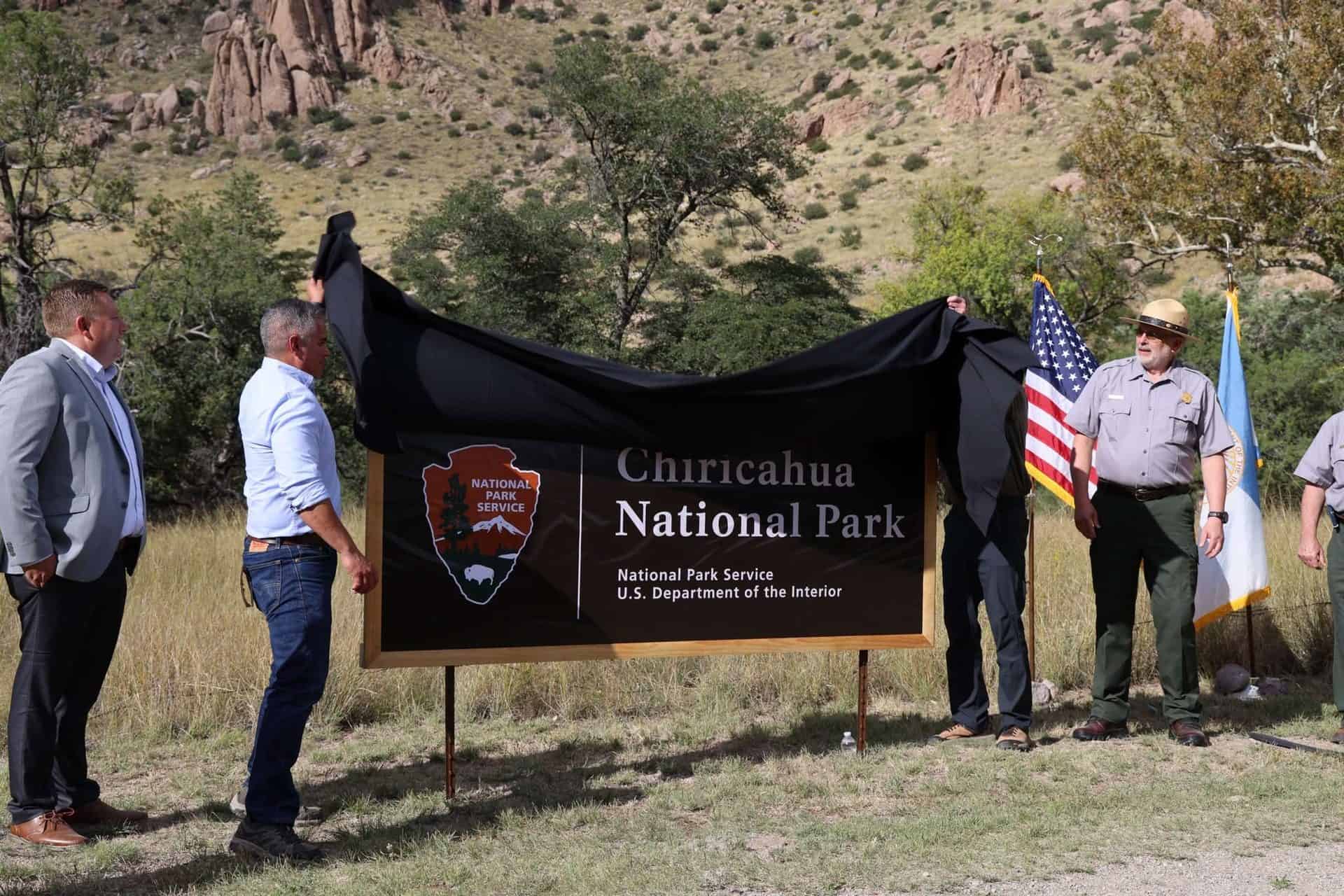
The United States officially has a 64th national park! The Chiricahua National Park Act was signed into law on Tuesday, October 20, redesignating Chiricahua National Monument in southeastern Arizona as Chiricahua National Park.
The National Park Service announced the designation, making Chiricahua the country’s first new national park since New River Gorge in West Virginia received the designation in 2020. It also becomes Arizona’s fourth national park, joining Grand Canyon, Saguaro and Petrified Forest.
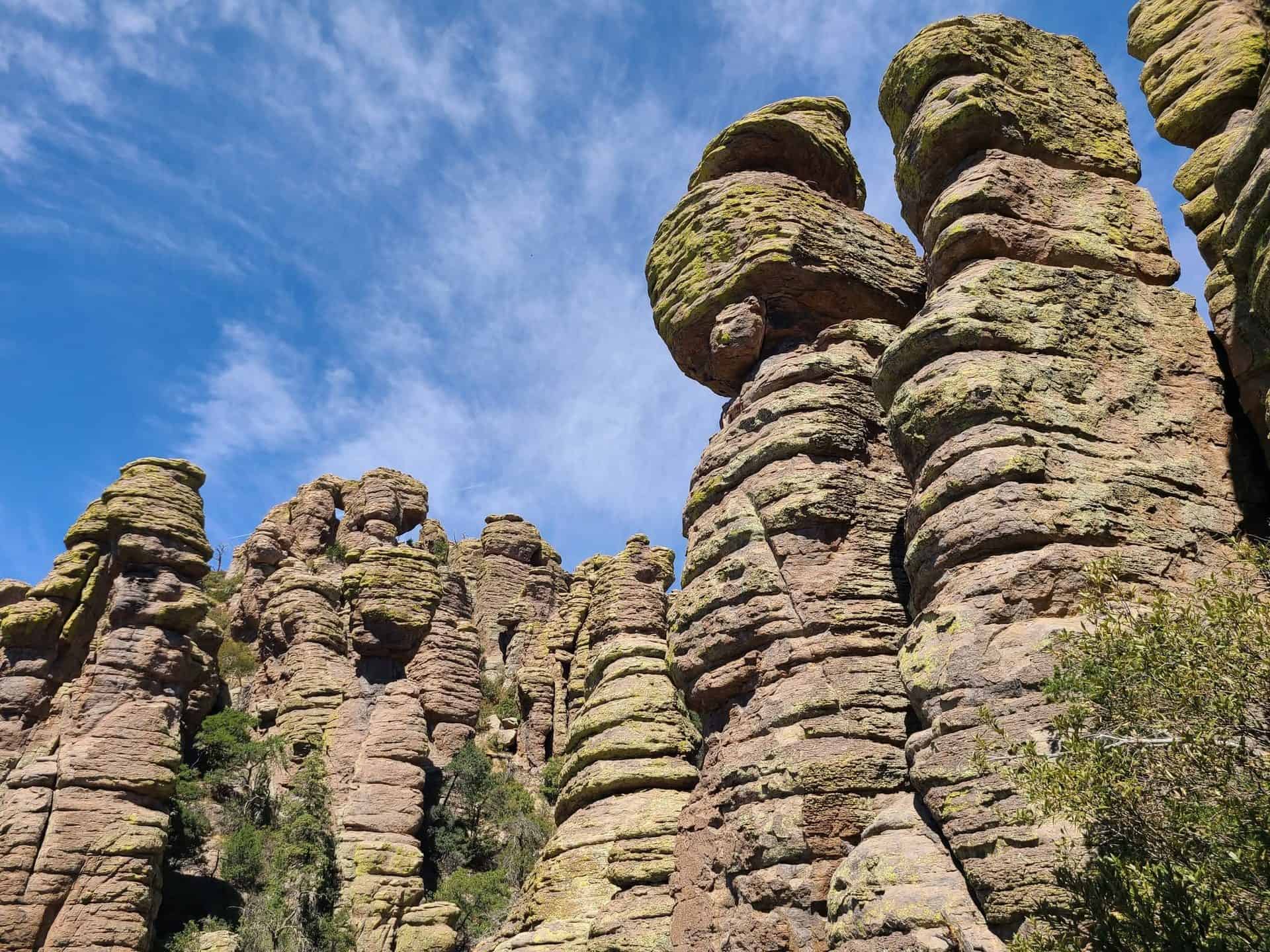
Located about 37 miles southeast of Willcox, the approximately 12,000-acre park is best known for its towering volcanic rock formations, balanced boulders and dramatic mountain scenery. The landscape has long been called the “Wonderland of Rocks” a fitting description for a place filled with enormous stone columns and pinnacles that appear almost impossibly balanced.
A Landscape 27 Million Years in the Making
Chiricahua’s unusual rock formations are the product of a massive volcanic eruption approximately 27 million years ago. According to the National Park Service’s geological history, the eruption deposited enormous quantities of ash and volcanic debris that eventually hardened into a rock called rhyolite tuff.
Over millions of years, erosion carved the hardened volcanic deposits into the remarkable pillars, spires and balancing rocks that define the landscape today. Some formations rise hundreds of feet above the surrounding terrain.
The park sits within the Chiricahua Mountains, part of southeastern Arizona’s famous “sky islands.” These isolated mountain ranges rise dramatically above the surrounding desert grasslands, creating environments where desert vegetation, oak woodlands and pine forests can exist relatively close together.
This combination of ecosystems supports extraordinary biodiversity. Black bears, white-tailed deer, numerous bird species and a wide variety of reptiles inhabit the region. Chiricahua is also considered one of the premier birdwatching destinations in the American Southwest.
More Than a Century of Protection
Chiricahua was originally established as a national monument by President Calvin Coolidge in 1924, meaning the landscape had already been federally protected for more than 100 years before receiving its new designation.
The region also has deep cultural significance as part of the ancestral homeland of the Chiricahua Apache, who knew the area for its remarkable standing rock formations.
The legislation elevating Chiricahua to national park status received bipartisan support in Congress after years of advocacy from Arizona lawmakers and local communities.
“Chiricahua’s towering rock spires, rich Apache heritage and remarkable biodiversity make it one of America’s most extraordinary landscapes.” -Interior Secretary Doug Burgum
The new designation does not expand the park’s boundaries or automatically introduce major new visitor facilities. Instead, supporters hope the national park name will attract additional attention to a destination that has historically received far fewer visitors than Arizona’s more famous national parks.
Conservation advocates have also emphasized the need for sufficient staffing and funding to protect the landscape as interest in visiting grows.
What Visitors Can Expect at America’s Newest National Park
Despite its relatively modest size, Chiricahua offers a surprising amount of outdoor recreation.
The park features approximately 17 miles of hiking trails, ranging from short walks to more demanding routes through its spectacular rock formations. Visitors can also travel the eight-mile Bonita Canyon Scenic Drive, which climbs through forested canyons to Massai Point, an overlook offering expansive views of the surrounding mountains and valleys.
For those interested in spending the night, Bonita Canyon Campground provides a small, developed camping area. Reservations are required.
Chiricahua was also designated an International Dark Sky Park in 2021, making it an appealing destination for stargazing and night sky photography.
Another unusual feature is the park’s elevation. While the surrounding southern Arizona desert can experience intense heat, the mountainous landscape produces noticeably cooler temperatures. Snow can even fall at higher elevations during the colder months.
With its new designation, Chiricahua joins the list of America’s most celebrated protected landscapes. For travelers looking to explore somewhere beyond the country’s most crowded national parks, Arizona’s newest addition offers a compelling combination of geology, wildlife, mountain scenery and history.
