

A Massachusetts ski area could soon use an enormous battery system to help handle one of the biggest challenges associated with modern snowmaking: the massive amount of electricity needed during short windows of favorable weather.
Berkshire East Mountain Resort in Charlemont has been awarded a $4.51 million state grant supporting development of a 4-megawatt, 80-megawatt-hour long-duration battery energy storage system. According to the Massachusetts Executive Office of Energy and Environmental Affairs, the proposed system would be capable of supplying its full 4-megawatt output for 20 hours.
“We’re grateful to the Commonwealth for this $4.5 million investment and for recognizing what Berkshire East means to Western Mass — not just as a ski area, but as a year-round employer and economic anchor for the region. As we work through the planning process, the potential is exciting: long-duration energy storage that could help manage peak energy costs, strengthen local resilience with backup power during outages and severe weather, and create opportunities for local businesses along the way. We’re proud that a rural community is part of the conversation about what the clean energy transition can look like.” –Andy Cornish, General Manager, Berkshire East Mountain Resort
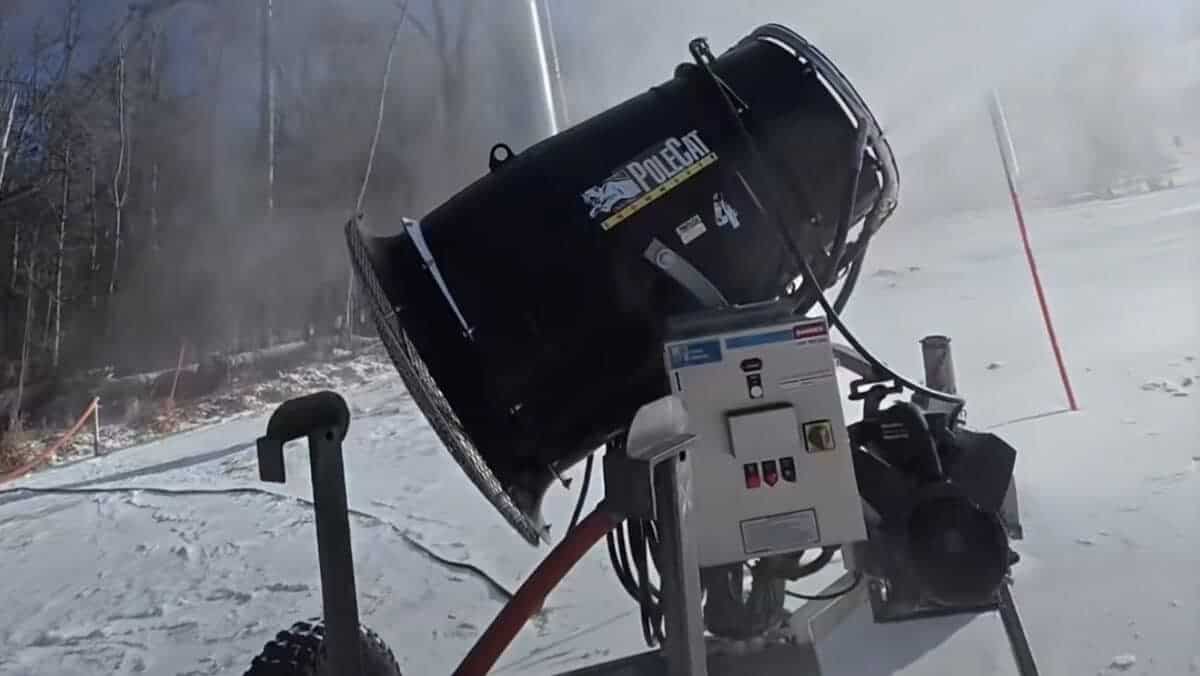
The project is being designed around Berkshire East’s highly variable electricity demand. Snowmaking can push the resort’s power demand to approximately 4 megawatts, but those peaks occur during relatively short periods when temperatures and humidity are favorable for making snow.
Instead of drawing all of that electricity directly from the grid during those critical windows, a long-duration battery can charge during periods of lower demand and then discharge when the mountain’s snowmaking system is running at full strength.
An 80 MWh Battery At A Ski Area
Inlyte Energy and CutPeak Energy announced the project on Oct. 1. Inlyte plans to supply an iron-sodium battery system, while CutPeak specializes in pairing battery storage with the unusual electrical demands of ski resorts. The companies are targeting commercial operation at Berkshire East in 2028.
The project is not yet a done deal. It remains subject to final commercial agreements, financing and customary development approvals. The $4,513,200 award comes through Massachusetts’ Advancing Massachusetts Power Energy Storage Grant Program, which is distributing more than $40 million to projects aimed at energy storage, resilience and grid reliability.
For Berkshire East, reducing peak electricity demand could have a significant financial impact. Inlyte and CutPeak say demand charges associated with those peaks are the resort’s second-largest operating cost behind labor. The battery could also provide backup power during grid outages and severe weather.
Berkshire East General Manager Andy Cornish said the resort is still working through the planning process but sees several potential benefits including lower peak energy costs, improved resilience through backup power during outages and severe weather, and new opportunities for local businesses.
Berkshire East Has Been Experimenting With Energy For Years
The battery would add to a long history of unusual energy projects at Berkshire East. The resort already generates electricity through an on-site solar array and wind turbine and says it became the first ski area in the world to produce 100% of its electricity from on-site renewable sources. Berkshire East has also upgraded snowmaking pumps, installed variable-frequency-drive motors and previously explored pumped-storage technology as another way of storing energy.
The resort’s ownership situation also changed earlier this year. Berkshire East and Catamount Mountain Resort joined Bear Den Partners in March, putting the two Schaefer family-operated mountains alongside Burke Mountain and Smugglers’ Notch in the growing independent resort group.
Battery storage could be particularly useful for ski areas because their electricity needs look very different from those of most businesses. A resort may spend long periods drawing relatively modest amounts of power, then suddenly need to run pumps, compressors and snow guns at high capacity when a cold weather window arrives.
At Berkshire East, the proposed 80 MWh battery is intended to store energy during those quieter periods and deliver it when the mountain needs it most. If the project reaches its targeted 2028 opening, one of the largest pieces of Berkshire East’s future snowmaking infrastructure may not be a snow gun or a pump at all, but a massive battery sitting behind the electrical meter.
