

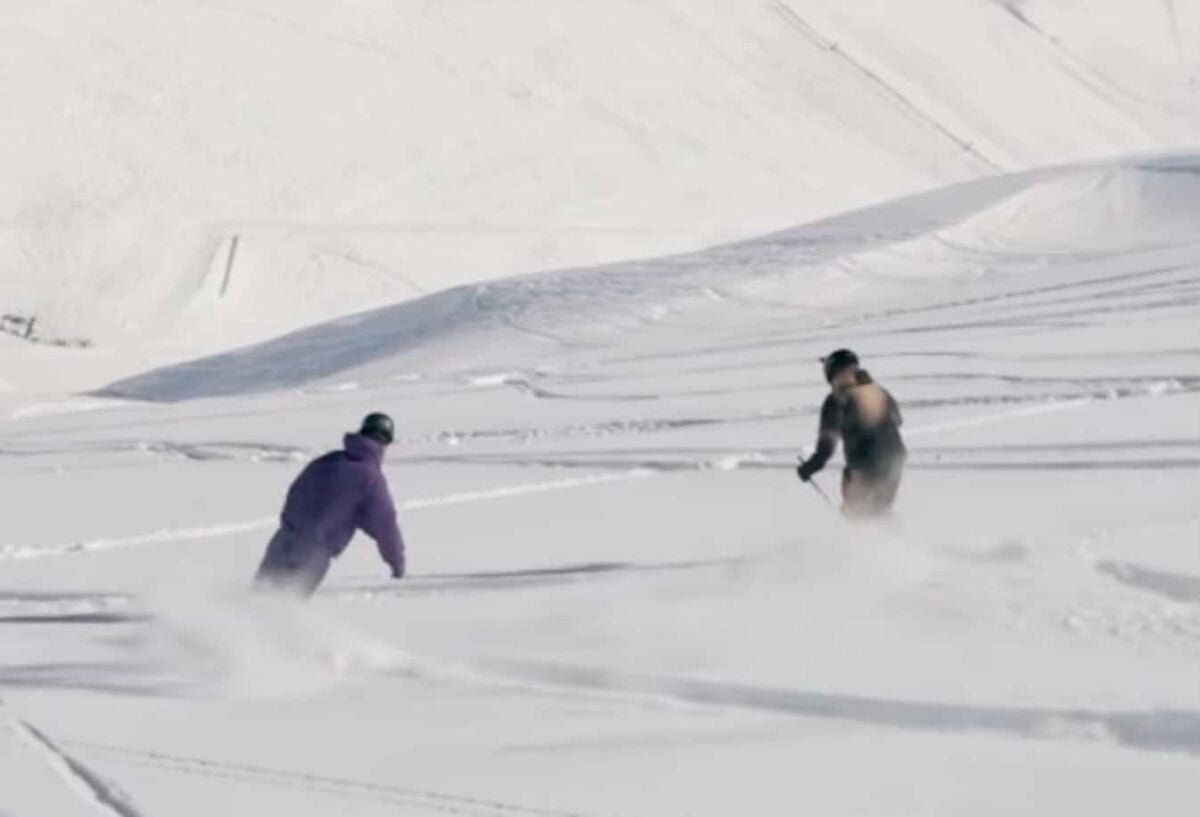
A powder day at Valle Nevado is unlike a powder day at most North American ski resorts. Sitting high in the Chilean Andes, the resort offers expansive terrain, huge views, and very few trees to provide visual reference when the weather turns. That combination can make a storm day spectacular, but it can also make preparation especially important. For visitors traveling from North America, the key to skiing Valle Nevado after a major storm is having a plan before leaving the hotel.

Check the Mountain and Road Conditions the Night Before
The first step is checking Valle Nevado’s Mountain Report before going to sleep and again before leaving in the morning. The resort publishes updates covering snowfall, visibility, wind, open lifts, open terrain, and road conditions. The road to the mountain often requires snow tires and chains, while uphill and downhill traffic operate during specific designated hours. Like many mountain roads, temporary closures for snow and ice removal are possible.
Know the Different Ratings and Symbols
Valle Nevado’s trail ratings and map symbols are not entirely the same as those used at most North American ski resorts. Green circles identify beginner trails and blue squares mark intermediate terrain, like they do in the United States. From there, the system changes.
At Valle Nevado, red triangles identify advanced trails, while black diamonds mark expert terrain and double-black diamonds are freeride terrain.
The lines on the map provide another layer of information. A solid line means a trail is groomed regularly, while black dotted lines indicate ungroomed pistes. A solid line does not necessarily mean the trail was groomed that morning. Green and blue trails are groomed daily, while some red and black trails are normally groomed every other day. After a storm, Valle Nevado generally leaves all red and black trails ungroomed. That creates plenty of opportunities to ski powder on named, in-bounds trails.
Start With Terrain You Know
Valle Nevado has a wide range of terrain from beginner slopes to advanced, expert, and freeride areas. On a big powder morning, intermediate skiers should resist the temptation to fly right into the steepest snow they can find. Start with familiar terrain and use the first runs to determine how the new snow is skiing.
Advanced and expert skiers have substantially more options in terms of terrain, but the same principle applies. Storm conditions can quickly change the character of the mountain and the snow conditions, particularly at higher elevations where the wind can move around the fresh snow.
Upper-mountain sections like Valle del Inca and Tres Puntas have some of the resort’s steepest terrain but might also open later than the lower mountain because of wind, visibility or safety work. Do not spend the morning waiting, start on available terrain and continue monitoring the mountain report.
Don’t Skip the Surface Lifts
Be ready to ride a lot of surface lifts. Valle Nevado surface lifts access some of the resort’s highest terrain and help skiers move efficiently across the mountain. Valle does a great job grooming the uphill tracks, however surface lifts can be discouraging to some visitors. As a result these lifts often hold snow after other areas are skied out.
Chase Snow Based on Elevation and Wind
One of Valle Nevado’s biggest advantages is its elevation. With a base around 9,924 feet and a peak altitude of around 12,041 feet, pretty much all of the resort is above treeline. The resort’s high-altitude terrain can hold exceptionally light snow throughout the winter. Of course that doesn’t mean the highest available terrain will always have the best snow.
Wind can strip exposed ridges and load sheltered areas, while changes in the sun exposure and elevation can create dramatically different conditions across the mountain. Instead of just following the crowd blindly, look for protected terrain where the wind has deposited the snow and pay attention to how the snow changes during each run. Be ready to adjust your plans throughout the day, too.
Be Ready for a Whiteout
Valle Nevado’s lack of trees can have a big impact during a storm. When visibility drops, there are fewer natural reference points to help navigate. In these cases, slow down, stay with your group, and avoid skiing unfamiliar terrain just because it appears to contain untouched powder.
Valle Nevado specifically advises that skiers stay together, respect their ability level, and always follow the instructions of ski patrol and resort staff. Off-piste terrain is not groomed, marked, controlled, or protected from hazards like avalanches, cliffs, and crevasses. Appropriate avalanche equipment and training are essential when traveling beyond controlled areas.
Know Where to Warm Up
A powder day does not have to mean sacrificing lunch. Bajo Zero, located on the mountain at the top of the gondola, serves sandwiches, pizzas, drinks and other quick meals. It’s a great mid-mountain warming station with outdoor terraces and views of the Andes on clear days.
Valle Nevado also has multiple dining options including slope-side facilities and restaurants in its hotels. El Montañés offers grilled specialties, pizzas and tapas, while Valle Lounge provides a place for drinks and food with views of the Andes.
Treat lunch as part of the storm day plan. A quick break provides an opportunity to warm up, check conditions, and decide where you want to spend the afternoon.
Staying on the Mountain Has an Advantage
The best powder day at Valle Nevado starts before the first chair. After a major storm the road from Santiago may have restrictions, chain laws, snow removal or temporary road closures.
Those staying at Valle Nevado are already in position when the lifts spin. The resort’s hotels have breakfast and dinner included in their accommodation packages. The new Aconcagua Ski Residences feature fully equipped kitchens, concierge service, and breakfast included.
Check the road, check the mountain report, understand the wind and visibility, and ski according to the conditions rather than expectations. The Andes can deliver extraordinary powder, but the mountain rewards preparation.
