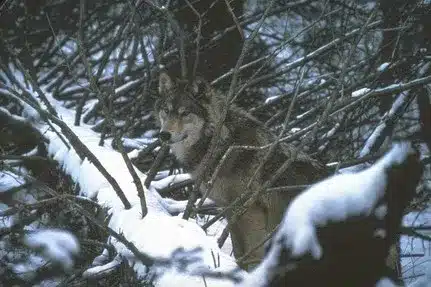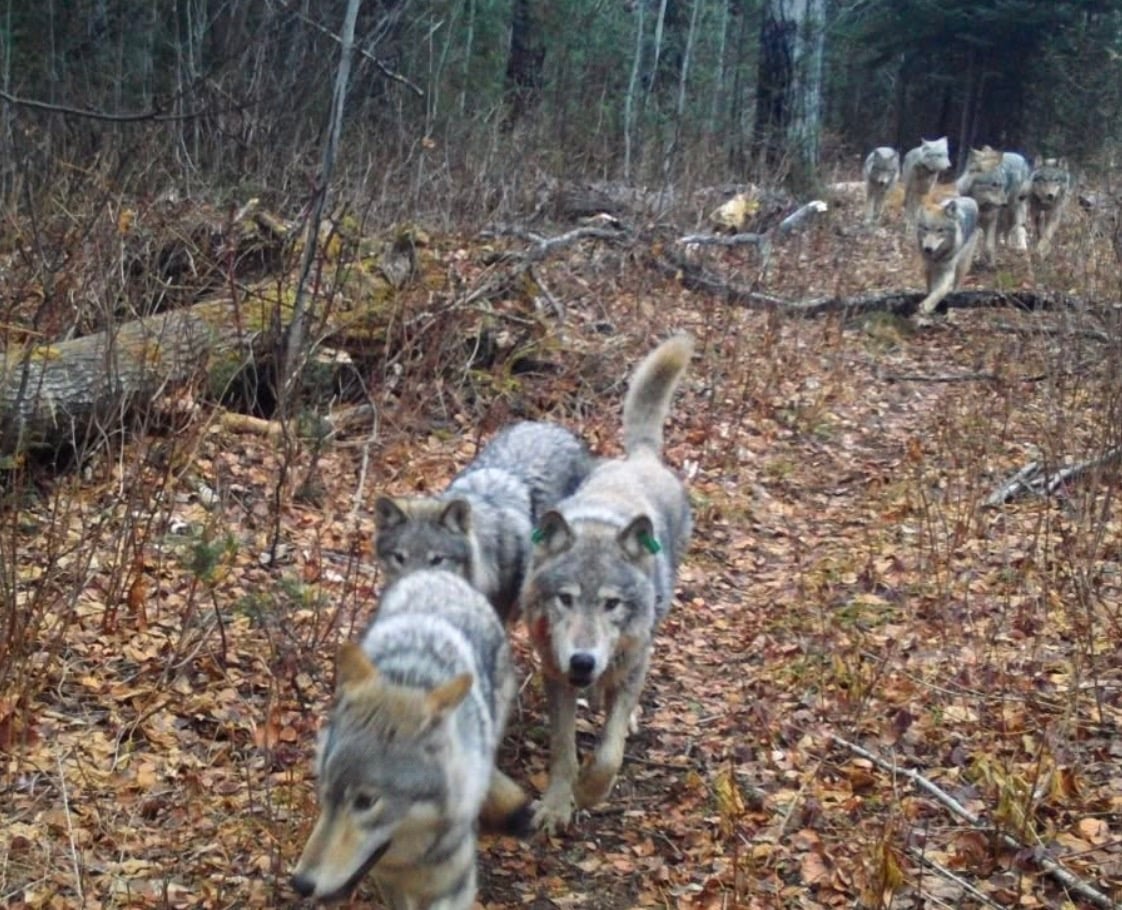
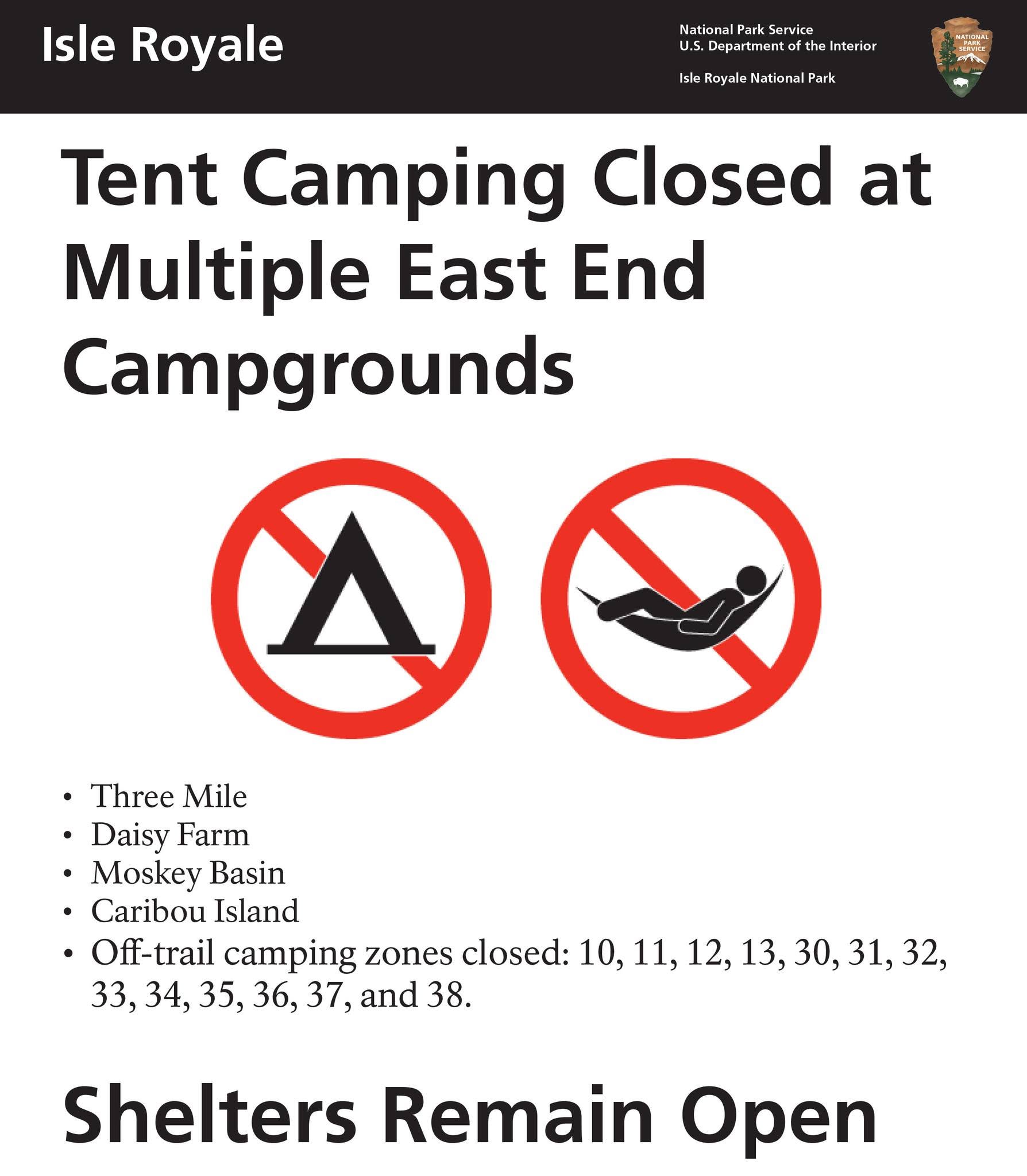
HOUGHTON, Mich. – Isle Royale National Park is closing some tent and group campsites due to continued wolf activity until the park officially closes on October 31, 2026. Tent and group campsites and hammock use will be prohibited at Three Mile, Daisy Farm, Moskey Basin and Caribou Island. Tent and hammock camping are not permitted anywhere within these campgrounds and off-trail camping zones surrounding these campgrounds will also be closed until the end of the season.
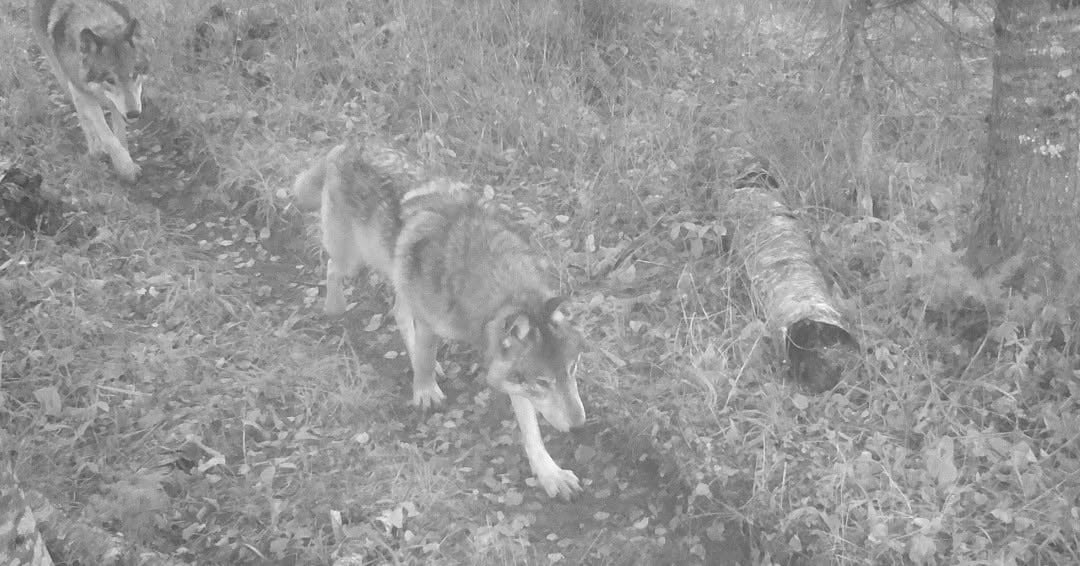
“The park continues to receive reports of wolves being interested in tents at these campgrounds, pawing and digging at tents and entering tents to drag packs and sleeping pads away.” -Isle Royale National Park
The closure includes only the 13 tent sites, 8 group campsites, and tent and hammock use at four campgrounds. There are 32 shelters open for camping at the four campgrounds.
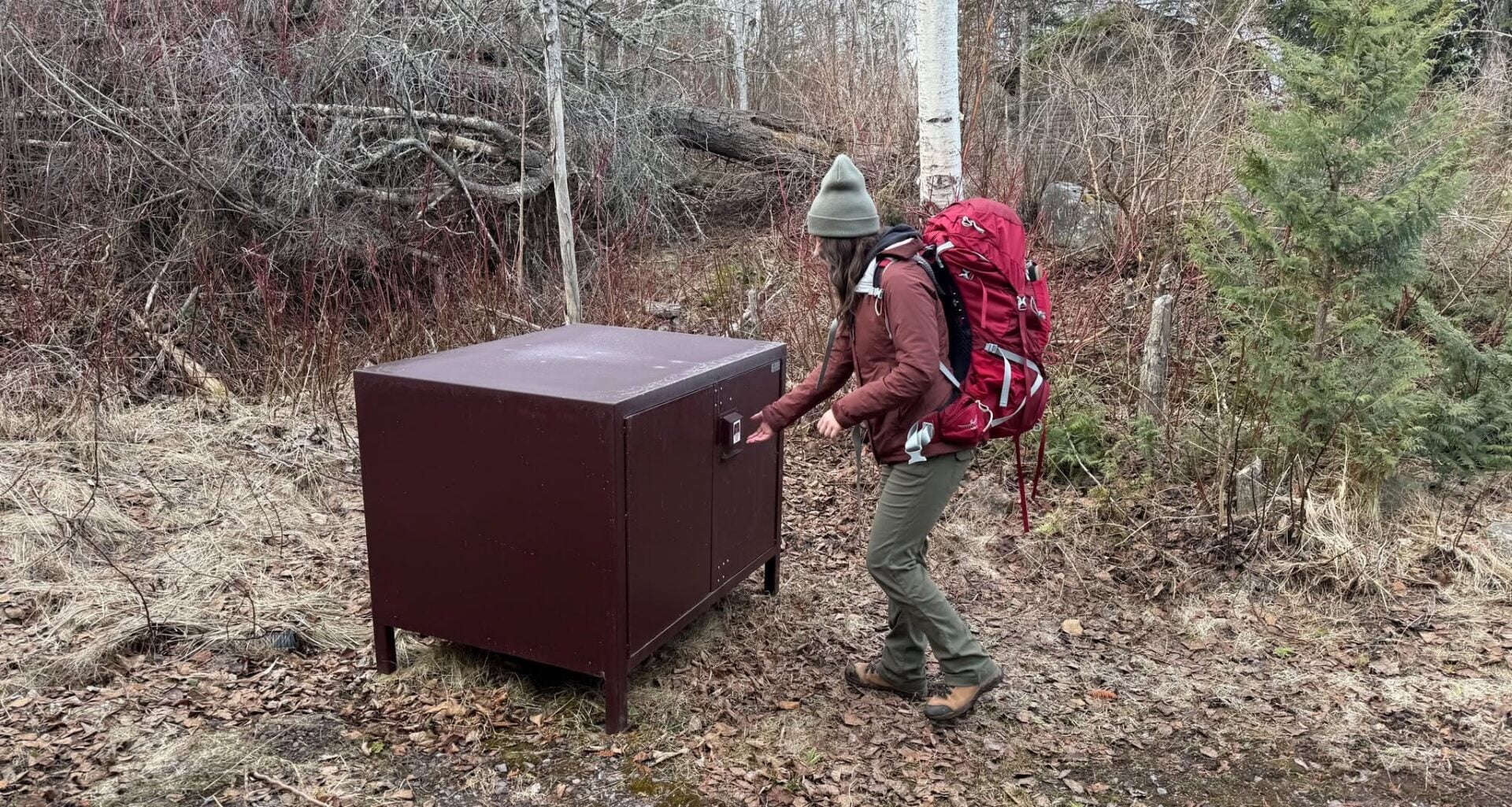
In the past month, the park installed a backpack storage cage at Three Mile campground and required visitors to store all packs in the cages at Three Mile and Rock Harbor campgrounds. At all campgrounds in the park, food, trash, and scented items must be stored in food storage lockers or in animal-resistant, hard-sided containers.
Isle Royale Wolf Population
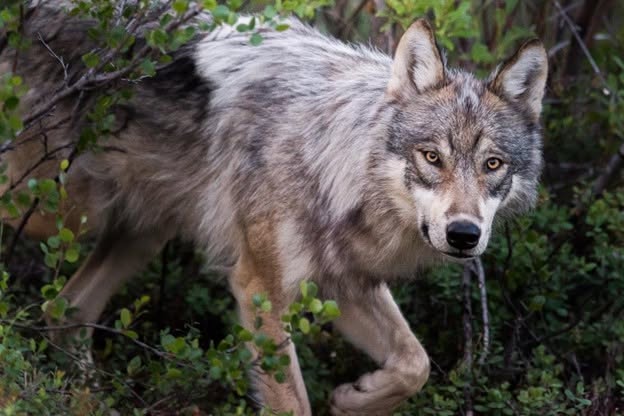
It is largely accepted that wolves arrived on Isle Royale by crossing an ice bridge that formed between the island and the Canadian mainland during the winter of 1948. Since this initial population of island wolves, the population has varied from 50 animals in 1980 to a low of two animals between 2016 and 2018. Wolf population variation is driven by the availability of its primary food source of older moose and calves, and the spread of canine diseases to the island. Furthermore, genetic inbreeding has led to physical deformities and has, at times, resulted in low productivity and survival.
Safety In A Wolf Sanctuary
Wolves are usually wary of people and will leave an area when they hear or smell humans. Help keep yourself and Isle Royale wolves safe by following these guidelines:
- Do not provide food directly or indirectly. Stow your food properly to limit the smell and do not leave food or garbage in campsites or picnic areas. Dispose of fish remains in water that is at least 50 feet deep or at least 200 feet from campgrounds, water sources, and trails.
- If you meet a wolf at close range (less than 25 feet) and it does not leave or is advancing, do what you can to terminate the encounter. Back away or make noise, but do not run away. If you observe them at more than 25 feet, leave the area but do not run.
- If a wolf appears to show unusual behavior, such as lack of fear of humans, please report your sighting to park staff.
- If you come upon a dead moose, keep moving away from the carcass. Wolves may be present and will be more aggressive to protect the food source. Let park staff know the location of the carcass.
- No pets are allowed on the island. Wolves are territorial and will view a domestic canine as a threat. Domestic dogs can also spread canine diseases like parvovirus and distemper, which are deadly to wolves.