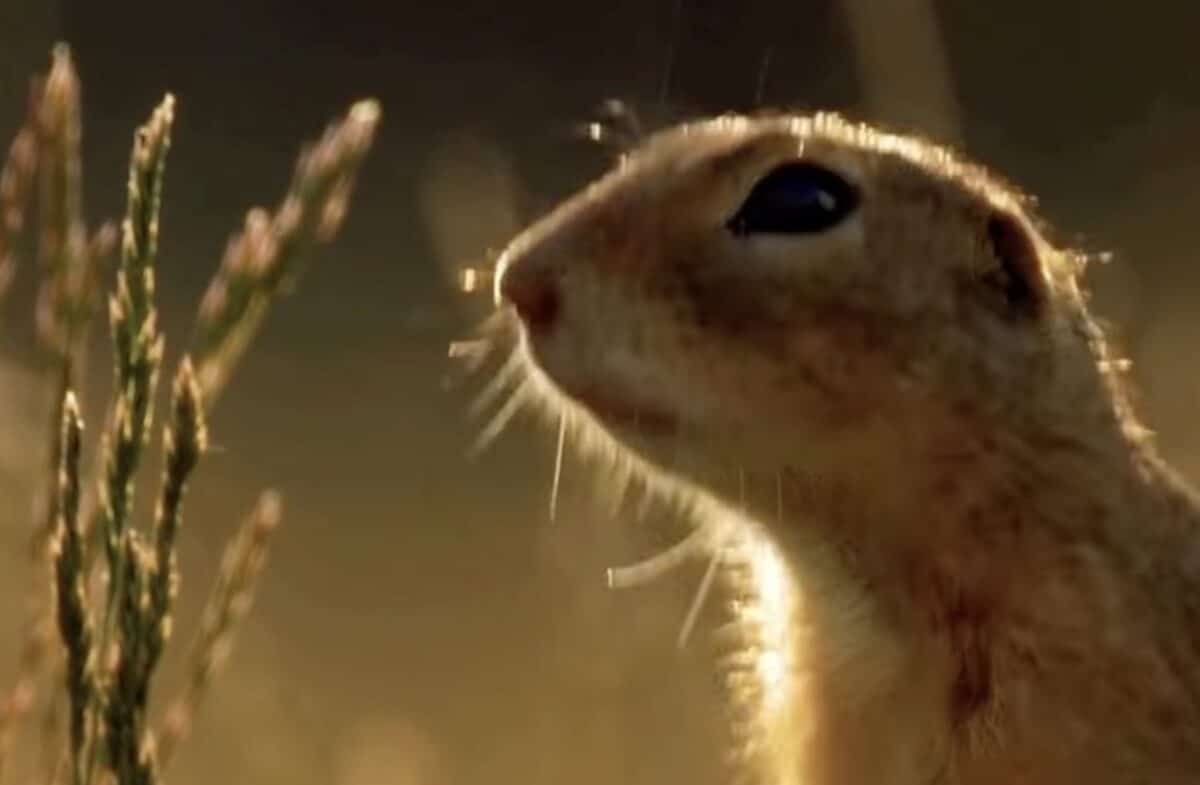
When summer heat settles across Montana and rainfall becomes scarce, some animals have an unusual strategy for surviving the harshest conditions: they simply wait it out. This survival tactic, known as aestivation, is a period of dormancy that helps animals conserve energy and water during hot, dry weather. Much like hibernation helps animals survive winter, aestivation allows certain species to escape the dangers of summer heat and drought.
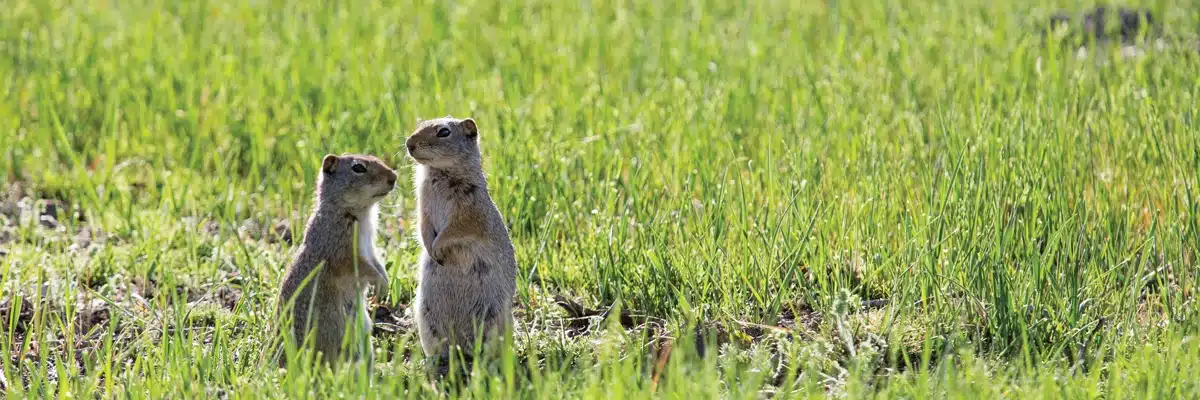
One of Montana’s best examples is the Uinta ground squirrel, a familiar sight in Yellowstone National Park and mountain meadows across the region. These squirrels emerge from their winter hibernation in spring, taking advantage of the growing season to feed, mate and raise young. But as summer progresses, they retreat underground and enter aestivation. Uinta ground squirrels may begin aestivating as early as July, depending on conditions, and can remain underground until they transition into their winter hibernation.
For an animal living in Montana’s grasslands and high-elevation meadows, disappearing underground has major advantages. Burrows provide protection from intense sunlight and high temperatures while reducing the need to spend energy searching for food and water during difficult conditions.
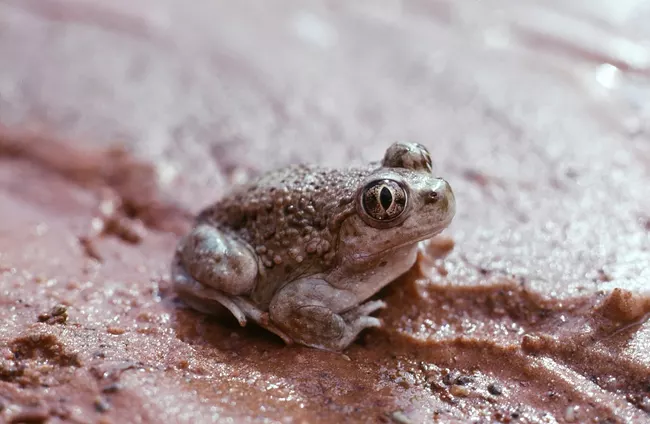
Amphibians face an even greater challenge during drought because they can lose water through their skin. The Great Basin spadefoot toad is remarkably adapted to this problem. These toads use specialized, hardened structures on their hind feet to dig into loose soil, retreating underground when conditions become too hot or dry. As the surface dries, they may burrow deeper into the soil, where conditions are cooler and more humid. Great Basin spadefoots can extend their dormancy during drought and may remain inactive for exceptionally long periods while waiting for suitable moisture to return.
Aestivation is a remarkable reminder that survival in Montana does not always mean enduring the elements head on. Sometimes, the smartest strategy is to retreat below the surface, slow everything down and wait for better days. When summer rains finally return, these animals can emerge and take advantage of the brief window when Montana once again provides the food, water and cooler conditions they need to thrive.