

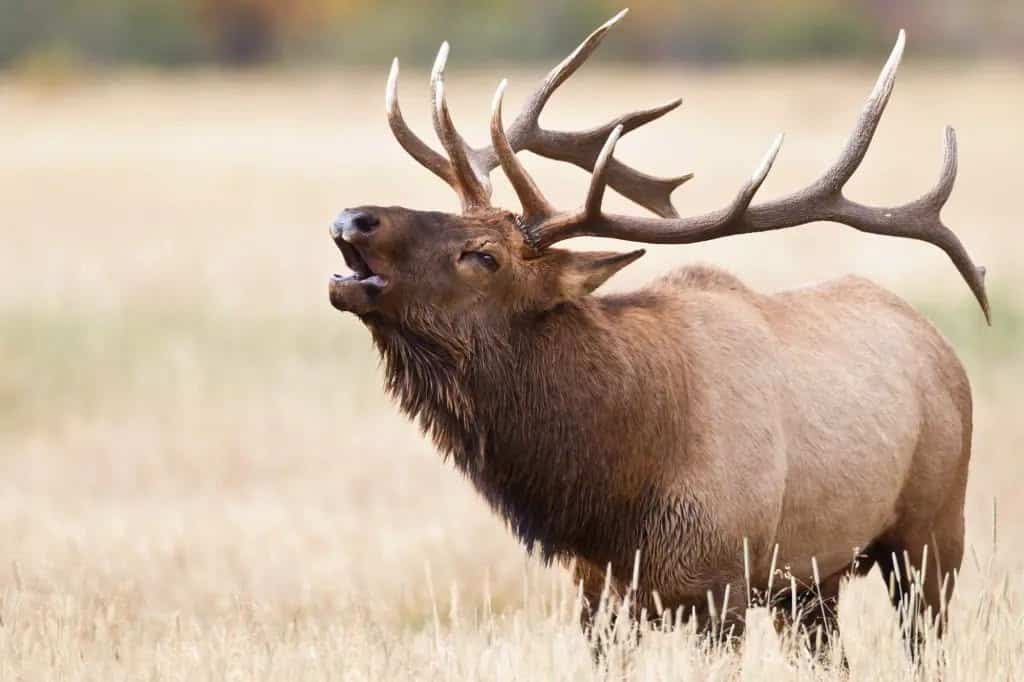
This year marks the 25th anniversary of the return of elk to Great Smoky Mountains National Park, a remarkable conservation success story that has brought one of North America’s largest land mammals back to the southern Appalachians.
“Let’s bugle for joy! This year marks 25 years since elk were reintroduced to Great Smoky Mountains National Park.”
Today, elk are the largest animals in the park and a favorite among visitors, but their return was far from guaranteed. Elk were once widespread throughout the southern Appalachian Mountains and much of the eastern United States. Over-hunting and habitat loss caused their numbers to plummet, and the species eventually disappeared from the region. The last elk in North Carolina is believed to have been killed by the late 1700s, while Tennessee’s last known elk was reportedly killed in the mid-1800s.
By the early 1900s, elk populations across North America had reached dangerously low levels, raising concerns among hunters, conservationists and wildlife managers about the animal’s future. Restoring native wildlife to its historic range became an important conservation goal, including for the National Park Service, whose mission includes protecting native plants and animals within the lands it manages.
That effort came to the Smokies in 2001, when 25 elk were transported from Land Between the Lakes National Recreation Area along the Tennessee-Kentucky border and released into Cataloochee Valley in North Carolina. The historic reintroduction marked the beginning of a new chapter for elk in the Smokies.
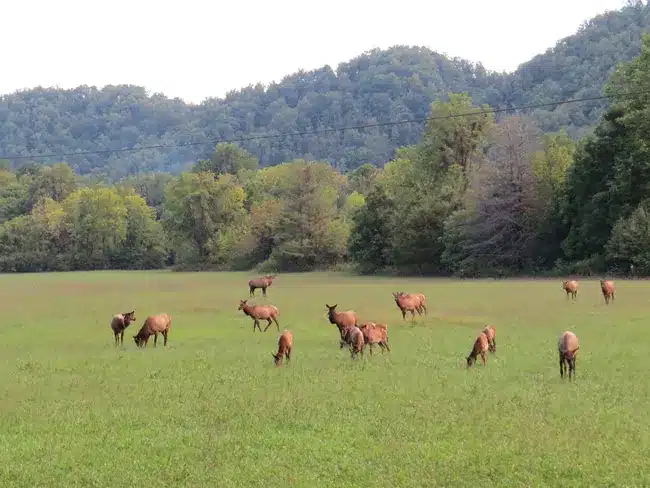
A quarter-century later, elk once again roam the North Carolina side of Great Smoky Mountains National Park with their population growing to approximately 270 animals. Their presence is a powerful reminder of what conservation can accomplish, transforming a species that had vanished from the region into one of the park’s most celebrated wildlife success stories.
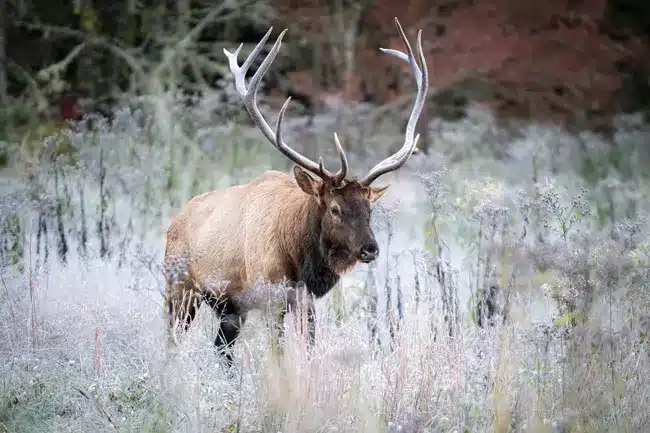
Willfully approaching within 25 yards (75 feet), or any distance that disturbs or displaces elk, is illegal in Great Smoky Mountains National. Violation of this federal regulation can result in fines and arrest.
- If you approach an animal so closely that it stops feeding, changes direction of travel, or otherwise alters its behavior, you are too close.
- Do not enter fields to view elk—remain by the roadside and consider using binoculars, telephoto lens, or a spotting scope to view the animals.
- The following are prohibited within the national park: the use of spotlights and wildlife calls, removal of elk antlers or other elk body parts, feeding wildlife.
Disturbing wildlife may lead to their death. Learn how you can protect park wildlife.
