

A section of the Yellowstone Caldera’s northern rim experienced another period of ground uplift before the movement suddenly stopped in early 2026, according to Yellowstone Volcano Observatory Scientist-in-Charge Mike Poland. In a recent USGS video update, Poland explained the return of the Norris uplift anomaly, an area located south of Norris Geyser Basin near Gibbon Falls. The region has been known to rise and fall over time as scientists monitor changes beneath Yellowstone National Park.
The latest uplift episode began in June or July 2025 and continued for several months before ending in January 2026. Poland said monitoring equipment showed the ground rose by about one to two inches before the uplift stopped almost as quickly as it began.
Scientists Track Movement Along The Caldera Rim
The Norris uplift anomaly has been observed before, including a much larger period of uplift from the mid 1990s into the early 2000s. Similar ground movement has also been detected during later periods, showing that Yellowstone’s landscape is constantly changing.
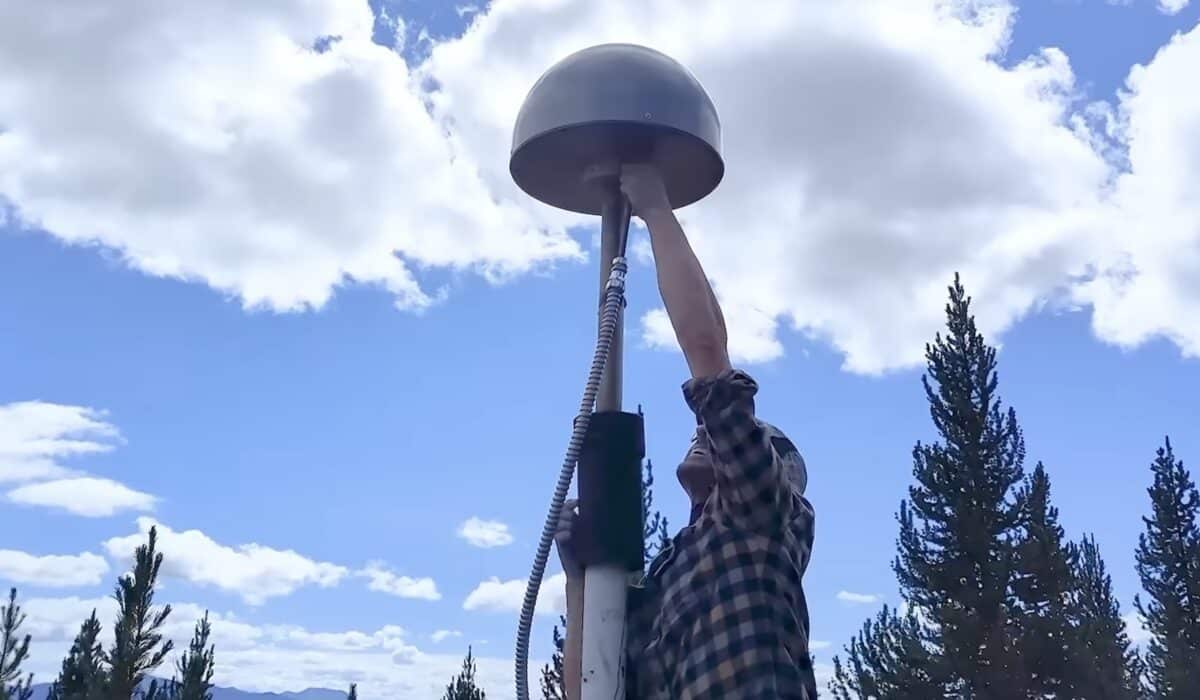
Poland explained that scientists identified the recent uplift using multiple monitoring methods. Satellite radar imagery showed changes in the ground surface, while permanent GPS stations across Yellowstone tracked movement in real time. Seasonal GPS stations installed during summer field operations also helped confirm that the area was rising.
Researchers believe the movement is most likely connected to processes occurring deep underground. Poland said the uplift is probably related to magmatic activity roughly 10 miles beneath the surface.
Ground Uplift Does Not Mean Yellowstone Is Preparing To Erupt
Despite the attention that Yellowstone ground deformation often receives, Poland emphasized that the Norris uplift anomaly is not a sign that an eruption is approaching. Instead, the movement represents the dynamic nature of Yellowstone’s underground system. Scientists say these types of changes provide important information about how the caldera behaves and help researchers better understand the volcanic system beneath the park.
The Norris uplift anomaly is one of many reasons Yellowstone is monitored continuously by the Yellowstone Volcano Observatory. Scientists use GPS measurements, satellite observations, earthquake monitoring, and other tools to identify changes that could provide insight into the region’s geology.
For now, Poland said the latest uplift episode appears to have ended, offering another example of how Yellowstone’s landscape can shift over time without signaling an increased eruption threat.