

As summer begins to wind down, many outdoor enthusiasts start asking the same question: What kind of fall are we headed for?
While modern meteorologists rely on satellites, weather models, and climate data, people have spent centuries looking to nature for clues about the changing seasons. Long before weather apps existed, farmers, hunters, and homesteaders watched birds, trees, insects, and even the night sky for hints about what was coming next.
According to the Farmers’ Almanac, there are several traditional signs that may point toward an early, colder-than-normal, or harsher fall. While these observations are rooted in folklore rather than modern forecasting, they’re still fun to watch for—and many people continue the tradition today.
Related: Here’s What NOAA’s New Fall Seasonal Forecast Could Mean for the Early Ski Season
10 Signs Of A Harsh And Cold Fall Ahead
1. Squirrels Gathering Nuts Earlier Than Usual
If squirrels seem unusually busy collecting and burying acorns well before autumn officially arrives, folklore says they’re preparing for a long, cold season with food becoming harder to find.
2. Woolly Bear Caterpillars Wearing More Black
One of the most famous pieces of weather folklore claims the wider the black bands on a woolly bear caterpillar, the harsher the upcoming cold season may be. While science hasn’t confirmed the connection, it’s one of North America’s best-known seasonal traditions.
3. Trees Dropping Leaves Early
If healthy trees begin shedding their leaves noticeably earlier than expected, some believe Mother Nature is signaling that cooler weather is on the way sooner rather than later.
4. Thick Corn Husks and Onion Skins
Farmers have long believed that unusually thick onion skins or extra-heavy corn husks are nature’s way of preparing crops for colder temperatures ahead.
5. Birds Beginning Their Migration Ahead of Schedule
When geese, swallows, and other migratory birds start heading south earlier than normal, traditional weather lore suggests they’re sensing changing atmospheric conditions before humans can detect them.
6. Spider Webs Becoming Larger and More Numerous
Large, dense spider webs appearing during late summer have long been viewed as a sign of changing weather. Some folklore says spiders reinforce their webs before colder conditions arrive.
7. Increased Acorn Production
A bumper crop of acorns has often been interpreted as nature providing extra food for wildlife before a difficult autumn and winter. Scientists generally attribute “mast years” to natural tree cycles, but the belief remains widespread.
8. Heavy Morning Fog
Persistent morning fogs during late summer and early fall have been connected with changing seasonal patterns for generations. One well-known Farmers’ Almanac saying even claims each August fog represents a future snowfall during winter.
9. Bees and Wasps Nesting in Sheltered Locations
Some naturalists believe insects choosing more protected nesting sites may indicate they instinctively expect cooler, stormier weather later in the year.
10. Brilliant Autumn Color Arriving Early
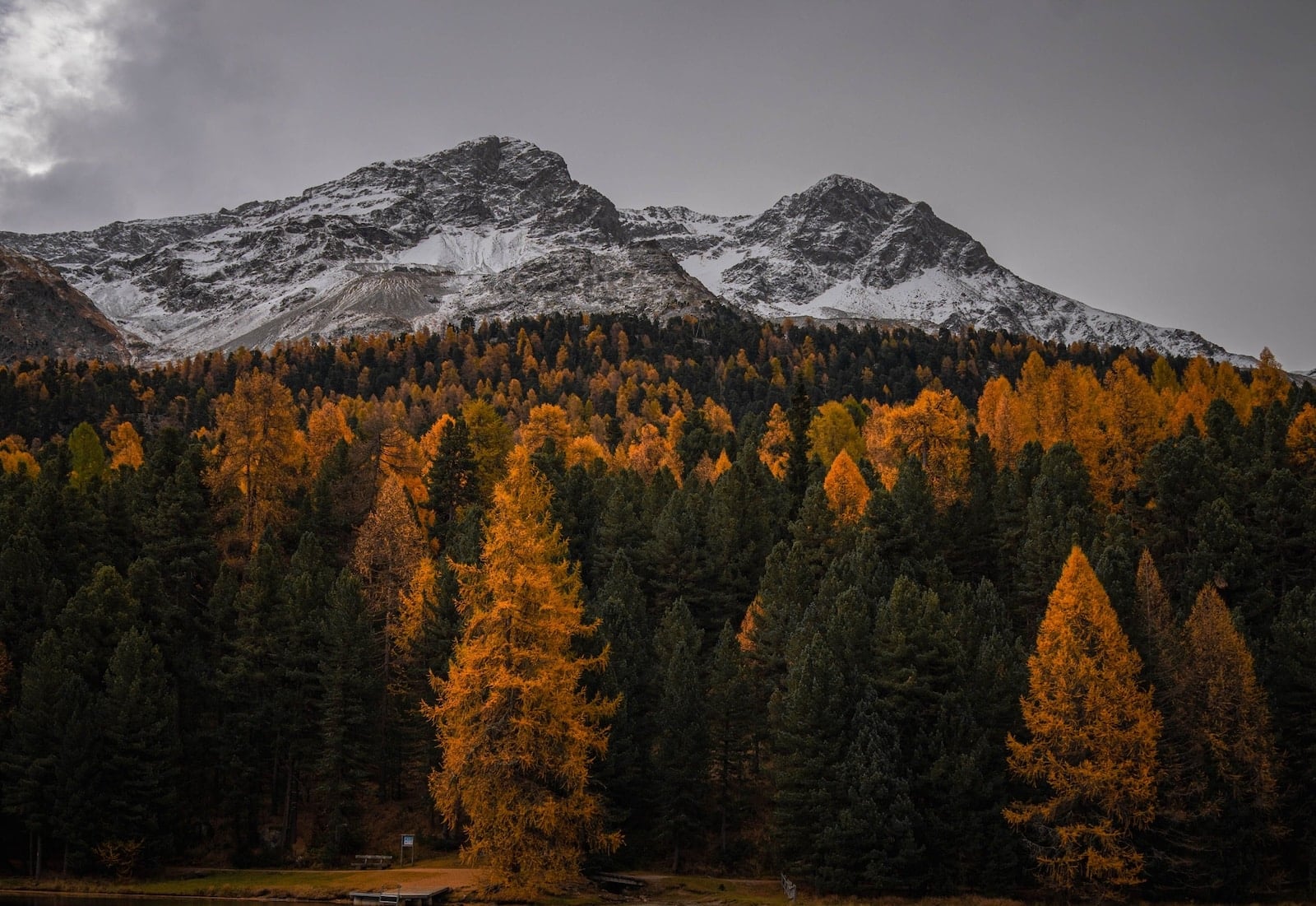
When forests begin showing vibrant reds, oranges, and yellows weeks ahead of schedule, many weather watchers see it as another traditional clue that fall—and colder temperatures—are arriving early.
Read More
- Farmers’ Almanac: 10 Signs From Nature of a Harsh and Cold Fall Ahead
https://www.farmersalmanac.com/10-signs-from-nature-of-a-harsh-and-cold-fall-ahead - NOAA Climate Prediction Center Seasonal Outlooks
https://www.cpc.ncep.noaa.gov/