
Colorado Parks and Wildlife is urging anglers to change the way they fish this summer as dangerously warm water and historically low river flows continue to threaten trout and other cold water species across western Colorado.
Beginning Friday, July 17th, the agency has implemented voluntary fishing closures on sections of the Colorado, Eagle, Crystal, and Roaring Fork rivers. While the closures are voluntary for now, officials warned that mandatory restrictions could follow if conditions continue to worsen.
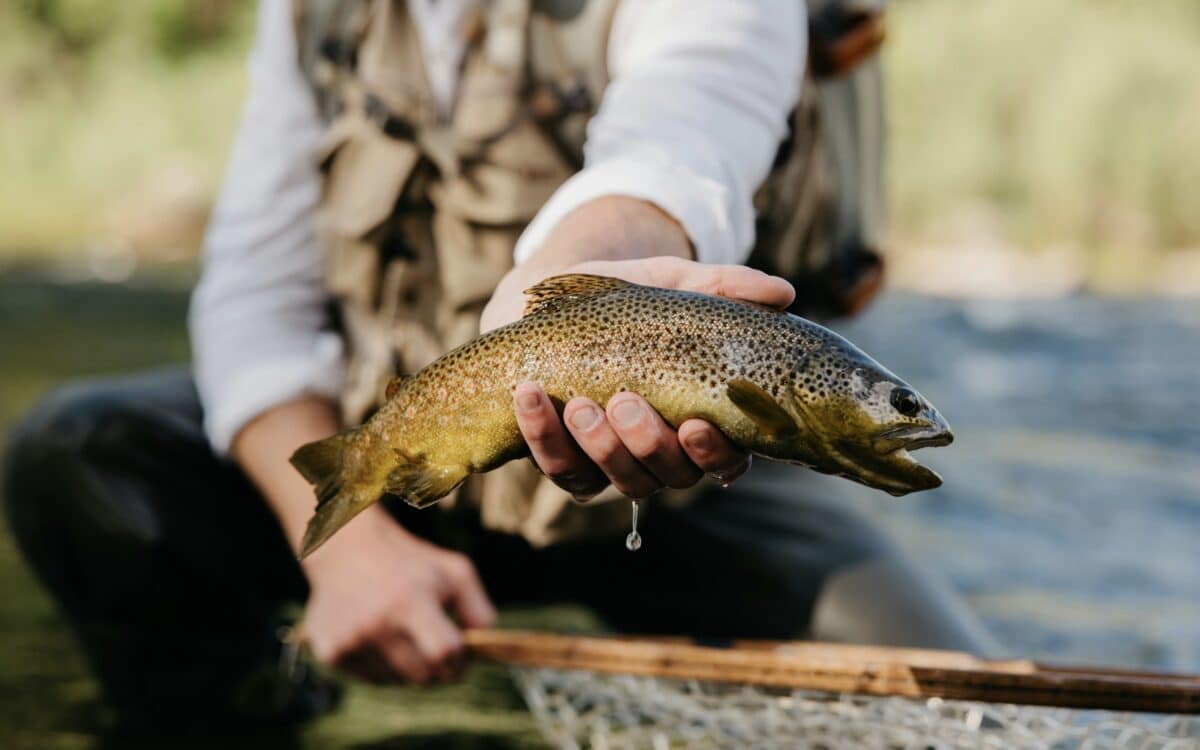
Along with asking anglers to avoid fishing during the hottest parts of the day, Colorado Parks and Wildlife is encouraging angles to change up how they treat fish, including stopping taking fish out of the water for photos.
CPW says fish photos can increase stress during extreme conditions

Catch and release fishing is generally considered a conservation minded practice, but it becomes much more dangerous for fish when water temperatures climb above 71 degrees.
According to Colorado Parks and Wildlife, fish have a much harder time recovering after being caught in warm water. Every additional second spent out of the river increases stress on fish that are already struggling to survive.
That is why CPW is specifically asking anglers to avoid removing fish from the water for photographs. Instead, fish should remain submerged while hooks are removed before being released.
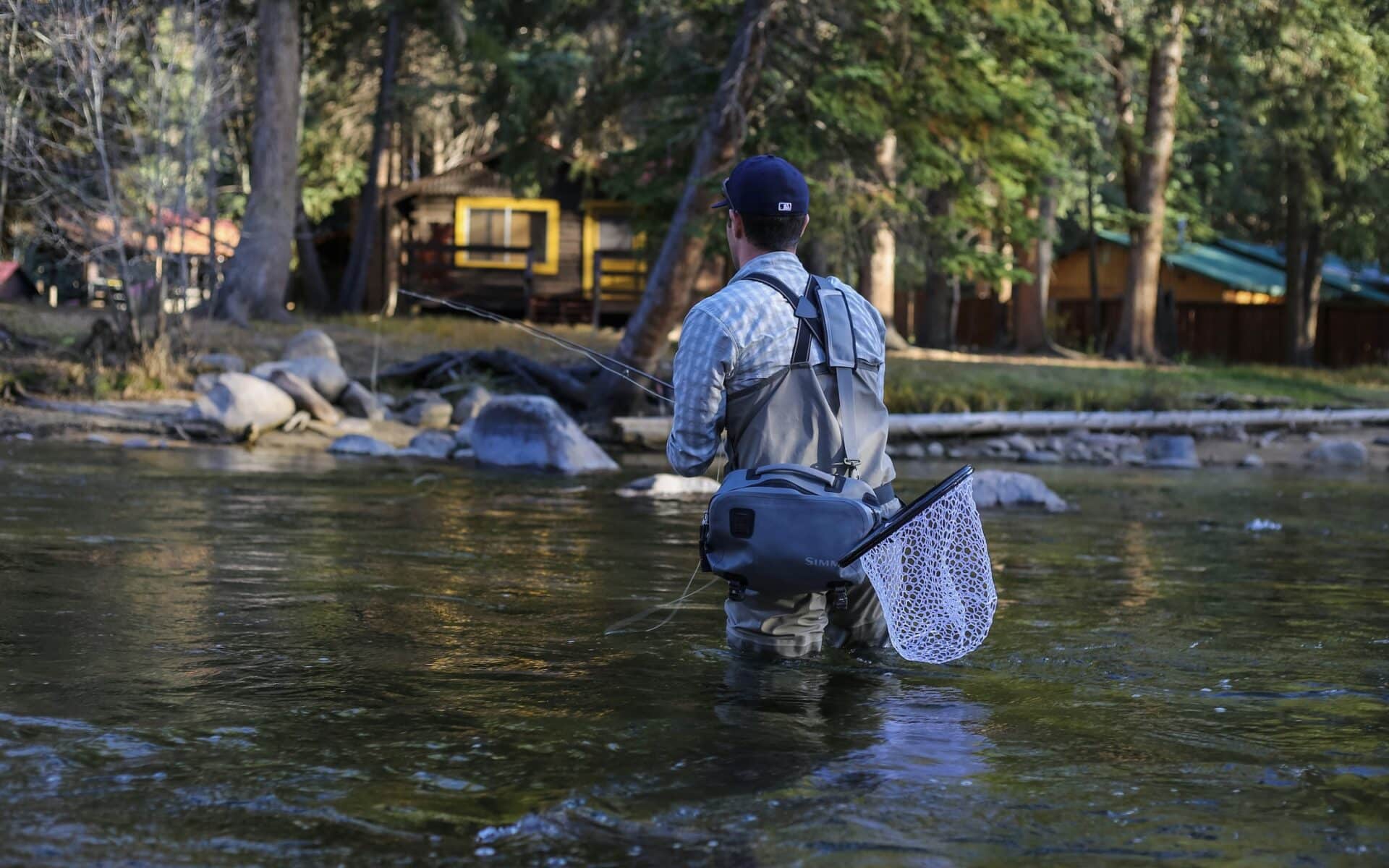
The agency also recommends wetting your hands before handling fish, using heavier tackle to shorten the fight, avoiding crowded fishing areas, and moving to cooler high elevation waters once river temperatures approach 71 degrees.
Four Colorado rivers now under voluntary closures
The new recommendations affect several popular fishing destinations across western Colorado.
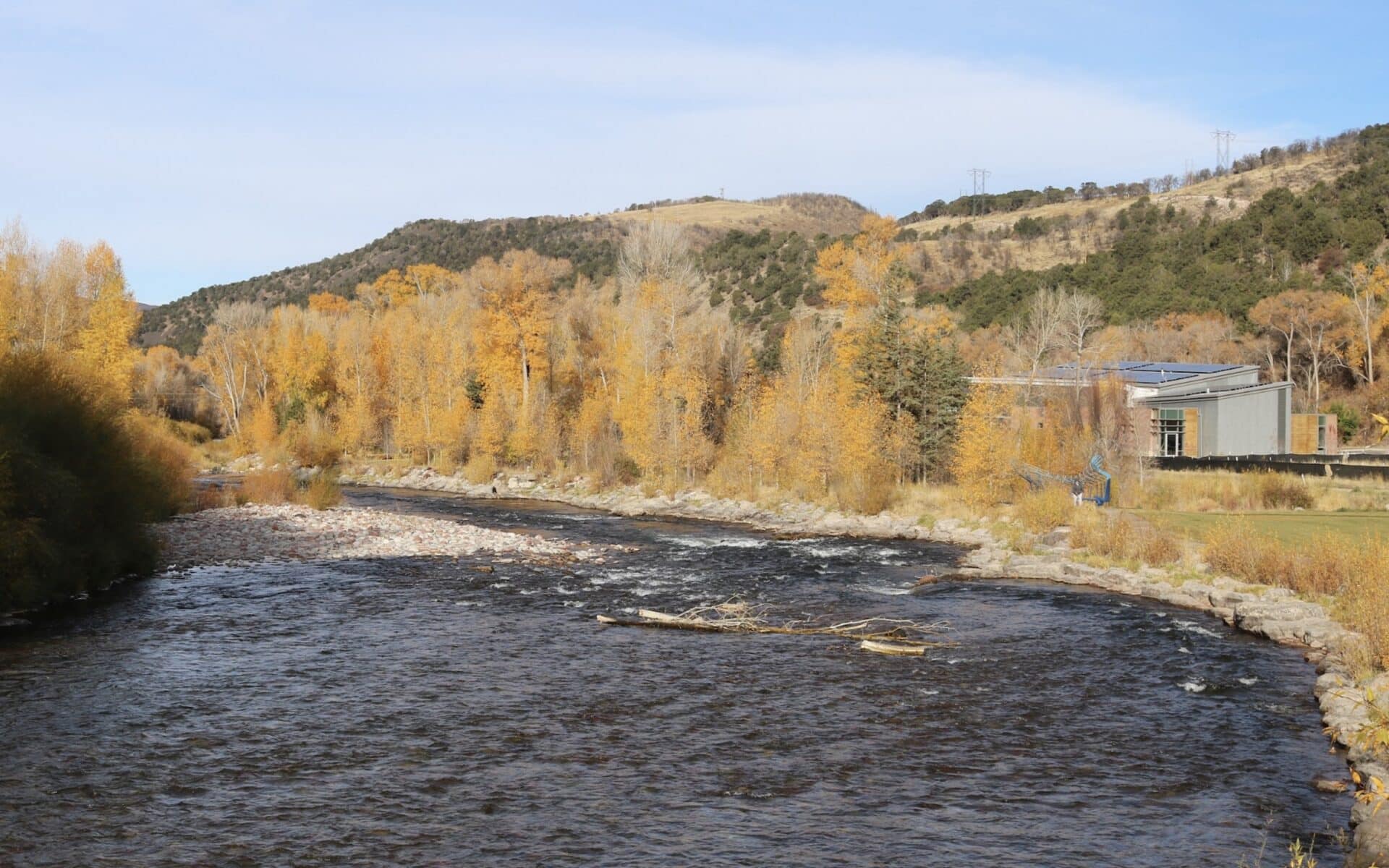
A full day voluntary closure is in place on the Colorado River from Red Dirt Creek downstream to the Highway 13 bridge in Rifle. Officials say water temperatures are consistently above 71 degrees while river flows remain critically low.
The Eagle River is also under a full day voluntary closure from Lake Creek in Edwards downstream to its confluence with the Colorado River. Recent temperatures have reached 77 degrees near Gypsum and 74.5 degrees near Wolcott.
On the Crystal River, the voluntary closure extends from mile marker 64 on Highway 133 downstream to the Roaring Fork River. Flows have dropped to less than 10 percent of the historical average for this time of year and are expected to decline even further.
The Roaring Fork River has a daily afternoon voluntary closure from noon until midnight between the Highway 133 bridge in Carbondale and its confluence with the Colorado River. Officials said this lower reach experiences the highest afternoon temperatures and the greatest fishing pressure while cooler upstream sections still provide overnight refuge for fish.
Heat and drought continue to threaten Colorado fisheries
Colorado Parks and Wildlife said severe drought has pushed stream flows below 50 percent of the long term average across several river systems. At the same time daily peak water temperatures continue to exceed thresholds known to cause serious stress for trout.
The agency considers several factors when deciding whether fishing closures are necessary. Those include water temperatures above 71 degrees, stream flows at or below half of normal, declining fish health, and dangerously low dissolved oxygen levels.
Officials will continue monitoring river conditions in the weeks ahead and encouraged anglers to respect the voluntary closures even though they are not currently mandatory.
For anglers who still want to get on the water, CPW recommends fishing early in the morning, checking river temperatures before casting, and seeking out cooler alpine lakes or higher elevation streams where fish have a better chance of surviving catch and release encounters. Most importantly, this is one summer when the hero shot with a trophy trout is not worth the added risk to Colorado’s already stressed fisheries.